

The world of road building is changing incredibly fast. Heavy commercial trucks constantly destroy weak, outdated roads. Potholes cost municipalities massive amounts of money and cause dangerous accidents every single day. We urgently need a better, smarter way to pave our streets. By upgrading to advanced, engineered materials, we can easily build roads that last decades instead of just a few short years. This comprehensive article explores the fascinating science and massive financial savings behind these super-strong pavements. Reading this guide will give you the hard facts you need to make much smarter purchasing decisions for your next major paving project.
What makes highly modified asphalt different from conventional mixtures?
Standard roads rely on a very basic type of glue. We call this traditional material conventional asphalt. It works perfectly fine for quiet residential streets or areas with very light traffic. However, it fails miserably when heavy, fully loaded tractor-trailers drive on it all day long. The sheer weight simply crushes the weak rocks and tears the glue apart. That is exactly why brilliant engineers created a totally new formula for busy highways. They purposefully added a special plastic-like material to the hot mix.
This advanced new recipe is highly modified asphalt. It completely transforms the basic chemistry of the road. It utilizes a very high polymer content to bind the crushed rocks together tightly. Think of it like adding millions of tiny, strong rubber bands to the road surface. This incredible upgrade completely changes the overall performance profile. It is vastly stronger and far more elastic than conventional mixtures. For any massive, heavy-duty application, this is absolutely the best choice available today.
Sourcing high-quality raw materials is the first step to success. For instance, using premium Modified asphalt guarantees that the final placed product will survive the harshest winters and the hottest summers without failing.
How does a polymer-modified binder improve pavement life?
Every single road needs a strong, reliable glue to survive. The asphalt binder holds all the small stones and sand together in a tight, solid mat. If the binder is weak or brittle, the stones quickly fall apart under pressure. A polymer-modified binder stretches and bends without ever breaking. It acts exactly like a giant shock absorber for the street.
When heavy commercial trucks drive forcefully over the pavement, the road actually bends down a little bit. A normal, cheap road might snap and break instantly. But this special, elastic road bounces right back to its original, flat shape the moment the truck passes. This amazing flexibility drastically extends the overall service life of the road.
Because the road lasts so much longer, local towns and cities spend far less money on ongoing maintenance and rehabilitation. It is a very smart, calculated financial investment for any growing city.
What were the test results at the national center for asphalt technology?
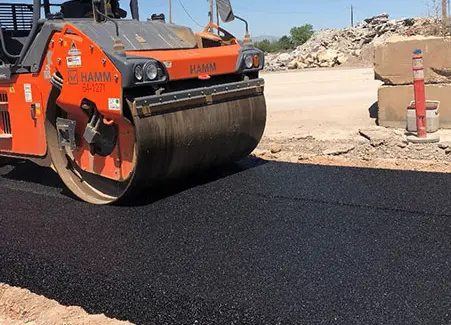
We do not just randomly guess that these new roads are better. We test them ruthlessly. The national center for asphalt technology is widely considered the best road testing facility in the entire country. It is conveniently located in auburn. The dedicated scientists there built a massive, continuous test track to carefully study how heavy traffic causes road damage over time.
They aggressively drove impossibly heavy trucks around the ncat test track for several years straight. They wanted to see exactly when and how the materials would finally break. They scientifically compared a standard control section to an advanced hp section side-by-side.
The final results shocked everyone in the industry. The normal road broke down fast, forming deep ruts and ugly holes. Meanwhile, the specialized hp section stayed perfectly smooth and completely flat. The ncat scientists were deeply impressed by the incredible durability shown during the grueling test.
Why are layer coefficients for hp mixtures so important to an agency?
Building brand new roads is an incredibly expensive process. Every department of transportation in the country desperately wants to save taxpayer money. Engineers use a specific math number to officially decide exactly how thick a new road must be to survive. For a normal, basic road, a standard coefficient of 0.44 is common. But a super-strong, polymer-rich road earns a significantly higher number.
A higher number simply means you can safely build a much thinner road that is just as strong as a thick one. The recommended structural layer value changed dramatically after the recent track tests. The official layer coefficients for hp mixtures proved to be absolutely amazing. After reviewing the data, a confirmed structural layer coefficient of 0.54 is recommended by top engineers. In some extreme, highly controlled tests, incredible values between 0.75 and 0.92 have been safely recorded!
Every single state agency uses these crucial numbers to plan their budgets. By fully understanding the coefficient of hp mixtures, a smart dot can design thinner, cheaper, and vastly stronger roads. The updated structural layer coefficient for hp easily saves municipalities millions of dollars in material and trucking costs.
Can an hp mixture really prevent a rut and crack under a heavy load?
Yes, it absolutely can. A rut is a dangerous, deep groove that forms in the road over time. It happens when heavy tires constantly push the hot pavement down into the dirt. A crack happens when the road suddenly snaps from freezing cold temperatures or too much bending weight. An advanced hp mixture aggressively fights both of these severe problems simultaneously.
It offers absolutely incredible resistance to cracking and rutting. When a massive delivery truck puts a huge load on the street, the elastic road physically pushes back against the tire. The strong rubber network in the mix provides unmatched resistance to rutting. It keeps the driving lane perfectly flat and safe.
Furthermore, the stretchy glue safely stops the surface from snapping and breaking into an ugly crack during the freezing winter. It is simply amazing how well it works.
How do engineers measure the structural number and modulus in the field?
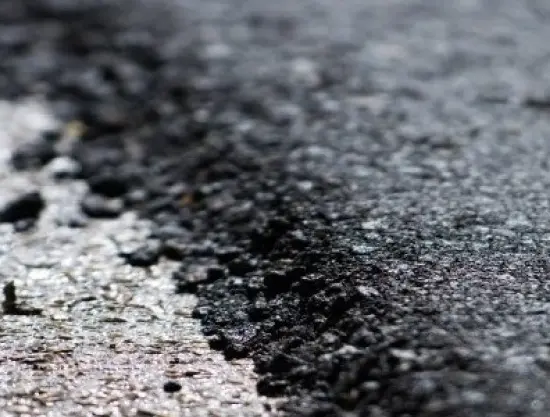
You cannot properly manage what you do not accurately measure. Engineers must rigorously test the road immediately after they build it. They carefully calculate the structural number to confidently see exactly how strong the entire road structure is. They also directly measure the modulus of the buried layers to see how stiff and supportive they truly are.
To do this quickly, they use a heavy machine called a falling weight deflectometer. Most road builders simply call it an fwd. This clever machine drops a heavy, calibrated weight directly onto the road and uses lasers to measure exactly how much the road bends. Using an fwd is incredibly fast, very safe, and highly accurate.
They also bury tiny, sensitive electronic wires in the dirt before they pave. These hidden sensors provide real-time in-situ strain measurements while heavy trucks drive quickly over them. Back inside the quiet laboratory, scientists perform grueling bending beam fatigue tests to see exactly how many times a small road sample can bend before it finally breaks into pieces. Starting with a highly consistent National standard medium temperature asphalt base absolutely helps ensure these critical test numbers stay highly consistent from batch to batch.
What is HIMA and how does it change long-term maintenance?
HIMA actually stands for Highly Modified Asphalt. You will constantly hear hima discussed at major paving conferences around the world. It is widely considered the undisputed superhero of modern road building. Normal, cheap roads suffer from rapid, unstoppable deterioration. They constantly get massive potholes, and local towns must urgently fix them every single spring.
Using hima causes a massive, immediate reduction in annual fixing costs. You simply do not need to send out crews to patch the road every single year. Your heavy long-term maintenance budget drops significantly, freeing up cash for other important city projects.
Less frequent maintenance directly means far fewer annoying traffic jams caused by orange construction cones. It permanently slashes your overall maintenance costs and keeps daily commuters very happy.
How does styrene-butadiene-styrene create a rubber-like behavior?
The actual magic ingredient inside the glue is a highly specialized polymer. The absolute most common one used today is styrene-butadiene-styrene. Most busy plant operators just call it sbs to save time. When you safely melt sbs into boiling hot oil, something truly amazing happens at the microscopic level. It physically forms a stretchy, 3D net deep inside the dark liquid.
This invisible net gives the finished road a true, undeniable rubber-like behavior. The high polymer mix acts exactly like a giant, tough rubber band stretched across the dirt. In the heavy construction industry, engineers absolutely love using “hp binders because of this extreme, life-saving elasticity.
It stretches safely under a heavy truck tire and then snaps right back perfectly flat. To get the complex chemistry just right, advanced mixing plants sometimes carefully add premium Petroleum asphalt flakes to adjust the final thickness of the hot liquid.
Are there successful field trials using twice the polymer content used normally?
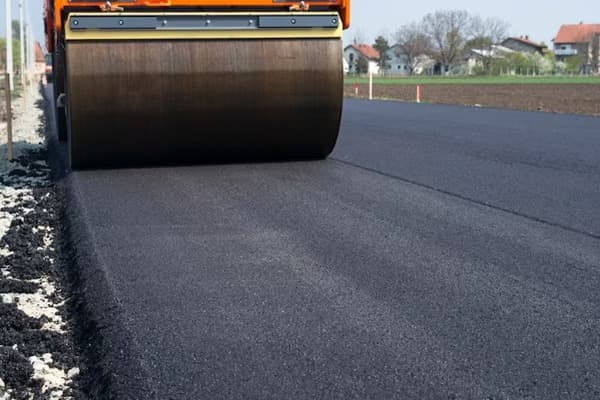
Lab tests inside a clean building are great, but the real world is messy and chaotic. That is exactly why live field trials are so incredibly important to road builders. Extreme weather states like utah and oklahoma actively built real, working highways to thoroughly test this new technology out in the wild. They boldly decided to construct these test roads using twice the polymer content used in normal, everyday projects.
The actual paving installation went perfectly smoothly. They even successfully used it as a super-thin overlay directly on top of old, heavily broken concrete roads.
The final performance data blew everyone away. The super-thin, rubbery layer completely stopped the deep old cracks from showing through to the new surface. The real-world results matched the quiet laboratory tests absolutely perfectly.
How does the use of hp impact sustainability and asphalt concrete durability?
We must actively protect our fragile planet. The widespread use of hp is a massive, incredibly positive step forward for global sustainability. Because the finished road is so amazingly durable, we simply do not have to mine new rocks or aggressively drill for new oil nearly as often. We expertly pave it once, and it stays strong for decades.
Even when a busy highway consistently sees a massive volume of heavy traffic, it survives without an issue. A standard, unmodified road would quickly crumble to dust under the exact same brutal pressure. The lasting durability of these modern mixes is truly incredible to witness.
It is a fantastic, green initiative for modern infrastructure building. The verified laboratory and field performance data clearly prove that it works exactly as promised.
The ultimate secret is the hidden performance characteristics locked deep within the asphalt matrix itself. The long-term benefits of hp are completely undeniable. It routinely scores incredibly high on stress tests, amazingly reaching 0.92 for hp mixtures in some extreme tests. Using premium, rock-solid materials like High temperature asphalt as a base absolutely ensures the new pavement easily survives the absolute hottest summer heatwaves without melting or rutting.
Material Comparison Overview
To help procurement managers visually understand the stark differences in material capabilities, review the simplified comparison table below:
| Performance Feature | Conventional Asphalt | Highly Modified Asphalt (HIMA) |
|---|---|---|
| Typical Polymer Content | Low (2% - 3%) | High (7% - 8%) |
| Resistance to Heavy Rutting | Average | Exceptional |
| Estimated Lifecycle Maintenance Costs | Very High | Very Low |
| Expected Structural Service Life | 10 - 15 Years | 20+ Years |
"Investing in high polymer asphalt is not just about building a temporary road; it is about building a permanent legacy that easily withstands the brutal test of time and traffic."
Summary and Key Takeaways
Understanding the complex science behind modern road building helps procurement managers save money and drastically improve infrastructure safety. Here are the most important facts to remember:
- Superior Chemistry: Highly modified materials use a massive amount of SBS polymer to create a flexible, rubber-like 3D network inside the binder.
- Massive Cost Savings: Because these roads are fundamentally stronger, agencies can safely build thinner roads, saving millions on raw rock and oil.
- Fights Damage: The extreme elasticity provides unmatched resistance to deep rutting from heavy trucks and stops winter thermal cracking dead in its tracks.
- Proven by Science: Rigorous testing by NCAT using FWD machines proves these roads last significantly longer than traditional methods.
- Eco-Friendly: Building a road that lasts 20 years instead of 10 heavily reduces the carbon footprint associated with constant repaving and mining.
Post time: 04-01-2026