

As a key supplier in the global asphalt industry, my name is Allen, and my company specializes in producing the high-quality raw materials that end up as smooth, durable roads and driveways. I've worked for years with business owners like Mark Thompson in the USA, who rely on sourcing the best materials to pave projects for their own clients. One question comes up more than any other: "What is the right temperature to lay the pavement?" The answer isn't just a number; it's the key to the success and longevity of any asphalt paving project. Understanding the science behind the temperature guidelines is crucial for anyone in this business. This guide will break down everything you need to know about the best time for asphalt installation, ensuring every project you undertake is built to last.
What's the Golden Rule for Asphalt Paving Temperature?
When it comes to laying asphalt, there's a widely accepted "golden rule" that every professional contractor lives by: the ambient temperature should be at least 50 degrees Fahrenheit (10°C) and rising. This isn't just a casual suggestion; it's a critical baseline for a successful asphalt installation. Why? Because this temperature provides a safe window for the hot material to be delivered, spread, and, most importantly, compacted before it cools down too much. When the temperature is within this ideal range, the paving crew has enough time to work the material and achieve the necessary density for a strong, long-lasting surface.
The ideal scenario for any paving job is a warm, dry, sunny day where the air temperature is 70 degrees Fahrenheit or higher. Under these conditions, the hot mix asphalt retains its workability for an extended period, allowing for meticulous application and compaction. The warmer the weather, the more forgiving the process is. A good asphalt contractor will always be monitoring the weather forecast and will prefer to pave during these optimal conditions to guarantee the best results for your new driveway or parking lot. Sticking to this temperature threshold is the first step in ensuring a high-quality pavement.
Why is Temperature the Most Critical Factor When You Lay Asphalt?
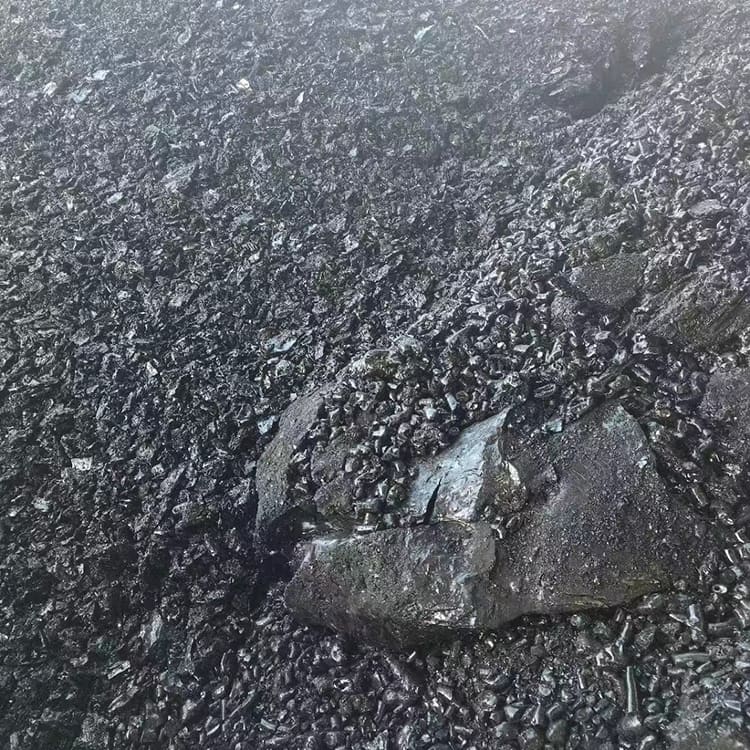
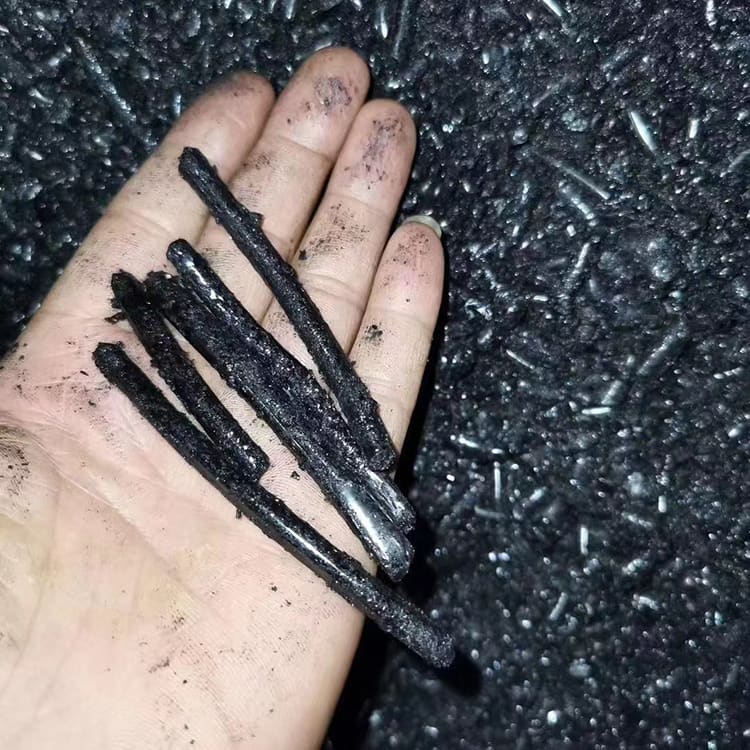
To understand the golden rule, you need to understand the material itself. Hot mix asphalt is a simple but powerful combination of stone aggregate and a petroleum-based binder (bitumen). My factories produce some of the core components for these binders, like High temperature asphalt, which must be manufactured under precise thermal conditions. To create the paving material, this mix is heated to an extremely high temperature, typically between 275 and 300 degrees Fahrenheit. This intense heat turns the binder into a liquid, allowing it to fully coat all the aggregate. This liquid state is what makes asphalt workable.
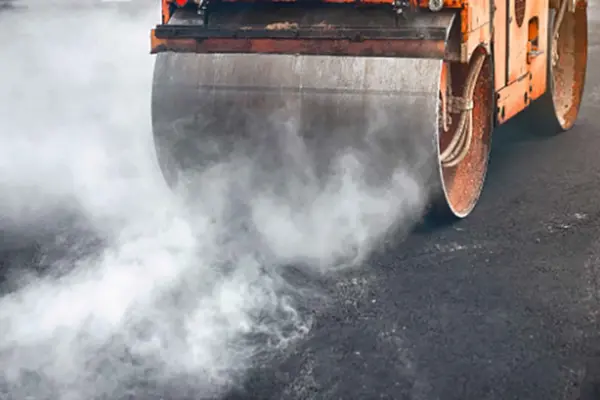
The entire success of an asphalt paving project hinges on a process called compaction. After the hot asphalt is spread, heavy rollers must pass over it to press out air pockets and force the aggregate particles tightly together. This process creates the dense, interlocking structure that gives the pavement its strength. However, this is a race against time. The asphalt must be compacted while it's still hot and pliable, ideally above a temperature of 185 degrees Fahrenheit. If the temperature of the mat drops below this point, the binder becomes too stiff, and no amount of rolling will achieve the proper density. This is why a warm ambient temperature is so vital—it slows down the cooling process, giving the crew the time they need to compact the pavement perfectly.
How Do Ambient and Ground Temperature Affect an Asphalt Lay?
While we often talk about the ambient temperature (the temperature of the air), the ground temperature is just as important, if not more so. Think of it this way: the hot asphalt loses its heat in two directions—up into the air and down into the ground it's being laid on. If you try to pave on a cold or freezing ground, it will act like a giant heat sink, pulling the warmth from the bottom of the asphalt mat at an accelerated rate. This can cause the bottom layer to cool and stiffen before it can be properly compacted, creating a weak foundation for your new pavement.
This is why the "50 degrees and rising" rule is so specific. A temperature of 50 degrees Fahrenheit in the morning after a cold night means the ground is still very cold. A professional contractor will wait until the afternoon, allowing the sun to warm both the air and the ground. A sunny 55-degree day provides a much better working window than a cloudy 60-degree day. Both the ground and ambient temperatures need to be above the 50-degree mark for an ideal lay. An experienced asphalt contractor will use a thermometer to check the ground surface before they even start to pave.
What is the Absolute Coldest Temperature Asphalt Can Be Laid?
While 50 degrees Fahrenheit is the standard, is it possible to lay asphalt in cold weather? The answer is a qualified yes, but it is extremely risky and requires exceptional circumstances and expertise. Some contractors may agree to pave in temperatures as low as 40 degrees, but only under specific conditions: it must be a bright, sunny day with no wind, the project must involve a thicker layer of asphalt (which retains heat longer), and the paving site must be very close to the asphalt plant to minimize heat loss during transport.
However, any temperature below this is asking for trouble. When the temperature falls into the 30s, the asphalt will cool so rapidly that achieving proper compaction is nearly impossible. The surface will form a crust almost immediately, trapping a poorly compacted and weak layer underneath. Pushing these limits often leads to premature failure of the pavement, including cracking and raveling. A reputable asphalt contractor will be honest about these risks and will likely advise postponing the project. They understand that their reputation is built on the durability of their work, and a temperature-related failure isn't worth the risk.
How Does the Pavement Thickness Impact the Paving Temperature?
The thickness of the asphalt layer you lay plays a significant role in how long the material retains its workable heat. This is a simple matter of thermal dynamics: a larger mass of hot material will cool down much more slowly than a smaller mass. A standard residential driveway might get a 2-inch layer of asphalt, while a commercial parking lot designed for heavy trucks might get a 4-inch layer or more.
This is why paving a thin overlay (a 1- to 1.5-inch layer on top of existing pavement) is especially sensitive to temperature. A thin layer will cool faster, giving the crew a much smaller window to achieve compaction. Therefore, thin overlays should only be installed in warmer weather, ideally when the ambient temperature is well above the 50-degree minimum. Conversely, if a project requires a thicker lift of 3 or more inches, it may be feasible to pave in slightly cooler conditions (though still respecting the minimums), because the mat will hold its temperature for longer. Your contractor should adjust their plans based on the specified thickness of the asphalt being installed.
What Are the Consequences of Paving in Cold Weather?
Let's imagine a scenario where a contractor ignores the guidelines and decides to pave a surface when the temperature is hovering around 40 degrees Fahrenheit. The hot asphalt is spread, but it begins to cool quickly. The rollers move in, but they are fighting a losing battle. The result is poor compaction, which leads to a host of problems that compromise the integrity and lifespan of the pavement.
Here are the specific failures you can expect from asphalt that is installed in cold temperatures:
- High Porosity: The uncompacted asphalt is filled with tiny air voids. This allows water to easily penetrate the surface.
- Water Damage: When that water freezes in the winter, it expands, breaking apart the bonds between the aggregate and causing the pavement to crumble.
- Raveling: The aggregate stones are not securely locked in place by the binder. Under the stress of traffic, they will start to pop out, leaving the surface rough and worn. This is known as "raveling."
- Cracking: The brittle, poorly compacted pavement is much more prone to all forms of cracking, from small surface cracks to large, structural ones.
- Shortened Lifespan: A properly installed asphalt surface can last 20 years or more. One laid in cold weather might need major repair or a complete replacement in as little as two or three years.
How Long Does Asphalt Need to Cure at Different Temperatures?
Once the asphalt is installed and compacted, the job isn't quite done. The asphalt needs time to cure and harden fully before it can withstand the stress of vehicle traffic. This curing process involves the slow evaporation of lighter oils from the binder, which allows the pavement to stiffen and gain its final strength. The time it takes for the asphalt to cure is also highly dependent on temperature.
In warmer weather, when the temperature is consistently above 70 degrees Fahrenheit, the asphalt will cure relatively quickly. You can typically walk on it within 24 hours and drive on it within 2 to 3 days. However, when the asphalt is laid in cooler temperature conditions, in the 50- to 60-degree range, the curing process slows down considerably. It may take 4 to 5 days, or even a full week, before the pavement is hard enough for vehicle traffic. Rushing this process can lead to tire scuffs, ruts, and depressions in your new surface. Always follow your contractor's advice on curing times, as they will base it on the specific weather conditions during the asphalt installation.
What is the Best Time of Year to Schedule an Asphalt Paving Job?
Given all the constraints related to temperature, it's clear that there is a definite "paving season." The best time of year to lay asphalt is during the warmer months when you have the highest probability of warm, dry, and sunny days. In most parts of North America and Europe, this season runs from late spring through summer and into the early fall.
- Spring and Summer: These are the ideal months for any asphalt paving project. The long, sunny days and warm ground temperature provide the perfect conditions for the material to be installed and to cure properly.
- Early Fall: Paving is still very feasible in early autumn, as long as you are watching the weather forecast closely for temperature drops and rainy days.
- Winter: In regions with freezing temperatures, hot mix asphalt paving shuts down completely. The plants that produce the asphalt mix close for the season, and any necessary repairs are done with cold patch materials.
Scheduling your project during the peak season ensures that your contractor can work in optimal conditions, leading to the highest quality and greatest durability for your new pavement.
Beyond Temperature: What Other Weather Should a Contractor Watch For?
While temperature is the primary concern, other weather conditions can make or break an asphalt project. A professional contractor will be watching the forecast for more than just the high for the day.
- Rain: You can never lay asphalt in the rain. Water prevents the hot material from bonding to the surface below and will cause the asphalt to cool catastrophically fast. Even paving on a damp or wet surface is a recipe for failure.
- Wind: A windy day can be just as bad as a cold day. The wind will strip the heat from the surface of the asphalt mat, causing it to crust over and preventing proper compaction.
- Temperature Fluctuations: A day that starts warm but is expecting a sudden temperature drop is not a good day to pave. A consistent temperature throughout the day is needed to ensure the consistency of the finished product.
How Can You Ensure Your Paving Contractor Respects Temperature Rules?
As a client, you can protect your investment by being an informed customer. When hiring an asphalt contractor, don't be afraid to ask them about their policies regarding temperature and weather. A reputable professional will be happy to explain their procedures.
Ask them directly: "What is your minimum ambient temperature to pave?" and "How do you check the ground temperature before starting?" Their answers will tell you a lot about their commitment to quality. Be wary of any contractor who seems willing to pave in questionable conditions or who dismisses the importance of the 50-degree rule. The best contractors would rather postpone a job and do it right than push the limits and deliver a subpar product. They understand that a high-quality pavement is their best advertisement, and they know that quality starts with respecting the fundamental role that temperature plays in every single lay.
Key Takeaways to Remember
- The 50°F (10°C) Rule: The golden rule is to only lay asphalt when the ambient temperature is at least 50 degrees Fahrenheit and rising.
- Heat is for Compaction: Asphalt must be kept hot (above 185°F) to be properly compacted. Compaction is what gives the pavement its strength and durability.
- Ground Temperature Matters: Never pave on cold or frozen ground, as it will cause the asphalt to cool too quickly from the bottom up.
- Season is Key: The best time for asphalt paving is during the warmer months of late spring, summer, and early fall.
- Ask Your Contractor: A professional contractor will have strict weather and temperature guidelines and should be transparent about them to ensure a quality, long-lasting result.
Post time: 10-10-2025