

As a factory owner, my name is Allen, and I've spent years in the world of industrial materials, specifically focusing on high-quality coal tar products and petroleum coke. I've had countless conversations with business owners and procurement officers like you, Mark, from all over the world—the USA, Europe, Australia. A recurring and critical topic is the application of the products we produce. You know how to secure a great deal, but ensuring that material translates into a durable, long-lasting project is where the technical details matter. One of the most crucial details for any asphalt project is temperature.
Getting the temperature right when you pave isn't just a minor detail; it's the cornerstone of a successful pavement that will withstand traffic and weather for years to come. This article is for you. It cuts through the jargon and provides a clear, straightforward guide to the temperature requirements for asphalt paving. We'll explore why it matters, what the ideal numbers are, and the risks of getting it wrong. Understanding this will not only help you oversee your projects with more confidence but also ensure that the high-quality asphalt you procure delivers the performance you paid for.
1. Why Is Temperature So Crucial for a Successful Asphalt Paving Project?
Think of hot mix asphalt as a type of glue. When it's produced at the plant, it's heated to a very high temperature, typically between 275 and 325 degrees Fahrenheit. This turns the asphalt binder (the black, sticky liquid) into a workable fluid that can thoroughly coat all the aggregate (the stones and sand). When this mixture is laid down by a paving machine, it's still hot and pliable. This pliability is essential for the next step: compaction.
The success of any paving project hinges on achieving proper compaction. This is the process of using heavy rollers to press the asphalt particles together, squeezing out air pockets and creating a dense, strong surface. Temperature is key to this process. The asphalt must be hot enough to remain workable during compaction. If the asphalt mix gets too cool before the rollers have finished their job, it will stiffen. The aggregate particles will lock into place, and no amount of rolling will be able to achieve the target density.
This leads to a weak pavement structure riddled with tiny air voids. These voids are invitations for future issues. Water can seep in, and when that water freezes, it expands, breaking the asphalt apart from the inside out. This is what leads to cracks and pothole formation. A poorly compacted asphalt surface will also be prone to "raveling," where the top layer of aggregate comes loose. In short, controlling the temperature during paving is the single most critical factor in creating a durable and long-lasting surface.
2. What Are the Minimum Temperature Requirements to Lay Asphalt?
When scheduling asphalt installations, contractors live by a simple rule of thumb: the "50-degree rule." This means that the ambient temperature (the air temperature) should be at least 50 degrees Fahrenheit and rising. This isn't just an arbitrary number; it's based on the physics of how asphalt cools. Paving on a 45-degree day might seem possible, but the asphalt will cool so rapidly that achieving proper compaction becomes nearly impossible.
These temperature requirements are not just for the air. The ground temperature is equally, if not more, important. The ground acts as a giant heat sink. If you pave hot asphalt onto a frozen or cold surface, the bottom layer of the mix will cool quickly, losing its workability almost instantly. This is why most professional specifications require the ground temperature to also be 50 degrees Fahrenheit or higher. Ignoring the ground temp is a common mistake that leads to pavement failure, even if the air temperature seems acceptable.
For the best results, the ideal temperature range for laying asphalt is between 70 and 90 degrees Fahrenheit. In this sweet spot, the asphalt mix cools at a predictable and manageable rate, giving the paving crew ample time to lay it down smoothly and for the rollers to achieve optimal density. When you schedule asphalt work, always confirm with your contractor that they are following these minimum temperature guidelines for both the air and the ground. It's a non-negotiable part of a proper asphalt installation.
3. How Cold Is Too Cold for Asphalt Paving?
So, we know 50°F is the general minimum. But what does that really mean? How cold is too cold for asphalt? The answer is that any temperature below 50°F is a significant risk. When the temperature drops below this point, the window of time a crew has to work with the asphalt shrinks dramatically. The material arrives on site hot, but as soon as it hits the cold air and colder ground, it begins to stiffen. The crew has less time to spread it, and the rollers have less time to compact it.
This risk is magnified under certain conditions. For example, a cloudy, windy 48-degree day is much worse for paving than a calm, sunny 48-degree day. The wind will strip heat from the asphalt surface even faster, and the lack of sun means the ground isn't getting any help to warm up. Paving in these cold temperatures is a gamble that experienced professionals are unwilling to take.
Essentially, freezing temperatures are an absolute no-go. You cannot pave asphalt on frozen ground under any circumstances. The instant the hot mix hits the frozen subgrade, the moisture in the ground can create a steam layer, preventing any bond from forming. The bottom of the pavement will cool and harden immediately, making compaction impossible. Pushing a project through in such cold weather is the fastest way to guarantee you'll be paying to pave it all over again in a year or two.
4. Does Ground Temperature Matter as Much as Air Temperature?
Yes, absolutely. In some ways, ground temperature is even more critical than the air temperature. As I mentioned, the ground acts as a massive heat sink. When you pour a 300-degree asphalt mix onto a 40-degree surface, the rate of heat loss at the bottom of the mat is tremendous. The asphalt must be able to bond with the surface below it, whether it's an existing layer of pavement or a prepared subgrade of compacted stone.
If the ground is too cold, this bond will be weak or non-existent. The bottom inch of the new asphalt will harden almost on contact, creating a "cold joint" between the new layer and the base. This layer won't be properly compacted, making it porous and weak. Over time, this uncompacted layer will break down, causing the layers above it to fail. It's like building a house on a foundation of sand.
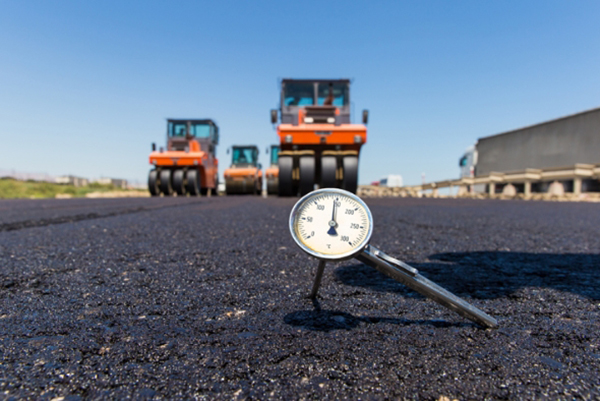
This is why your asphalt contractor should always use a thermometer, often an infrared gun, to check the surface temperature before they begin to pave. A professional crew will not start an asphalt paving job if the ground temp is below the specified minimum, typically 50°F. They understand that a cold ground will ruin the final product, no matter how good the mix or skilled the crew. Insisting on this simple check is an easy way to protect your investment.
5. What Happens if You Pave Asphalt in Cold Weather?
Let's say a less-than-reputable contractor agrees to your paving job on a chilly 40-degree day in late fall. What are the specific problems you can expect to see? The consequences are severe and often appear within the first year. The most common failures are directly linked to poor compaction caused by the cold weather.
Here's a breakdown of what goes wrong:
- Raveling: This is when the aggregate (the small stones) on the surface of the pavement starts to come loose. The asphalt binder didn't have enough heat and time to form a strong film around the stones during compaction, so they easily pop out under the stress of traffic. Your smooth blacktop will quickly start to look rough and worn.
- High Air Voids: Because the asphalt stiffened too quickly, the rollers couldn't squeeze out all the air pockets. A well-compacted asphalt pavement should have around 4-8% air voids. A cold-weather job might have 12-15% or more.
- Water Damage: Those high air voids create a network of channels for water to penetrate deep into the pavement. Rainwater that gets trapped inside will weaken the binder. In colder months, this water will freeze, expand, and break the pavement apart from within. This freeze-thaw cycle is the primary cause of cracks and potholes.
- Reduced Lifespan: A properly installed asphalt driveway or parking lot can last 15-20 years or more. An asphalt pavement laid in cold weather might start showing serious signs of failure in just 1-3 years. The money you thought you saved by rushing the job will be spent many times over on repairs and premature replacement.
6. Can Hot Mix Asphalt Be Used in Colder Conditions?
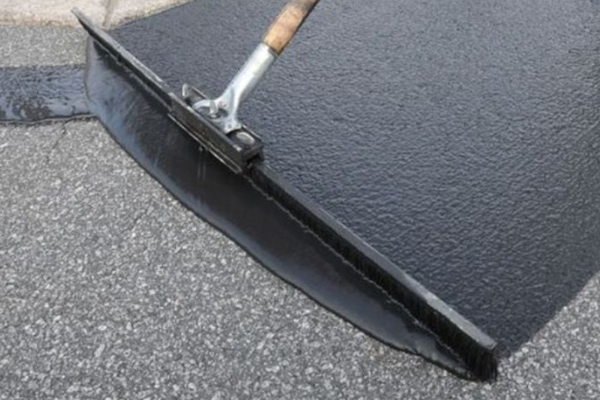
Hot mix asphalt (HMA) is the standard material for most paving. It leaves the plant at a very high temperature (around 300°F), which gives the crew the maximum amount of time to work with it. This built-in heat is why it's the preferred choice, especially when conditions are less than ideal. The hotter the mix starts, the longer it takes to cool to the critical point where it can no longer be compacted (around 185 degrees Fahrenheit).
However, even HMA has its limits. In colder weather, a standard hot mix will still lose heat too fast. This is where more advanced materials, like the ones we specialize in producing, come into play. A Modified asphalt mix contains special polymers or additives. These modifiers can change the properties of the asphalt binder, making it more flexible at lower temperatures and giving the crew a slightly larger window to achieve proper compaction.
Even with a modified asphalt mix, you are still fighting a losing battle against the cold. While it might allow a contractor to successfully pave in, say, 50-55°F conditions, it is not a magic bullet that allows for paving in 30°F weather. Think of it as an insurance policy that helps ensure success in borderline conditions, not a license to ignore fundamental temperature requirements. Using a superior asphalt product can help, but it cannot defy the laws of physics.
7. What Is the Best Time of Year for Asphalt Paving Projects?
Given everything we've discussed about temperature, the best time for asphalt work is clear. For most of the United States and Europe, the ideal paving season runs from late spring through early fall. Generally, this means from May to October, but this can fluctuate based on your specific climate.
- Spring and Summer: These are the prime seasons. The warmer months provide ideal ground and ambient temperature levels. The sun is high, warming the paving surface and the asphalt itself, slowing the cooling rate and giving the crew plenty of time to achieve a perfect finish. The only major weather concern is rain, as you cannot pave asphalt on a wet surface.
- Early Fall: This can also be a great time to lay asphalt. The ground is still holding residual heat from the summer, and daytime temperatures are often pleasant and stable. However, as you get later into the season, you have to watch the forecasts carefully. An unexpected cold snap can ruin a paving project.
- Winter and Early Spring: These are the worst times. The ground is cold or frozen, and ambient temperatures are consistently below the 50°F threshold. Any reputable local asphalt paving company will shut down their operations for the winter and will not resume until the weather conditions are consistently favorable.
When scheduling your asphalt project, aim for the heart of the paving season. This will give you the best chance of getting a high-quality, long-lasting pavement and avoiding the risks associated with cold weather work.
8. How Do Professionals Monitor Asphalt Temperature During Installation?
A professional paving contractor treats asphalt temperature with the seriousness it deserves. They don't just guess or go by feel. They use specific tools and processes to monitor the temp at every stage of the operation. This is a key differentiator between a professional crew and a low-bidder who might cut corners.
The process looks like this:
- At the Plant: The asphalt mix temperature is checked as it's loaded into the dump truck. It must be within the specified range (usually 275-325°F) before it's allowed to leave.
- In Transit: Trucks are covered with a tarp, especially on cooler days, to minimize heat loss on the way to the job site. The goal is to lose as little temperature as possible.
- At the Site: Before the asphalt is dumped into the paving machine, the crew chief will check the temperature again, usually with a long-stem thermometer or an infrared temperature gun. If the mix has cooled too much, it should be rejected. This is a critical quality control step.
- Behind the Paver: As the fresh asphalt mat is being laid, its temperature is continuously monitored. This helps the roller operators know how much time they have to begin the compaction process. The initial "breakdown" rolling must happen when the mat is at its hottest for the best results.
This constant monitoring ensures that every part of the pavement is laid and compacted at the right temperature. When you hire a company for asphalt paving services, ask them about their temperature monitoring procedures. A confident, professional answer is a very good sign.
9. Beyond Temperature: Other Key Factors for a Perfect Paving Job
While temperature is a critical factor, it's not the only thing that matters for a successful asphalt paving job. A proper asphalt installation requires a holistic approach where several factors work together. Even if you pave on a perfect 75-degree day, the project can still fail if other elements are neglected.
Here are other essential considerations:
- A Stable Subgrade: The asphalt is only as good as the foundation it's built on. The subgrade, or base layer, must be properly graded, free of organic material, and compacted to a high density. A weak or unstable base will cause the pavement above it to crack and fail, regardless of the asphalt quality or paving temperature.
- Dry Conditions: You cannot install asphalt in the rain or on a wet surface. Water prevents the hot asphalt from bonding to the layer below it. Moisture trapped in the mix can also turn to steam, creating voids and weakening the final pavement.
- Mix Design: Not all asphalt is the same. The mix design—the specific recipe of binder, aggregate size, and additives—should be chosen based on the project's needs. A highway needs a different, more durable mix than a residential driveway.
- Skilled Workmanship: The experience and skill of the paving crew are paramount. They need to operate the machinery correctly, maintain a consistent paving speed, manage joints properly, and execute the rolling patterns precisely. This expertise is just as important as the materials or the outdoor temperatures.
10. How Does the Quality of the Asphalt Mix Affect Temperature Requirements?
This is where my world of producing raw materials connects directly to your final project. The quality and type of asphalt binder used in the mix have a significant impact on how it behaves at different temperatures. Using a generic, low-grade binder can make a paving crew's job much harder, especially in borderline temperature conditions. On the other hand, a high-quality, well-engineered product provides a more forgiving and predictable material to work with.
For instance, a High temperature asphalt is designed to be extremely stable and resist deformation under extreme heat, but the base components also affect its workability. Products like our Medium temperature asphalt block are produced to strict specifications, ensuring a consistent viscosity and performance. This means that when it's heated, it behaves exactly as the paving crew expects it to. There are no surprises. This consistency allows them to better manage the paving and compaction process because the asphalt will cool at a predictable rate.
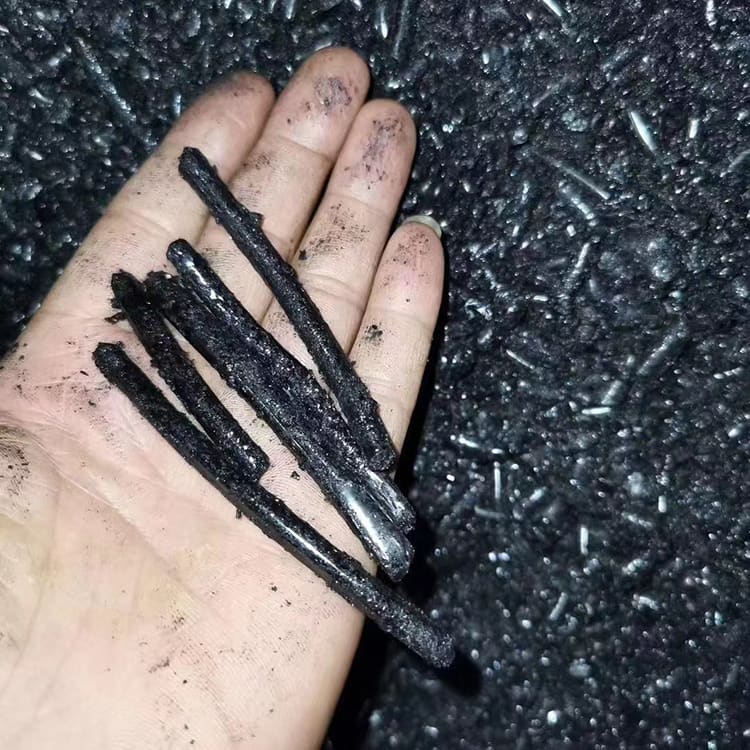
Furthermore, specialized products can enhance performance. A high-quality asphalt binder made from superior coal tar pitch, like our Ball pitch, offers better adhesion and durability. When you start with a superior binder, the resulting asphalt mix is more robust. It holds its heat slightly better and creates a stronger bond with the aggregate, which can be a crucial advantage on a cooler day. While quality materials can't override the fundamental temperature requirements, they can certainly widen the margin for success and contribute to a stronger, more resilient pavement. Investing in a better asphalt mix is investing in the longevity of the final surface.
Key Takeaways to Remember
As a procurement professional, your decisions impact the final quality of a project. When it comes to asphalt, understanding temperature is key to protecting your investment. Here are the most important points to remember:
- The 50-Degree Rule: Do not pave asphalt unless the air and ground temperature are both at least 50°F (10°C) and rising.
- Ideal is Better: For the best results, aim for a paving project when the ambient temperature is between 70°F and 90°F.
- Ground Temp is Critical: A cold ground will sap the heat from your asphalt mix, leading to immediate stiffening and poor compaction. Always ensure the ground surface is checked.
- Avoid Cold Weather Risks: Paving in the cold leads to weak, porous pavement that will quickly develop cracks, raveling, and potholes.
- Timing is Everything: Schedule your asphalt paving projects for the warmer months—late spring, summer, and early fall—to ensure favorable conditions.
- Quality In, Quality Out: The quality of the asphalt mix, starting from the binder itself, affects workability and the final strength of the pavement. A superior mix offers better performance and a wider margin for success.
Post time: 07-16-2025