

Pure anthracene is commonly described as having a weak aromatic odor. It is a solid polycyclic aromatic hydrocarbon, so its smell is often faint rather than strongly noticeable under normal conditions.
However, Anthracene oil is not the same as pure anthracene. Anthracene oil is a complex coal-tar-derived mixture that can contain anthracene, phenanthrene, carbazole, and other aromatic compounds. Its odor can vary by source, production process, composition, temperature, storage condition, and the presence of other coal-tar fractions.
In practical terms, Anthracene oil may be described as having an aromatic, tar-like, smoky, or heavy hydrocarbon odor. But odor is not a reliable method for identifying a chemical, confirming purity, judging product quality, or evaluating exposure risk.
What Is Anthracene?
Anthracene is a polycyclic aromatic hydrocarbon with a structure made of three fused benzene rings. It is generally found as a white to yellow crystalline solid and is associated with coal tar and coal-tar distillation processes.
Anthracene is used as an intermediate in chemical production and may be recovered from coal-tar-derived fractions. Because it is a specific chemical substance, its appearance and odor characteristics differ from those of broader industrial mixtures.
Pure anthracene may have only a weak aromatic smell. A person may not easily notice an odor, especially when the material is in solid form, stored in a closed container, or present at a low concentration in air.
What Is Anthracene Oil?
Anthracene oil is a coal-tar-derived fraction rather than a single pure substance. It is produced during the distillation and processing of coal tar and can contain a range of polycyclic aromatic hydrocarbons and related compounds.
Because Anthracene oil is a complex mixture, its properties are not identical from one product grade or production source to another.
Its characteristics can be influenced by:
- Feedstock composition
- Distillation range
- Refining method
- Anthracene concentration
- Phenanthrene concentration
- Carbazole and other component levels
- Storage temperature
- Oxidation during storage
- Product contamination
- Batch-to-batch variation
For this reason, buyers should review the supplier’s product specification, certificate of analysis, and safety documentation instead of relying on odor as a quality indicator.
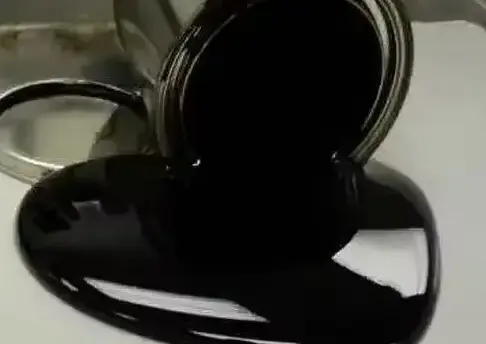
What Does Anthracene Oil Smell Like?
Anthracene oil can have an aromatic and coal-tar-related odor. Depending on the exact composition, people may describe it as:
- Tarry
- Smoky
- Heavy
- Oily
- Aromatic
- Hydrocarbon-like
- Sharp or pungent
- Similar to other coal-tar distillate odors
These descriptions are general only. One batch of Anthracene oil may smell noticeably different from another because the product may contain different proportions of aromatic compounds.
Temperature can also change the strength of the odor. A warmer material can release more vapors than a cooler material, making the smell seem stronger. Storage conditions, ventilation, container sealing, and the age of the material can also affect what people notice.
Why Does Anthracene Oil Odor Vary?
Anthracene oil odor is not a fixed product property. The odor depends on the combination of compounds present in the mixture and how easily those compounds move into the air.
Several factors can affect odor intensity.
Product Composition
Anthracene oil is a mixture. Different levels of aromatic compounds can change its odor profile. A product with a different distillation cut or different processing history may not smell the same as another material sold under a similar name.
Temperature
As temperature rises, more volatile components may enter the air. This can make the odor more noticeable. The same product may have a mild odor when cool and a stronger odor when heated.
Storage Time
Long storage periods can affect some chemical mixtures. Container condition, exposure to air, and temperature fluctuations may change the perceived odor over time.
Ventilation
Odor is easier to notice in enclosed or poorly ventilated areas. Good process ventilation can help control vapor accumulation and support safer material handling.
Contamination or Cross-Contact
Odor changes may occur if the product is exposed to other chemicals, residues, packaging materials, or contaminated equipment. A change in odor should be investigated through quality-control procedures rather than judged by smell alone.
Can You Identify Anthracene by Smell?
No. You should not identify anthracene, Anthracene oil, or any other industrial chemical by smelling it.
Odor is subjective and can vary between individuals. Some people may detect an odor at a very low concentration, while others may not notice it at all. The absence of a noticeable odor does not mean that a material is harmless or that exposure is not occurring.
Similarly, a strong smell does not provide enough information to determine chemical identity, concentration, purity, or hazard level.
Proper identification should rely on:
- Product labels
- Safety Data Sheets
- Product specifications
- Certificate of analysis
- Batch identification
- Laboratory testing
- Supplier technical documentation
- Site-specific industrial hygiene procedures
Is the Smell of Anthracene Oil a Safety Warning?
An unusual or strong odor should be treated as a reason to review the situation, but it is not a complete safety assessment.
If an Anthracene oil odor becomes stronger than expected, investigate possible causes such as:
- A leaking container
- Damaged seals or valves
- Improper storage temperature
- Poor ventilation
- Spillage
- Contaminated equipment
- A process upset
- Incorrect material handling
- Cross-contamination
Follow the applicable site safety procedure, use appropriate ventilation and personal protective equipment, and consult the relevant Safety Data Sheet. Do not lean close to a container or intentionally inhale vapors to determine what the material is.
Safe Handling Considerations for Anthracene Oil
Anthracene oil and related coal-tar-derived materials should be handled as industrial chemical products. Their hazards and regulatory requirements can depend on composition, region, product classification, and intended use.
Good handling practices include:
- Keep containers clearly labeled and closed when not in use.
- Store materials in accordance with the product’s Safety Data Sheet.
- Use suitable ventilation where vapors or aerosols may be present.
- Prevent unnecessary skin contact.
- Use the specified personal protective equipment.
- Keep incompatible materials separate.
- Manage spills using site-approved procedures.
- Do not use odor as an exposure-monitoring method.
- Train workers on product-specific handling and emergency procedures.
For any operation involving heating, transfer, blending, sampling, or large-volume storage, a site-specific risk assessment is important.
How to Evaluate Anthracene Oil Quality
Odor can be one observation during receiving inspection, but it should never be the main acceptance criterion.
A more reliable quality-control process may include:
- Confirming product name and batch number.
- Reviewing the certificate of analysis.
- Checking the product specification.
- Confirming physical appearance and storage condition.
- Testing relevant composition or distillation characteristics.
- Reviewing moisture, insoluble matter, or other application-specific parameters.
- Comparing results with the agreed purchasing specification.
- Recording deviations and investigating unusual changes.
The required tests depend on the intended use of the Anthracene oil, such as chemical processing, carbon-material production, specialty intermediates, or other industrial applications.
Why Product Documentation Matters
The same general product name can cover materials with different chemical profiles. For purchasing, production, and safety management, a clear specification is more useful than a general sensory description.
When sourcing Anthracene oil, request documentation that addresses:
- Product identification
- Source and grade
- Typical composition
- Applicable test methods
- Physical-property data
- Storage requirements
- Safety handling guidance
- Packaging details
- Batch traceability
- Certificate-of-analysis availability
This approach helps buyers select a material suited to their process while supporting consistent quality control.
Conclusion
What is the smell of anthracene? Pure anthracene is generally described as having a weak aromatic odor. Anthracene oil, by contrast, is a complex coal-tar-derived mixture and may have a heavier aromatic, tar-like, smoky, or hydrocarbon-related odor.
Because composition and conditions vary, odor should never be used to identify Anthracene oil, assess purity, or judge safety. Product labels, specifications, Safety Data Sheets, and laboratory testing provide a far more reliable basis for material selection and handling.
Frequently Asked Questions
Does pure anthracene have a strong smell?
Pure anthracene is generally described as having a weak aromatic odor. Odor perception can vary based on material condition, temperature, and individual sensitivity.
What does Anthracene oil smell like?
Anthracene oil may have an aromatic, tar-like, smoky, oily, or heavy hydrocarbon odor. The exact odor can vary because Anthracene oil is a complex mixture rather than a single pure chemical.
Can I identify Anthracene oil by smell?
No. Smell is not a reliable identification method. Use product labels, Safety Data Sheets, specifications, batch records, and laboratory analysis.
Why does Anthracene oil smell stronger when warm?
Higher temperatures can increase the release of volatile components into the air, making the odor easier to notice. Follow product-specific handling and ventilation guidance when working with heated materials.
Does a stronger odor mean lower-quality Anthracene oil?
Not necessarily. Odor can vary with product composition, temperature, storage, and surrounding conditions. Quality should be evaluated using agreed technical specifications and test results.
Discuss Your Anthracene Oil Requirements
For Anthracene oil product information, technical requirements, or sourcing support, contact ZGFTY.
Post time: 10-28-2026