

Asphalt is a critical material used in road construction, and its performance depends heavily on temperature. Ensuring proper installation requires careful control of the temperature at which it is mixed, transported, and applied. One of the key factors influencing asphalt’s behavior is its temperature sensitivity. When asphalt is exposed to lower temperatures, its properties change, which can impact its long-term performance. In this article, we will explore the minimum temperature for asphalt, with a particular focus on low-temperature asphalt, and how it affects the material's use in cold climates.
Temperature and Asphalt Performance
Asphalt is a mixture of aggregates (stone, sand, and gravel) bound together by bitumen, a sticky, black petroleum product. It needs to be heated to become workable. The correct temperature ensures that the asphalt mixture spreads easily and compacts well, creating a durable and smooth surface. If applied at improper temperatures, asphalt can develop issues such as cracking, poor adhesion to aggregates, or even premature failure under traffic loads.
In standard conditions, asphalt is typically heated between 275°F and 300°F (135°C to 150°C) to ensure proper workability and compaction during the paving process. However, when temperatures drop, particularly in colder climates, asphalt can become stiff and brittle, making it difficult to achieve good compaction.
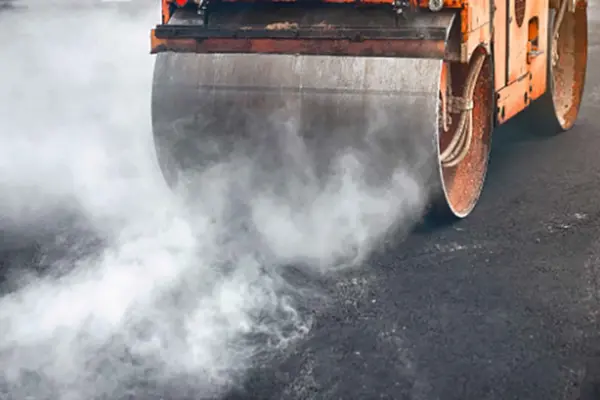
Minimum Temperature for Asphalt Installation
The minimum temperature for laying asphalt depends on several factors, including the type of asphalt mix being used and ambient environmental conditions. As a general rule, asphalt should not be applied when the air or surface temperature is below 50°F (10°C). This threshold ensures that the asphalt remains sufficiently pliable to be compacted and bonded to the substrate. When temperatures fall below this level, asphalt begins to lose its flexibility, making it more prone to cracking.
For cold-weather applications, asphalt contractors may use specific techniques to extend the paving season, such as increasing the temperature of the mix or using insulating blankets to retain heat during transport and installation. However, these methods have limitations, and in extremely low temperatures, achieving a durable asphalt surface can be challenging.
Low-Temperature Asphalt
In response to these challenges, the industry has developed low-temperature asphalt (LTA), also known as warm mix asphalt (WMA). This innovative technology allows asphalt to be produced and laid at lower temperatures, typically between 200°F and 250°F (93°C to 121°C), which is significantly lower than traditional hot mix asphalt (HMA).
Low-temperature asphalt offers several advantages:
- Improved Workability in Cold Conditions: Since LTA can be mixed and applied at lower temperatures, it remains more workable even in colder weather, reducing the risk of early cracking.
- Energy Efficiency: Producing asphalt at lower temperatures requires less energy, making the process more environmentally friendly by reducing greenhouse gas emissions.
- Longer Paving Season: Contractors can extend the paving season into colder months by using low-temperature asphalt, as it can be applied even when the air temperature is around 40°F (4°C).
Cold Climate Challenges and Solutions
In colder regions, asphalt faces unique challenges related to temperature fluctuations. During winter months, pavements can experience freezing and thawing cycles that cause the material to expand and contract, leading to cracking and potholes. This is particularly problematic if the asphalt is applied in suboptimal conditions.
To address these challenges, contractors use specialized low-temperature asphalt mixtures designed to withstand the stresses caused by extreme cold. These mixtures often incorporate polymers and other additives that enhance the flexibility of the asphalt, allowing it to maintain its integrity even at temperatures as low as -22°F (-30°C). Such modifications improve the performance of asphalt in areas with severe winters, where standard mixes would fail prematurely.
Best Practices for Cold Weather Asphalt Installation
To ensure optimal performance, contractors follow several best practices when working with asphalt in low-temperature conditions:
- Monitor Temperature Closely: Both the air temperature and surface temperature of the pavement must be monitored. If the surface is too cold, it can cause rapid cooling of the asphalt mixture, leading to poor compaction.
- Increase Compaction Efforts: In colder conditions, the time window for proper compaction is reduced. Contractors may use heavier rollers or increase the number of passes to ensure adequate compaction before the mix cools too much.
- Use Low-Temperature Asphalt: In climates where temperatures regularly fall below freezing, low-temperature asphalt should be the material of choice to prevent early deterioration of the pavement.
Conclusion
The minimum temperature for asphalt application plays a crucial role in the longevity and performance of pavements. Standard hot mix asphalt is generally unsuitable for temperatures below 50°F (10°C), but advances in technology, such as low-temperature asphalt, have made it possible to pave even in colder weather. LTA offers benefits like improved workability, energy efficiency, and extended paving seasons, making it a go-to solution for cold climates. By following best practices and utilizing the right materials, contractors can ensure durable asphalt surfaces even in challenging low-temperature environments.
Post time: 10-23-2024