

Highly modified asphalt is an asphalt binder that has been enhanced with a higher level of performance-modifying materials, usually polymers, rubber, resins, or other additives. These modifiers are introduced to improve the asphalt's resistance to heat, cold, deformation, cracking, water exposure, and long-term aging.
The exact meaning of “highly modified” can vary by market, product standard, and application. In general, it refers to a modified asphalt formulation designed to deliver stronger performance than conventional asphalt or lightly modified asphalt.
Highly modified asphalt is commonly used where ordinary asphalt may not provide enough durability, flexibility, adhesion, or temperature stability.
What Is Asphalt Binder?
Asphalt binder is a dark, viscous petroleum-based material used to bind aggregates together in pavement and to create waterproofing layers in roofing and construction systems.
In conventional asphalt applications, the binder provides adhesion and water resistance. However, unmodified asphalt can become softer at high temperatures and more brittle at low temperatures or after long-term oxidation.
To improve performance, manufacturers add modifiers that change the physical and chemical behavior of the asphalt binder.
How Is Highly Modified Asphalt Made?
Highly modified asphalt is produced by blending base asphalt with carefully selected performance additives under controlled temperature and mixing conditions.
The process may include:
- Selecting a suitable base asphalt.
- Heating the asphalt to a controlled processing temperature.
- Adding polymer modifiers, rubber, resins, or specialty additives.
- Mix the formulation until the modifier is distributed consistently.
- Testing properties such as viscosity, elasticity, softening behavior, storage stability, and low-temperature flexibility.
- Delivering the finished modified asphalt for paving, waterproofing, roofing, or industrial use.
The formula depends on the intended application. A modified asphalt product for road pavement may be designed differently from a product used in waterproof membranes or roofing materials.
What Modifiers Are Used in Highly Modified Asphalt?
The most common materials used in modified asphalt products include polymers and other performance-enhancing additives.
Polymer Modifiers
Polymers can improve elasticity, high-temperature stability, low-temperature flexibility, and resistance to deformation.
Common polymer families used in asphalt modification may include:
- Styrene-butadiene-styrene, or SBS
- Styrene-butadiene rubber, or SBR
- Ethylene-vinyl acetate, or EVA
- Polyolefin-based modifiers
- Specialty elastomers and plastomers
Different polymers provide different performance characteristics. Some improve elasticity and crack resistance, while others improve stiffness and resistance to rutting at elevated temperatures.
Crumb Rubber
Recycled rubber can be incorporated into asphalt formulations to improve flexibility, damping behavior, and resistance to cracking. Rubber-modified asphalt is often considered for pavement, sound reduction, and specialized waterproofing applications.
Resins and Functional Additives
Resins, oils, anti-aging additives, adhesion promoters, fibers, fillers, and other functional materials may be used to improve bonding, workability, durability, or compatibility with specific aggregates and membranes.
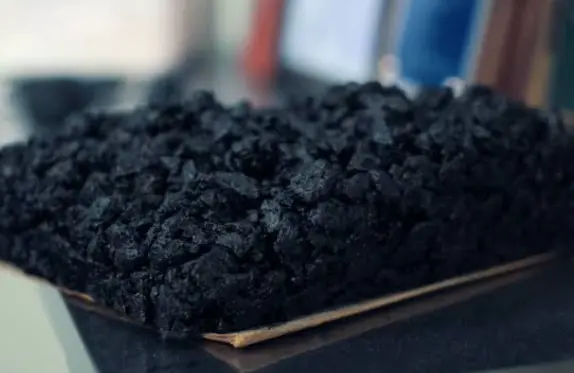
Key Properties of Highly Modified Asphalt
Highly modified asphalt is designed to provide enhanced performance in demanding environments.
Better High-Temperature Stability
At high temperatures, conventional asphalt can soften and deform. Highly modified formulations can provide improved resistance to rutting, flow, and surface deformation.
This is especially important for roads with heavy traffic, hot climates, industrial yards, bridges, and high-load pavement areas.
Improved Low-Temperature Flexibility
At low temperatures, asphalt can become stiff and more vulnerable to cracking. Polymer modification can improve flexibility and help the material better tolerate thermal movement.
This property is valuable in cold climates and in waterproofing systems exposed to seasonal expansion and contraction.
Increased Elastic Recovery
Highly modified asphalt can recover more effectively after repeated loading or deformation. This elastic behavior helps improve resistance to fatigue, cracking, and permanent shape changes.
Stronger Adhesion
Modified asphalt may provide improved bonding with mineral aggregates, roofing substrates, reinforcement materials, and waterproofing layers.
Good adhesion can help reduce moisture-related damage and improve long-term system integrity.
Better Aging Resistance
Asphalt can harden over time because of oxidation and environmental exposure. Appropriate modification can help improve resistance to aging, though long-term performance still depends on formulation, installation quality, and service conditions.
Common Uses of Highly Modified Asphalt
Highly modified asphalt can be used in a variety of infrastructure and construction applications.
Road Pavement
In road construction, modified asphalt can be used for high-traffic roads, highways, airports, bridge decks, ports, bus lanes, and industrial areas.
The goal is often to improve resistance to:
- Rutting
- Fatigue cracking
- Thermal cracking
- Water damage
- Heavy-load deformation
- Repeated traffic stress
Waterproofing Membranes
Highly modified asphalt is widely used in waterproofing membranes for roofs, basements, tunnels, bridges, foundations, and other structures.
The modified binder can help membranes maintain flexibility, adhesion, and water resistance under changing weather conditions.
Roofing Materials
Modified asphalt may be used in roofing sheets, self-adhesive membranes, underlayment materials, and protective roof systems.
For roofing applications, important performance factors include weathering resistance, flexibility, UV protection, tear resistance, and compatibility with reinforcement layers.
Industrial and Specialty Applications
Highly modified asphalt can also be used in sealing materials, joint treatments, protective coatings, sound-damping layers, and other specialized construction products.
Highly Modified Asphalt vs. Conventional Asphalt
| Feature | Conventional Asphalt | Highly Modified Asphalt |
|---|---|---|
| Main composition | Base asphalt binder | Base asphalt plus high-performance modifiers |
| Temperature resistance | Standard | Improved for demanding conditions |
| Flexibility | Limited by base asphalt properties | Often improved, especially at low temperatures |
| Elastic recovery | Lower | Usually higher |
| Crack resistance | Standard | Enhanced when correctly designed |
| Typical use | General paving and basic applications | Heavy-duty pavement, roofing, waterproofing, specialty projects |
The correct material should be selected based on climate, traffic level, substrate, installation method, and project performance requirements.
How to Choose the Right Modified Asphalt
Before selecting a highly modified asphalt product, consider:
- Intended application
- Operating temperature range
- Traffic load or mechanical stress
- Exposure to water and moisture
- Required flexibility
- Required adhesion
- Installation method
- Compatibility with aggregate, substrate, or membrane reinforcement
- Local standards and project specifications
- Storage and handling requirements
A product with high polymer content is not automatically the best choice for every project. The best Modified asphalt is the one designed and tested for the specific service conditions.
Final Thoughts
Highly modified asphalt is a performance-enhanced asphalt binder formulated with polymers, rubber, resins, or other additives. It is designed to provide improved elasticity, temperature stability, adhesion, crack resistance, and durability compared with conventional asphalt.
Whether used in roads, roofing, waterproofing membranes, or industrial applications, highly modified asphalt can help support long-term performance in demanding conditions. The key is selecting a formulation that matches the project environment and technical requirements.
For modified asphalt product and application information, visit ZGFTY.
Post time: 07-29-2026