

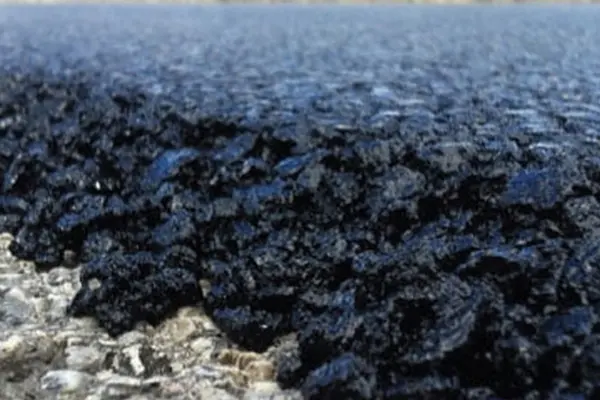
Polymer-modified asphalt (PMA) has gained significant traction in the construction and maintenance of roadways, parking lots, and various other surfaces due to its enhanced properties compared to traditional asphalt. By incorporating polymers—synthetic materials that improve flexibility, durability, and resistance—into the asphalt mixture, PMA addresses many of the limitations associated with conventional asphalt. This article explores the benefits of polymer-modified asphalt, highlighting its performance advantages and sustainability attributes.
Enhanced Durability
One of the most notable benefits of polymer-modified asphalt is its enhanced durability. The addition of polymers strengthens the asphalt matrix, making it more resistant to the damaging effects of temperature fluctuations, heavy traffic loads, and environmental stressors. This improved durability helps reduce the likelihood of cracking, rutting, and other forms of pavement distress, leading to longer-lasting road surfaces.
In climates where temperature variations are extreme, PMA remains more flexible than traditional asphalt, allowing it to expand and contract without developing fissures. This adaptability is crucial in preventing early failure of pavements, which can incur significant repair costs and inconvenience to users.
Improved Resistance to Aging
Traditional asphalt can degrade over time due to exposure to UV radiation, oxygen, and moisture. This aging process leads to hardening and embrittlement, compromising the pavement's structural integrity. Polymer-modified asphalt is engineered to be more resistant to aging, thereby prolonging its lifespan.
Polymers in PMA act as stabilizers, reducing the effects of oxidation and enhancing the material's ability to retain its original properties over time. This resistance to aging not only extends the service life of pavements but also minimizes the need for frequent maintenance and repairs, resulting in cost savings for municipalities and property owners.
Enhanced Adhesion
Another significant advantage of polymer-modified asphalt is its superior adhesion properties. The polymers improve the bonding between the asphalt binder and aggregate materials, which is essential for maintaining the structural integrity of the pavement. Enhanced adhesion reduces the risk of stripping, where the asphalt binder loses its grip on the aggregates, leading to surface deterioration.
This improved adhesion is particularly beneficial in regions with heavy rainfall or extreme weather conditions, as it helps maintain a strong and durable surface that can withstand the erosive effects of water and traffic.
Better Performance in Extreme Temperatures
Polymer-modified asphalt performs exceptionally well in both high and low temperatures. In hot climates, PMA resists softening and rutting, common issues faced by traditional asphalt under intense heat. The polymers help maintain the asphalt's structure and prevent deformation, ensuring that the pavement remains smooth and safe for vehicles.
Conversely, in colder climates, PMA exhibits enhanced flexibility and resistance to cracking. The ability to withstand freeze-thaw cycles without significant damage makes polymer-modified asphalt an ideal choice for regions that experience harsh winters. This temperature resilience contributes to overall pavement longevity and reduces the need for costly repairs.
Noise Reduction
Recent studies have indicated that polymer-modified asphalt can also contribute to noise reduction on roadways. The material's unique properties can help absorb sound generated by vehicle traffic, leading to quieter roadways. This is particularly beneficial in urban areas where noise pollution is a concern for residents living near major roads and highways.
By utilizing PMA, municipalities can create more comfortable living environments while also improving the overall quality of life for their citizens.
Environmental Benefits
The use of polymer-modified asphalt also aligns with sustainability initiatives in the construction industry. PMA can be produced with recycled materials, further reducing the environmental impact associated with traditional asphalt production. Additionally, the extended lifespan of PMA surfaces minimizes the need for frequent replacements and repairs, thereby decreasing the consumption of resources and reducing waste.
Moreover, its energy-efficient properties can lead to lower greenhouse gas emissions during production and application, contributing to more sustainable infrastructure development.
Conclusion
Polymer-modified asphalt presents numerous benefits that make it a superior choice for modern paving applications. Its enhanced durability, improved resistance to aging, and better performance in extreme temperatures make it a reliable option for various climates. Additionally, the environmental benefits and noise-reducing properties further enhance its appeal. As the demand for high-quality, sustainable paving materials continues to grow, polymer-modified asphalt stands out as a leading solution, promising to improve infrastructure while minimizing environmental impact. Embracing PMA not only enhances road safety and longevity but also aligns with the broader goals of sustainability and resilience in urban development.
Post time: 10-23-2024