

Coal tar, a complex mixture derived from coal, holds immense industrial importance, acting as a crucial raw material for countless applications. This article delves into the multifaceted world of coal tar and its derivatives, exploring its origins, properties, and diverse uses, with a special focus on high-temperature coal tar and high-temperature applications. We will examine its role in various industries, the significance of coal tar pitch, and the challenges and opportunities associated with its handling and utilization, providing insights for professionals in industries relying on this essential substance. Learn how the remarkable versatility of this coal derived product makes it indispensable in modern manufacturing.
This article is worth reading because it offers a comprehensive overview of coal tar, providing in-depth knowledge about its production, applications, and the nuances of its derivatives like high-temperature coal tar. Understanding the complexities of coal tar and its derivatives is crucial for anyone involved in industries that rely on this raw material, from the manufacturing of electrodes to the production of advanced materials.
1. What is Coal Tar and Where Does It Come From?
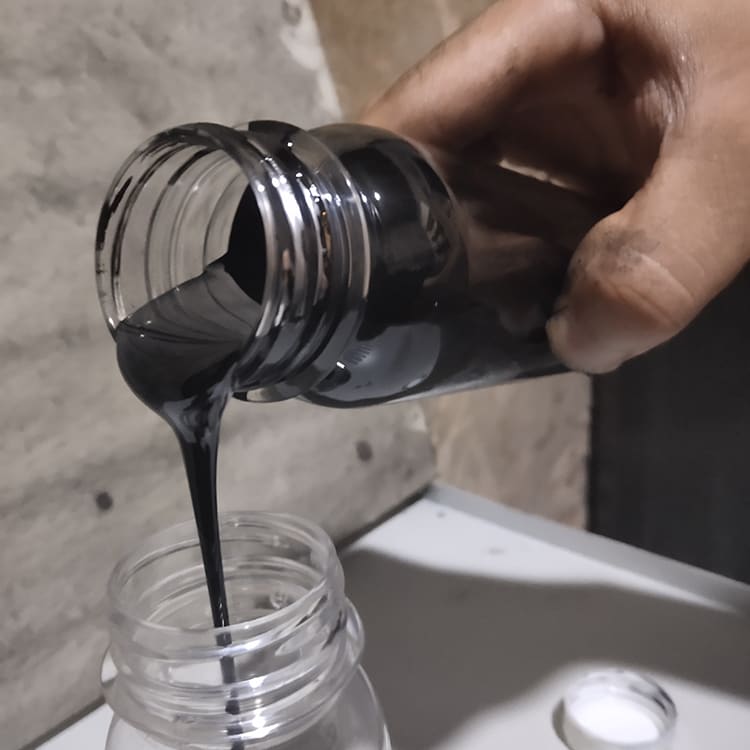
Coal tar is a dark, viscous mixture produced as a byproduct of coal during the coal coking process. This process involves heating coal in the absence of air to extract valuable products like coke, gas, and of course, coal tar. Coal tar itself is a complex mixture of hundreds of aromatic hydrocarbons and other organic compounds.
Coal tar is a by-product of the high-temperature coal coking process, which is vital to steelmaking and other industries. It is not a single chemical compound, but a complex mixture of aromatic hydrocarbons. This complex mixture is separated through a distillation process, which is used to separate various fractions based on their boiling point. Different fractions of coal tar can be used for different purposes, like coal tar pitch, high-temperature coal tar and various other products.
The coal tar is a hazardous chemical. It is a byproduct of the coal coking process, and it is a mixture of many different organic compounds. The exact chemical composition varies depending on the type of coal used and the coking process.
2. How is Coal Tar Processed and What are its Main Components?
The distillation of coal tar is a crucial process that separates it into various fractions, each with unique properties and applications. The main components include light oils (containing aromatic hydrocarbons like benzene, toluene, and xylene), intermediate oils (like naphthalene and creosote), heavy oils (like anthracene oil), and the residue, coal tar pitch. The specific composition varies depending on the type of coal used in the initial process and the distillation conditions.
Coal tar contains a wide range of aromatic hydrocarbons, making it a valuable source for many basic chemicals. Key components include naphthalene, anthracene, phenanthrene, and other polycyclic aromatic hydrocarbons (PAHs). These substances are separated through fractional distillation, a process that exploits the different boiling points of the various components. This process is fundamental to deriving valuable products from the raw material.
Different fractions obtained from the distillation process can be used as solvents or feedstock for the production of other chemical products. For example, naphthalene is a crucial intermediate in the manufacture of dyes and insecticides, and anthracene is used in the production of dyes and high-temperature lubricants.
3. What is Coal Tar Pitch, and What Makes it Important?
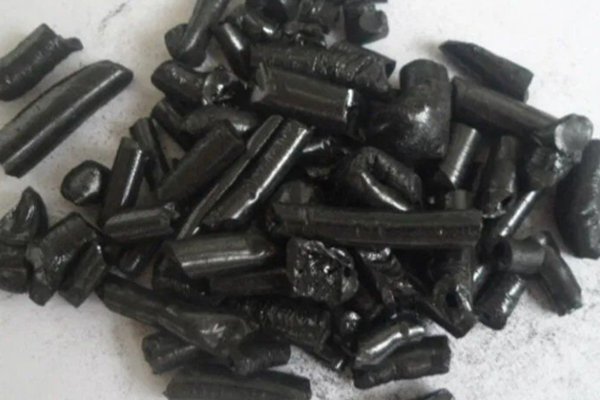
Coal tar pitch is the residue remaining after the distillation of coal tar. It's a black, solid or semi-solid substance primarily composed of high molecular weight aromatic hydrocarbons. Coal tar pitch is a crucial component in the production of coke used in steelmaking and in the manufacturing of electrodes for aluminum smelting and the graphite industry. It is also used to create specialized coatings and binders for various industrial applications, including road construction.
Coal tar pitch acts as a binder in the coke making process, providing strength and structural integrity to the resulting coke. This is essential for efficient blast furnace operation in steel manufacturing. In the electrode industry, coal tar pitch serves as a binder to form the electrodes used in aluminum smelting and other electrometallurgical processes. Its unique properties, including its ability to carbonize at high temperatures, make it an indispensable raw material.
The quality of the coal tar pitch significantly influences the performance of the end products. The selection of the appropriate coal tar pitch grade depends on the specific application, and quality control is very important.
4. What are the Different Types of Coal Tar Products and Their Applications?
The versatility of coal tar leads to a variety of products, each with specific applications. These include:
- Coal tar pitch: Used as a binder for coke and electrode production, and as a coating material.
- High-temperature coal tar: Employed in the manufacture of high-temperature materials, such as carbon products.
- Medium temperature asphalt block: Used in construction, particularly in road paving.
- Special asphalt for oilfield additives: Utilized in the oil and gas industry.
- Petroleum asphalt flakes: Applied in roofing and waterproofing.
- Ball pitch: Applied in the production of electrode and coke.
- Coal tar pitch flakes: Used as a binder and in coating applications.
- Asphalt powder: Applied as a filler and binder in various construction materials.
- National standard medium temperature asphalt: Used in road construction and maintenance.
- High-temperature asphalt: Used in various industrial applications.
- Modified asphalt: Used in road construction and roofing applications.
The range of coal tar products showcases their diverse uses across multiple industries, from the manufacturing of electrodes and coke to construction and specialized applications. The choice of product depends on the specific requirements of the application.
5. What is High-Temperature Coal Tar and What Makes it Unique?
High-temperature coal tar is a specific fraction derived from coal tar distillation. Unlike low-temperature coal tar, which is produced at lower temperatures, high-temperature coal tar is obtained at higher temperatures, resulting in a mixture of heavier aromatic hydrocarbons. This process is essential for obtaining the specific chemical profile required for high-performance applications.
High-temperature coal tar is notable for its high carbon content and superior binding properties. This makes it suitable for applications demanding thermal stability and high-temperature resistance. It's a critical ingredient in the production of high-temperature carbon materials, electrodes, and other products used in industries like aluminum smelting, steelmaking, and the manufacturing of carbon-based materials.
The unique molecular structure and high carbon content of high-temperature coal tar make it a valuable raw material for applications where resistance to extreme temperatures is paramount.
6. How is High-Temperature Coal Tar Used in Industrial Applications?
High-temperature coal tar is a critical component in various industrial applications, particularly in processes requiring thermal stability and high-temperature resistance. The primary uses are:
- Electrode Manufacturing: It serves as a binder in the production of electrodes for aluminum smelting and other electrometallurgical processes.
- Carbon Products: Used in the manufacturing of various carbon products that require high-temperature stability and strength.
- Specialty Coatings: It forms the base for coatings used in the protection of metal and concrete surfaces from high temperatures and corrosive environments.
In the electrode industry, it binds the coke or graphite particles, forming a solid electrode. This process ensures the structural integrity and conductivity required for efficient operation. In the production of carbon products, the high carbon content of high-temperature coal tar contributes to the overall performance of the end product.
7. What are the Environmental and Safety Considerations for Coal Tar Products?
Coal tar products are classified as hazardous chemicals due to their aromatic hydrocarbon content, including polycyclic aromatic hydrocarbons (PAHs). They are considered carcinogenic, bioaccumulative and toxic, requiring careful handling and storage. The regulatory landscape around coal tar products is complex, with agencies like the European Chemicals Agency (ECHA) and the U.S. Environmental Protection Agency (EPA) setting standards for their use and disposal.
Coal tar products are often subject to specific regulations to minimize environmental and health risks. These regulations are especially strict when dealing with high-temperature coal tar, due to its potential health risks. Proper personal protective equipment (PPE), ventilation, and waste disposal procedures are essential when handling coal tar products. ECHA provides a lot of information about the usage and restrictions of coal tar.
Many coal tar products, depending on their composition, may be subject to specific environmental regulations, like those related to air and water quality, as well as the safe management of hazardous waste.
8. What is the Future of Coal Tar and Related Products?
The value-added utilization of coal tars is increasingly important, with a focus on sustainable practices and advanced applications. Research and research and development are ongoing to develop new coal tar based materials that are effective and safe. The development of new processing techniques that improve the quality of coal tar products is on the rise.
The future of coal tar involves several key trends:
- Development of new processing techniques: There is ongoing research and development to develop new techniques to refine coal tar and improve the purity of its components.
- Advanced Materials: Expanding its applications to new high-tech materials, such as those used in batteries and advanced composites.
- Sustainable Practices: Emphasis on developing more environmentally friendly extraction and processing methods to minimize the environmental impact.
- New product applications: New applications for coal tar products in the downstream industries, such as building materials, automotive and aerospace industries.
The future also depends on technological advancements that make the products more sustainable and easier to handle. Innovations in coal tar processing will likely play a crucial role in ensuring the long-term viability of these products.
9. How to Find Reliable Suppliers for Coal Tar Products?
Sourcing reliable suppliers of coal tar products is essential to ensure the quality, consistency, and timely delivery. Several strategies are useful:
- Industry Exhibitions: Attending industry-specific trade shows and exhibitions, such as those for the steel or aluminum industry, provides opportunities to meet multiple suppliers.
- Online Research: Using search engines like Google and industry-specific directories can help you find potential suppliers. Make sure to use specific search terms like "coal tar pitch supplier" or "high-temperature coal tar supplier" to refine your search.
- Verification: Always check supplier credentials, certifications (e.g., ISO standards), and references.
- Direct Contact: Establishing direct contact with suppliers and requesting samples and detailed product specifications can help you assess their suitability.
- Quality Control: Establishing a robust quality control process is crucial to verify product quality and ensure it meets your specific requirements.
By combining these methods, you can identify and work with reliable suppliers who meet your needs in terms of product quality, pricing, and service. Don't hesitate to ask for certifications like ISO standards, and make sure the supplier complies with environmental regulations.
10. What are the Key Purchasing Considerations for Coal Tar Products?
When purchasing coal tar products, several key factors should be considered:
- Quality: Ensure the product meets your specifications and industry standards. Request certificates of analysis and conduct quality checks. Quality inspection is crucial.
- Certifications: Verify the supplier's compliance with relevant certifications, such as ISO standards and environmental regulations.
- Price and Payment Terms: Compare prices from multiple suppliers and negotiate favorable payment terms. Competitive pricing is vital, but quality should not be sacrificed.
- Logistics: Establish clear shipping and delivery schedules.
- Communication: Maintain clear communication with the supplier to address any issues or concerns promptly.
- Supplier Reputation: Check references and reviews to assess the supplier's reputation and reliability.
- Technical Support: Ensure the supplier can provide adequate technical support and assistance.
Mark Thompson, the owner of a company in the USA, can search and find reliable suppliers of coal tar products. He is looking for coal tar and petroleum coke products (e.g., coal tar pitch, coal tar asphalt, modified asphalt, high-temperature asphalt, medium-temperature asphalt, low-temperature asphalt, modified coal tar pitch, anthracene oil, wash oil, petroleum coke, calcined petroleum coke, coal tar pitch coke, carbon additive, asphalt coke).
Here is a recommendation for Mark:
- Explore suppliers in China, which is a major producer of these products.
- Attend relevant industry exhibitions to meet potential suppliers.
- Ask for the suppliers' experience in export to USA, Europe, and Australia.
- Confirm their certifications and testing reports.
- Make sure communication is efficient.
- Negotiate favorable payment terms and logistics.
By paying attention to these details, you can ensure that you purchase coal tar products that meet your needs and contribute to the success of your operations. It is essential to prioritize both quality and value.
Remember these key takeaways:
- Coal tar is a versatile raw material derived from coal, crucial for many industries.
- High-temperature coal tar is particularly important for applications requiring high-temperature resistance.
- Coal tar pitch is a key component in electrode and coke production. Check out our high-quality coal tar pitch products.
- Environmental and safety considerations are paramount when handling coal tar products.
- Reliable suppliers and rigorous quality control are essential for successful procurement. Find the best quality coal tar flakes.
- The future of coal tar involves innovation and sustainable practices.
- Always verify the credentials of suppliers and assess the supplier's reputation. Check the Medium temperature asphalt block.
Post time: 02-19-2025