

Coal tar has been a trusted treatment for skin conditions for over a century. You might know it from brand names like Neutrogena, Polytar, or Psoriderm. But what exactly is this substance, how does it work, and what are the potential side effects? As a manufacturer of coal tar products for various industries, I've seen firsthand the journey of this material from raw form to refined product. This article will provide a clear, comprehensive guide to coal tar treatment. We'll explore its benefits, address common questions about its safety and potential side effects, and offer practical advice to help you use it effectively. This is your go-to resource for understanding the real story behind this powerful ingredient.
What Exactly is Coal Tar and How Does It Help the Skin?
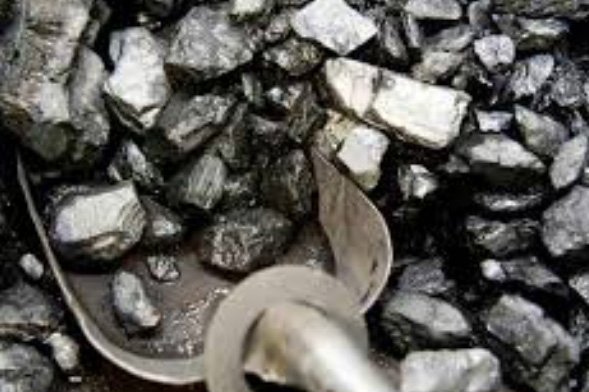
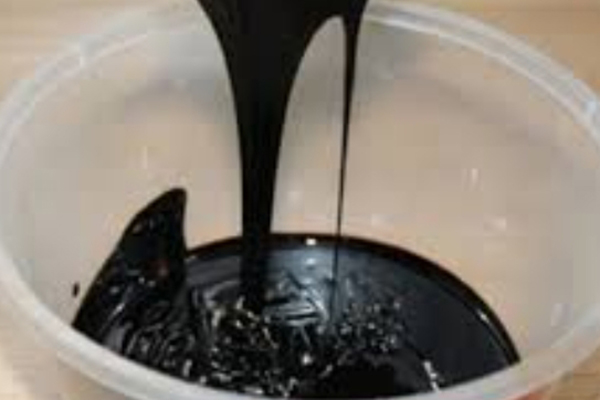
At its core, coal tar is a thick, dark liquid that is a by-product of producing coke and coal gas from coal. It's a complex substance, containing thousands of different chemicals. Now, you might be thinking of the industrial material used in paving or roofing, and you wouldn't be entirely wrong. As someone whose factory produces various grades of coal tar, from industrial-grade high temperature coal tar to refined precursors, I can tell you that the journey from raw coal tar to a medical product is one of extensive purification. The coal tar used in medicine is highly refined to remove many of the harsher components, leaving behind the active ingredients that benefit the skin.
The primary therapeutic effect of coal tar comes from its keratolytic properties. That’s a fancy way of saying it helps the skin shed its dead cells from the top layer and slows down the growth of new skin cells. For skin conditions like psoriasis or seborrheic dermatitis, where cell turnover goes into overdrive, this slowing effect is incredibly beneficial. It helps reduce the scaling, itching, and inflammation that define these frustrating conditions. Think of it as a reset button for your skin's growth cycle, helping it return to a more normal, healthy state.
This unique mechanism is why coal tar has remained a staple in dermatology for so long, even with the advent of newer biologic drugs. It offers a different pathway to relief that can be particularly effective when other treatments have failed. The product works directly on the skin’s DNA to slow down hyper-proliferation, providing a targeted effect on the source of the problem. Many over-the-counter products, from shampoos for scalp conditions to creams for body plaques, leverage this powerful ingredient.
Which Common Skin Conditions Does Coal Tar Treat Effectively?
The most well-known application for coal tar is in the management of psoriasis. This autoimmune condition causes red, scaly patches to appear on the skin due to a rapid buildup of skin cells. The effect of coal tar in slowing down this rapid cell growth directly addresses the core symptom of psoriasis, helping to flatten lesions, reduce redness, and alleviate itching. It can be used for mild to moderate cases and is often a first-line treatment recommended by dermatologists due to its long track record of success.
Beyond psoriasis, coal tar is also highly effective for treating eczema (atopic dermatitis) and seborrheic dermatitis, which is a common condition that causes flaky scales on oily areas such as the face, upper chest, and scalp (commonly known as dandruff). For eczema, it helps soothe the skin and reduce the intense itching and inflammation. For seborrheic dermatitis, its antifungal and anti-inflammatory properties work to control the flaking and redness. When you see shampoos like Polytar or Neutrogena T/Gel, they are specifically designed to deliver coal tar to the scalp to manage these symptoms.
It's important to remember that while coal tar can be very effective, it is a treatment, not a cure. It manages the symptoms of these chronic skin conditions. The goal is to control flare-ups and maintain healthier skin over the long term. My clients in the B2B space, like Mark Thompson, often procure raw materials for different industries, but it’s fascinating to see how a base substance like high-quality, purified coal tar can be processed into a medicine that brings relief to millions of people dealing with persistent skin issues. The versatility of this material is truly remarkable.
What Are the Most Common Side Effects of Using Coal Tar Products?
While coal tar is a valuable medicine, it's not without its side effects. The most common reactions are typically mild and localized to the area where the product is applied. These include skin irritation, a stinging or burning sensation upon application, and redness. Some people may also find that their skin becomes dry or develops a mild rash. These reactions are often temporary and may decrease as your skin gets used to the treatment. It's a bit like your skin needs an adjustment period.
Another very common, though less medical, side effect is its distinct, strong smell and its potential to stain everything it touches. Coal tar can stain clothing, bedding, and even light-colored hair. This is why many people prefer to apply it at night and wear old clothes or use old linens. Formulations have improved over the years to be more cosmetically elegant, but the staining potential remains a practical consideration. For my business, we handle coal tar in bulk, and we know its powerful staining properties well—it’s a messy substance in its raw form!
Finally, one of the most significant side effects of using coal tar is photosensitivity. Coal tar makes your skin much more sensitive to the sun (and other sources of UV radiation, like tanning beds). This means you are more likely to get a sunburn, and this increased sensitivity can last for up to 24 hours after you've applied the product. This is a critical safety point to be aware of and requires proactive protection measures, which we'll discuss in more detail.
How Serious Are the Possible Side Effects and Should You Be Concerned?
For most people, the possible side effects of coal tar are not serious and can be managed easily. Mild irritation, redness, and staining are more of a nuisance than a significant health concern. These issues often resolve on their own or can be mitigated by adjusting how you use the product—for example, applying a thinner layer or using it less frequently. If the irritation is persistent or bothersome, a simple conversation with a pharmacist or doctor can provide advice on whether you should switch to a different formulation or strength.
However, in some rare cases, more severe reactions can occur. These could include a severe burning sensation, significant swelling of the skin, or a widespread rash. This might indicate an allergic reaction to coal tar or another ingredient in the product. Another serious, though uncommon, side effect is folliculitis, which is the inflammation of hair follicles, leading to acne-like bumps. If you experience any of these more severe symptoms, you should stop using the product and seek medical advice promptly.
The key is to pay attention to your skin. You are the best judge of what feels normal and what doesn't. While the risk of a serious reaction is low, being informed about what to look for empowers you to act quickly if needed. The goal of any treatment is to improve your quality of life, not to trade one uncomfortable symptom for another. It's a balance, and understanding the potential risk helps you manage that balance effectively.
A Practical Guide: How to Safely Apply Coal Tar to Minimize Risks
To get the best results and minimize side effects, proper application is key. Before you apply any coal tar cream, lotion, or gel, it's a good idea to test it on a small patch of skin first to see how your skin reacts. When you're ready for a full application, follow these steps:
- Clean and Dry the Area: Gently wash and pat the affected skin dry before applying.
- Apply a Thin Layer: You only need a thin, even layer. Rub it in gently until it's absorbed. Using too much won't make it work faster but will increase the risk of irritation and staining.
- Wash Your Hands: After application, wash your hands thoroughly to avoid spreading it to other areas, especially your eyes.
- Be Patient: Don't use it more often or in larger amounts than recommended on the product leaflet or by your doctor.
One of the most important safety measures is protecting your skin from the sun. Because coal tar increases photosensitivity, you must avoid prolonged sun exposure.
| Do's | Don'ts |
|---|---|
| ✅ Apply sunscreen (SPF 30+) generously | ❌ Don't use tanning beds or sunlamps |
| ✅ Wear protective clothing (hats, long sleeves) | ❌ Don't schedule outdoor activities during peak sun hours |
| ✅ Stay in the shade when possible | ❌ Don't forget to protect treated skin for 24 hours after use |
Following these guidelines can significantly help reduce the risk of sunburn and other side effects. It's about being mindful. In my line of work, safety protocols are everything when handling industrial chemicals. The same principle applies here: following instructions is paramount to ensuring the process is safe and effective. The raw materials we produce, which can come in different forms, such as powders or flakes, undergo rigorous quality checks before they are ever considered for use in applications that affect personal health.
The Big Question: Does Coal Tar Treatment Increase the Risk of Cancer?
This is perhaps the most significant concern people have about using coal tar, and it’s a valid question that deserves a clear answer. The concern arises because crude coal tar contains compounds that are known to be carcinogenic (cancer-causing). Studies of workers with high levels of occupational exposure to industrial-grade coal tar over many years (like roofers or pavement workers) have shown an increased risk of skin cancer. This has led to regulatory bodies like the FDA placing warnings on products containing coal tar.
However, the context of medical coal tar treatment is very different. First, the coal tar used in medicine is refined, and the concentrations are much lower than in industrial settings. Second, the duration and level of exposure for a patient treating a skin condition are vastly different from a worker exposed daily for decades. Numerous studies have looked at the long-term use of medical coal tar for conditions like psoriasis and have not found a conclusive link to an increase the risk of cancer. For example, a large-scale study published in the Journal of Investigative Dermatology followed thousands of patients and found no significant increase in cancer risk from topical coal tar use. You can read more about such studies via the National Psoriasis Foundation.
So, what’s the verdict? The consensus in the dermatological community is that when used as directed for treating skin conditions, the benefits of coal tar far outweigh the theoretical risk. The risk of skin cancer is considered to be very low. Nonetheless, it’s a good practice to have regular skin checks with your doctor, especially if you use coal tar long-term. This proactive approach ensures your overall skin health is monitored, giving you peace of mind.
What Steps Should You Take If You Report a Negative Skin Reaction?
If you start experiencing a negative reaction to a coal tar product, the first and most important step is to stop using it immediately. Don't try to push through the discomfort, as this could worsen the reaction. Gently wash the product off your skin with a mild cleanser and cool water. This will help remove any remaining residue and may soothe some of the immediate irritation or burning.
The next step is to assess the severity. If you're experiencing mild redness or itching, you might not need immediate medical attention. You can try applying a cool compress or a simple, fragrance-free moisturizer to calm the skin. However, if the reaction is severe—meaning you have significant pain, swelling, blistering, or a rash that is spreading—you should contact your pharmacist or doctor for advice. They can assess the situation and recommend the best course of action, which might include an over-the-counter hydrocortisone cream or a prescription treatment.
When you report the reaction, be as specific as possible. Tell your healthcare provider:
- The exact name of the product you used (e.g., Exorex, Alphosyl).
- How long you had been using it.
- A detailed description of your symptoms.
This information will help them determine if it was an allergic reaction or simply irritation. Remember, communication is key. Just as my client Mark needs clear communication to avoid shipment delays, you need clear communication with your healthcare provider to ensure your health and safety.
Can You Use Coal Tar Lotion or Cream During Pregnancy?
The question of using any medicine during pregnancy is crucial, and coal tar is no exception. Generally, it is recommended to avoid using coal tar during pregnancy, especially during the first trimester. While there is no definitive evidence showing that topical coal tar is harmful to a developing baby, there is also not enough research to declare it completely safe. Because some chemicals from the product can be absorbed through the skin and into the bloodstream, most doctors and pharmacists adopt a cautious approach.
If you are pregnant or planning to become pregnant and are currently using a coal tar treatment for a skin condition, it is essential to have a conversation with your doctor. They can help you weigh the potential risks and benefits. In many cases, they may suggest alternative treatments that have a more established safety profile for use during pregnancy. For some, the severity of their skin condition may warrant continued use, but this decision should only be made under medical supervision.
The same advice generally applies to breastfeeding. Small amounts of the chemicals in coal tar may pass into breast milk. To be safe, it's best to discuss this with your doctor. If they determine that you can use it, they will likely advise you to apply it to areas of your skin that the baby will not come into contact with and to wash your hands thoroughly after application. Always check the label and the patient information leaflet for specific warnings related to pregnancy and breastfeeding.
Choosing the Right Product: A Look at Cream, Gel, and Lotion Formulations
Coal tar products come in various formulations, and choosing the right one can make a big difference in both effectiveness and user experience. The main types are shampoos, creams, gels, lotions, and ointments. The best choice often depends on the location and severity of your skin condition.
- Shampoos: These are obviously designed for the scalp. Products like Neutrogena T/Gel or Polytar are mainstays for controlling dandruff, seborrheic dermatitis, and scalp psoriasis. They allow for short-contact therapy, where the coal tar does its job and is then rinsed away.
- Creams and Lotions: Cream and lotion formulations are the most common for treating skin on the body. Lotions (like Exorex) are lighter and more easily absorbed, making them suitable for larger areas. Creams are a bit thicker and more moisturizing, which can be beneficial for dry, flaky skin. They provide a good combination of treatment and hydration.
- Gels and Ointments: A gel is typically a clear, non-greasy formulation that can be less messy than creams. Ointments are the thickest and most occlusive option. They are excellent for locking in moisture and delivering a potent dose of coal tar to very thick, scaly plaques of psoriasis. However, they can also be greasy and may increase the risk of staining.
The concentration of coal tar can also vary, typically ranging from 1% to 5% in over-the-counter products. Higher concentrations may be more effective but also carry a higher risk of irritation. It may be wise to start with a lower concentration to see how your skin tolerates it. It's not unlike the B2B world, where a client like Mark might test a small batch of our modified asphalt for road construction before placing a large order. Starting small and assessing the results is a smart strategy.
Final Summary: Key Takeaways on Coal Tar and Its Effects
Navigating the world of skin treatments can be complex, but understanding the facts about coal tar can empower you to use it safely and effectively. It remains a cornerstone of dermatological treatment for good reason. As we've discussed, its ability to regulate skin cell growth provides significant relief for many.
Here is a summary of the most important things to remember:
- Proven Effectiveness: Coal tar is a highly effective treatment for skin conditions like psoriasis, eczema, and seborrheic dermatitis because it slows down excessive skin cell growth.
- Common Side Effects are Manageable: The most frequent side effects are mild skin irritation, staining of clothes, and an increased sensitivity to the sun. These are usually manageable with proper application and sun protection.
- Sun Protection is Non-Negotiable: Using coal tar makes your skin much more sensitive to UV radiation. Always use a high-SPF sunscreen and protective clothing on treated areas.
- The Cancer Risk is Very Low: Despite concerns, studies on the medical use of refined coal tar have not shown a significant link to an increase the risk of cancer. The benefits are widely considered to outweigh this small theoretical risk.
- Application Matters: Follow the instructions carefully. Use a thin layer, wash your hands, and report any severe reactions to your doctor or pharmacist immediately.
- Consult a Professional: Always talk to a healthcare provider before starting treatment, especially if you are pregnant, breastfeeding, or have widespread or severe skin disease. They can help you choose a suitable product and ensure it's the right choice for your health.
Post time: 06-23-2025