

Hello, my name is Allen, and for years, I've been at the heart of the materials that build our modern world. From my factory in China, we produce and export high-quality Coal Tar Products and Petroleum Coke to clients across the globe, including savvy business owners like Mark Thompson in the United States. I understand that while you are experts in sourcing and sales, the technical nitty-gritty of the products you handle can sometimes be a bit of a black box. That's why today, I want to pull back the curtain on one of the most fundamental materials in construction: liquid asphalt. It’s the unsung hero of the asphalt industry, the essential black glue that holds our roads together. This article will break down exactly what it is, where it comes from, and how it transforms from a simple byproduct into the smooth, durable surfaces we drive on every day.
What Exactly Is Liquid Asphalt?
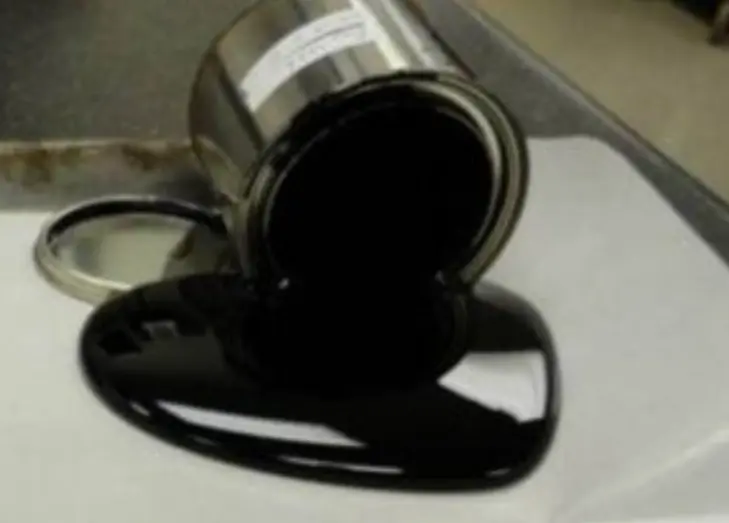
At its core, liquid asphalt is a black, sticky, and highly viscous substance that exists in a liquid or semi-solid form at ambient temperatures. It is the heavy, residual material left over after the lighter components, like gasoline and diesel fuel, have been refined from petroleum crude oil. In the asphalt paving world, you’ll hear it called by several names, but the most technically accurate term is asphalt cement or asphalt binder.
This material is the key ingredient that makes asphalt concrete—the product used to pave our roads—work. Think of it as the glue. On its own, it's just a thick liquid. But when it's heated and mixed with aggregate (a combination of crushed stone, gravel, and sand), it coats every particle and binds them together into a strong, flexible, and durable mass. This mixture is what we correctly call asphalt, and it's used to construct everything from a massive interstate highway to a simple residential driveway. The substance itself is a remarkable natural petroleum product made to withstand immense pressure and fluctuating temperatures.
Where Does Liquid Asphalt Come From? A Journey from Crude Oil
The vast majority of the asphalt used today is a refined product derived from crude oil. However, asphalt occurs naturally in the earth as well. For thousands of years, humans have used these natural sources. You might have heard of the famous La Brea Tar Pits in Los Angeles—that's a famous example of a natural asphalt deposit. These natural bitumen deposits are formed when underground petroleum deposits are forced to the surface, and the lighter components evaporate over time, leaving the thick asphalt behind.
While natural asphalt has been used for centuries, the sheer volume needed for modern roads and runways requires a more industrial source. Today, nearly all asphalt used for paving comes from petroleum crude oil. Special refineries, sometimes called asphalt cement plants, are designed to process specific types of crude oil that yield a high quantity of quality asphalt residue. The source of the crude oil is incredibly important, as different sources produce asphalt binder with different characteristics, which are then selected based on climate and performance requirements.
How is Crude Oil Refined to Create Asphalt Cement?
The creation of asphalt cement is a fascinating part of the oil refining process. It all starts with heating the raw crude oil in a distillation unit. As the temperature rises, the oil separates into its various components, or "fractions," based on their different boiling points.
- Lighter Fractions: The components with the lowest boiling points, like propane and butane, vaporize first and rise to the top of the distillation tower.
- Middle Fractions: As the process continues, fractions like gasoline, kerosene, and diesel oil are separated at various levels of the tower. These are the high-value fuels that drive our transportation sector.
- Heavy Residue: What’s left at the very bottom of the tower is the heaviest, thickest material with the highest boiling point. This thick, black residue is the raw material for asphalt cement.
This residue then undergoes further processing, often using a vacuum distillation process, to remove any remaining volatile elements and refine it into a consistent, high-quality asphalt binder. The final product is a precisely engineered material that meets strict specifications for properties like viscosity, durability, and temperature stability, ready to be used to pave roads. To refine this material properly is both a science and an art.
Is Liquid Asphalt the Same as Tar?
This is one of the most common points of confusion in the industry, and it's an important distinction to make. While both are black and sticky, liquid asphalt and tar are two completely different materials with different chemical origins.
- Asphalt is a petroleum-based product. It is naturally occurring or refined from crude oil. The molecules are primarily hydrocarbons. The asphalt binder used in modern road paving is exclusively this petroleum-derived product.
- Tar is a man-made substance derived from the destructive distillation of organic materials like coal, wood, or peat. Coal tar, for example, is a byproduct of converting coal into coke for the steel industry.
While coal tar was used in the early days to pave roads, it has been almost entirely replaced by the superior performance and consistency of petroleum asphalt. Tar is more sensitive to temperature changes and can be more brittle. Today, when you see a crew laying down black pavement on a highway or in parking lots, you can be certain they are using asphalt, not tar. The terms are often used interchangeably in casual conversation, but in the industry, they are fundamentally different.
What is the Role of the Asphalt Binder in Pavement?
The asphalt binder is the most critical component in any asphalt pavement. While it only makes up about 5% of the total mixture by weight, it performs several essential functions that determine the strength, durability, and lifespan of the entire surface.
Its primary job is to act as a powerful adhesive, binding the aggregate particles together. Without the binder, the mixture would just be a loose pile of rocks and sand. The asphalt binding property creates a cohesive mass that can be compacted into a dense, solid layer. This creates a flexible pavement, which is a key advantage. Unlike rigid concrete, asphalt has the ability to flex slightly under heavy loads, which helps it resist cracking. The binder also makes the pavement waterproof. It fills the tiny voids between the aggregate particles, creating a continuous, impervious layer that prevents water from penetrating into the road's foundation, which is the number one cause of pavement failure.
How is Liquid Asphalt Used to Pave a Road or Driveway?
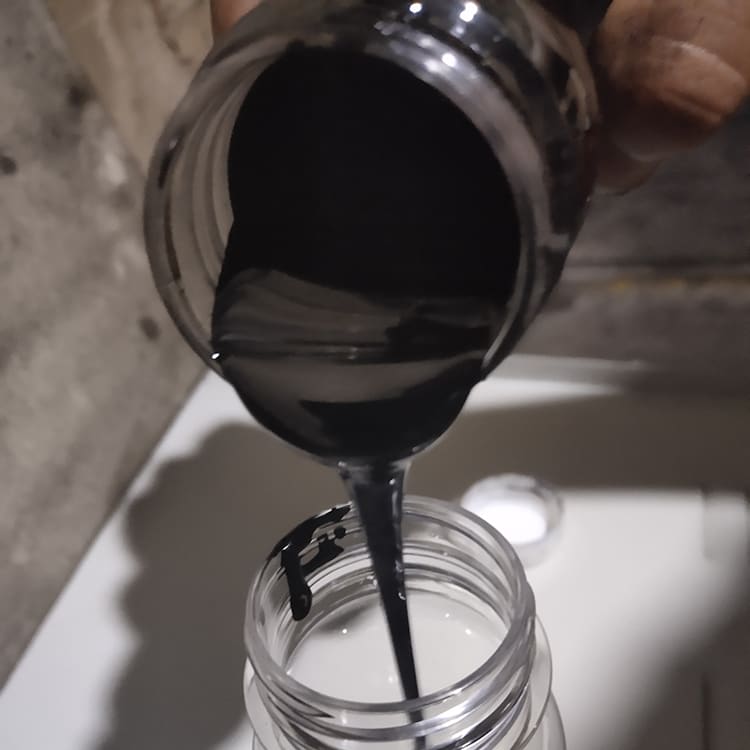
The process of using liquid asphalt cement to pave a surface is a highly coordinated operation that relies on heat and timing. The most common method is called hot-mix asphalt (HMA) paving.
The process begins at an asphalt plant. Here, the aggregate is dried and heated to a high temperature, typically over 300°F (150°C). Separately, the liquid asphalt cement is also heated until it becomes fluid enough to be pumped easily. The hot aggregate and hot asphalt binder are then mixed together in precise proportions. This hot mixture is loaded into insulated trucks to keep it hot during transport to the paving site. A paving machine then spreads the mixture in a uniform layer over the prepared roadbed. Immediately following the paver, a series of heavy rollers compacts the asphalt while it is still hot. This compaction is crucial for creating a dense, strong, and smooth pavement. Once it cools, the finished product is a durable surface ready for traffic.
What Are Asphalt Emulsions and Cutbacks?
While hot-mix asphalt is the standard for creating new asphalt surfaces, there are applications where it's not practical to use such high temperatures. For these situations, the industry uses modified forms of liquid asphalt. The two main types are cutbacks and emulsions.
- Asphalt Cutbacks: These are made by dissolving asphalt cement in a petroleum-based solvent, like gasoline or kerosene. This makes the binder liquid at lower temperatures. When the cutback is applied, the solvent evaporates, leaving the asphalt binder behind to seal the surface. Due to environmental concerns about the evaporating solvents (volatility), their use has become much less common.
- Asphalt Emulsions: This is the more modern and environmentally friendly solution. An asphalt emulsion is created by suspending microscopic droplets of asphalt cement in water with the help of an emulsifying agent (essentially, a type of soap). This creates a stable, low-viscosity liquid that can be sprayed or spread at ambient temperatures. After application, the water evaporates, and the asphalt particles fuse together to form a continuous, waterproof film. This technology, often referred to as “asphalt emulsion,” is widely used for applications like sealcoating, chip seal, and pavement repair.
Why is Sealcoating so Important for Asphalt Pavement?
Once you pave a driveway or parking lot, the job isn't done forever. To protect that investment and maximize its lifespan, regular maintenance is key, and the most important maintenance task is sealcoating. Sealcoating involves applying a thin layer of a protective sealant, typically an asphalt emulsion, over the entire pavement surface.
This thin layer serves as a shield. It seals the tiny pores in the asphalt, preventing water from seeping in and causing damage, especially during freeze-thaw cycles. It also protects the asphalt binder from the oxidizing effects of the sun's UV rays, which can make the pavement brittle and prone to cracking. Finally, it provides a barrier against chemicals like oil and gasoline that can soften and damage the asphalt. A proper sealcoating every 2-4 years can dramatically extend the life of a driveway or parking lot, saving thousands of dollars in costly repairs or the need to resurface prematurely. It's a simple, cost-effective way to seal and protect.
What is the History of Asphalt Use?
The human relationship with asphalt is ancient. The word itself comes from the ancient Greek "asphaltos." As far back as 6,000 years ago, civilizations in Mesopotamia were using natural asphalt (bitumen) as a waterproof mortar for building water tanks and baths. The ancient Egyptians used it in the mummification process. For millennia, its primary use was as a sealant and adhesive.
Its use in road construction is more recent. While some early civilizations used it to bind stones together, asphalt remained in its natural form until the early 1900s. The real catalyst for the modern asphalt industry was the invention of the automobile. As the emerging auto industry created a demand for smoother, more durable roads, engineers began experimenting. They quickly discovered that mixing heated petroleum asphalt with aggregate created a superior surface. This innovation transformed transportation, leading to the vast network of paved roads, highways, alleyways, and parking lots we rely on today.
What is the Future of the Asphalt Industry?
The asphalt industry is constantly evolving to become more efficient, sustainable, and effective. One of the biggest advancements is recycling. Old asphalt pavement can be milled up, reheated, and mixed with a small amount of new asphalt and rejuvenating agents to create a high-quality new asphalt surface. This practice, known as using Reclaimed Asphalt Pavement (RAP), saves an enormous amount of virgin aggregate and binder, reducing both costs and environmental impact.
We're also seeing huge strides in material science. Innovations like advanced materials like polymer modified asphalt create pavements that are more resistant to cracking and rutting. Warm-mix asphalt technologies allow crews to pave at lower temperatures, cutting fuel consumption and emissions. As a High Quality Coal Tar Pitch Factory and Supplier, we are proud to be part of this evolution, providing high-performance high-temperature asphalt binders and innovative products like Asphalt powder that help our clients build stronger, longer-lasting infrastructure. The future is about creating smarter, more resilient, and more sustainable pavement.
Key Takeaways to Remember
- Asphalt is the Binder: Liquid asphalt, or asphalt cement, is the black, sticky glue derived from petroleum that holds the stone, gravel, and sand together in a paved surface.
- It's Not Tar: Asphalt comes from crude oil, while tar comes from coal or wood. Modern roads are paved exclusively with asphalt.
- Heat is Key: The most common paving method involves heating the asphalt binder and aggregate so they can be mixed, laid, and compacted into a dense, durable pavement.
- Maintenance is Crucial: Sealcoating with an asphalt emulsion is the most effective way to protect a paved surface from water, sun, and chemical damage, extending its life significantly.
- Innovation Drives the Future: The industry is moving towards more sustainable practices like recycling and using advanced materials to build better, longer-lasting roads.
Post time: 11-25-2025