

If you manage raw material purchases for major infrastructure projects or manufacturing facilities, you know that balancing costs while maintaining structural integrity is a constant struggle. Finding the perfect additive can literally save your budget and drastically improve the quality of your finished products. This article explores how modifying base materials with natural asphalt and modern asphalt powder transforms standard asphalt mixtures into highly resilient surfaces. We will dive into how these specific materials make the entire process easier and keep maintenance costs low. Reading this guide will give you the technical confidence to negotiate better with suppliers and source the smartest materials for your next big project.
What exactly is natural asphalt, and how does it compare to petroleum-based options?
Asphalt is one of the oldest and most reliable building materials in human history. Most people are familiar with the thick, shiny black petroleum version we see on modern city streets. This traditional form of asphalt involves extracting heavy crude oils and refining them at massive industrial plants. While it is highly effective and heavily relied upon globally, its price and availability are deeply tied to volatile crude oil markets.
However, natural asphalt, frequently referred to as natural bitumen, is found straight in the earth. It is a naturally occurring, solid hydrocarbon that does not require the heavy, expensive refining process associated with modern fuels. Because it has cured underground for millions of years, this unique form of asphalt possesses incredible natural chemical stability. It acts as a remarkably strong binder that grips rocks and aggregates far tighter than many synthetic alternatives. The natural adhesion it provides makes the road incredibly tough against water damage.
Because of its extreme stability, natural asphalt is often blended with standard oil-based binders to upgrade their performance. When you mix them, you achieve the perfect balance. You get the easy workability of modern refined chemistry and the unyielding strength of ancient natural minerals. This powerful combination creates a truly long-lasting surface that resists the damaging effects of harsh weather and heavy traffic loads.
Why are asphalt powder and gilsonite considered the ultimate additive for road construction?
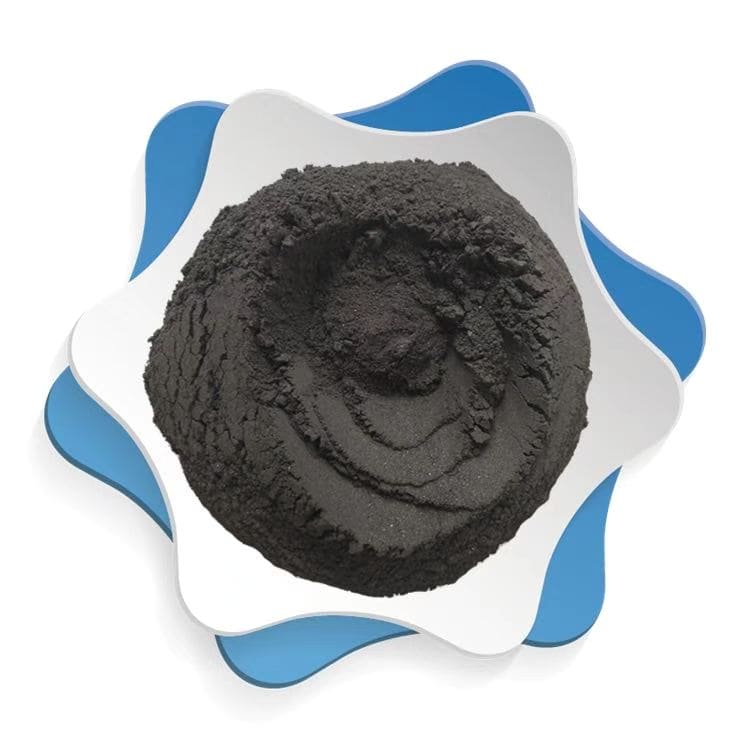
Welcome to the innovative world of asphalt modification! Sometimes, engineers must tweak a standard recipe to make it much stronger for specific, high-stress environments. To achieve this, large, solid chunks of hardened binder are carefully crushed into smaller pieces. They grind the material down continuously until it becomes a highly manageable, fine powder. This specialized asphalt powder dissolves quickly and is extremely easy to mix into massive production tanks without clogging the machinery.
The powder is used widely as a powerful performance-boosting additive across the industry. A very famous and highly sought-after type of this powder is gilsonite. Gilsonite is a highly pure, naturally occurring resin mined directly from the earth. It naturally and rapidly increases the viscosity of a liquid mix, making it significantly thicker, stiffer, and more robust. When you add it to a standard recipe, it helps enhance the entire structural matrix of the pavement.
These unique physical properties make the final product extremely tough and highly resistant to deformation. It plays a crucial role in modern road construction, especially in areas where standard, unmodified materials frequently fail under stress. Utilizing a powdered modifier ensures the road resists rutting and melting, even in the blistering hot summer sun, keeping the surface perfectly flat.
How does proper asphalt paving improve the durability of an asphalt pavement?
Even if you spend a fortune buying the best materials in the world, you must install them correctly to see the benefits. High-quality asphalt paving is a true engineering art form. When large dump trucks deliver steaming hot mix asphalt to the active construction site, the paving crew must work incredibly fast. The material must be flawlessly spread and compacted before the ambient air cools it down too much.
If the crew rolls the surface properly within the correct temperature window, the asphalt pavement becomes incredibly dense and structurally sound. You must ensure the asphalt is packed tight to forcefully squeeze out all the microscopic, hidden air bubbles. A tightly packed, dense surface is naturally waterproof. It aggressively prevents destructive rainwater from soaking into the vulnerable dirt base below. This strict compaction process creates a smooth and resilient driving surface that drivers love.
The long-term durability of the road depends almost entirely on this crucial paving phase. Premium asphalt concrete will only perform well if the heavy steel steam rollers do their job perfectly. Proper installation stops deep water damage and aggressively prevents massive potholes from forming during the freezing winter months.
What are the main advantages of using a natural additive to pave a driveway or highway?
There are several major advantages of using a natural modifier in your mixes. First and foremost, these specialized additives make it an ideal choice for any scale of project, from a small, quiet residential driveway to a massive, bustling interstate highway. By strengthening the core binder, they significantly extend the lifespan of the surface. This means municipalities won't need to completely repave the area for many years, saving millions in tax dollars.
Secondly, utilizing these natural enhancements is highly cost-effective for procurement teams. By strategically adding a small percentage of Asphalt powder, you can safely utilize less expensive base oils without sacrificing the final quality. This saves a massive amount of money on large-scale, high-volume jobs. It provides a highly durable and long-lasting finish that stubbornly resists fading, cracking, and tearing.
Lastly, these unique additives make it ideal for regions that experience extreme, fluctuating climates. A chemically modified asphalt surface stays beautifully flexible in the freezing cold and rigidly stiff in the burning heat. This incredible climate versatility makes it a popular choice among smart, analytical procurement managers who aggressively want to reduce long-term maintenance costs.
How do construction companies enhance asphalt mixtures to prevent a crack under heavy traffic?
Construction companies face a constant, daily battle against the destructive weight of commercial trucks. Fully loaded tractor-trailers cause massive, repetitive stress on the road surface. To aggressively fight this, engineers creatively enhance their standard asphalt mixtures to handle the immense weight. Achieving maximum durability and ability to withstand this continuous, punishing pressure is the absolute top priority for any serious road designer.
To effectively stop a dangerous crack from breaking open, they carefully select the precise type of aggregate. They use angular, strong crushed stone that interlocks tightly under pressure. Then, they use a highly viscous asphalt binder to glue those interlocking rocks permanently together. The road's ability to withstand heavy traffic comes entirely from this perfect, scientific marriage of tough rocks and incredibly stretchy, strong glue.
You must mathematically design the road layer to withstand heavy traffic without bending permanently out of shape. If the road bends too far and snaps, a transverse crack quickly forms. Once destructive water gets deep into that crack, the wear and tear accelerates exponentially. Using high-grade Modified asphalt helps the entire road structure bounce back into its original shape immediately after a heavy truck passes over it.
What are the primary applications of asphalt beyond a standard asphalt surface?
When most people hear the word, they usually just think of a dark road. However, the true applications of asphalt are incredibly huge and varied. It is a highly versatile and widely used material in modern engineering. You will constantly find it deployed in a wide range of applications across many different, unrelated heavy industries.
For example, it is heavily used in the construction of a major commercial airport runway. A busy runway must flawlessly handle the massive, violent impact of heavy airplanes landing every few minutes without forming dangerous ruts. The highly flexible material is also widely used to create a strong, protective seal against pressurized water in large hydroelectric dams and municipal water reservoirs.
The commercial use of asphalt is certainly not just for driving cars on. It is an amazing, naturally occurring waterproofing agent. Its physical traits make it an ideal, impenetrable liner for toxic landfills to strictly protect the local groundwater. Asphalt is used practically anywhere we desperately need to keep water out while safely holding heavy structural loads up.
How does the use of asphalt powder improve the lifespan of an asphalt roof?
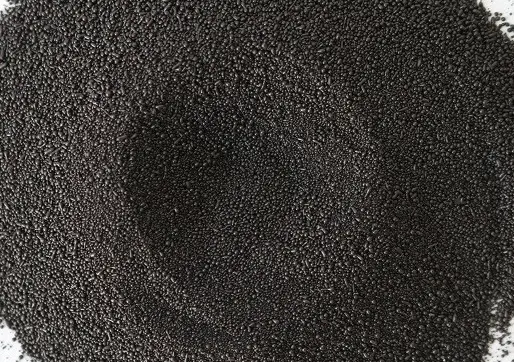
Look up at the houses in your local neighborhood. The industrial use of asphalt powder is incredibly common in the manufacturing of residential roofing shingles. Quality shingles need to be relatively lightweight, highly flexible, and totally waterproof. Adding a specialized, fine powder helps the shingle manufacturer consistently achieve the desired flexibility and tear strength on the production line.
The powder physically helps seal the roof tightly against pounding rain, hail, and heavy winter snow. It creates a highly durable weather barrier that thoroughly protects the fragile wood framing underneath. Because the powder directly extends the total longevity of the roof, homeowners save thousands of dollars on premature replacements. A longer lifespan also means far less construction waste is sent to the local landfill.
By scientifically making the roof last much longer, we actively lower the overall environmental impact of building materials globally. High-quality, modified roofing materials protect families from harsh, unpredictable weather conditions for decades without failing.
Can warm mix asphalt and hot mix asphalt be improved with gilsonite?
Yes, absolutely. Inside a large, modern asphalt plant, the complex asphalt production process is very precise and strictly monitored. First, the raw aggregates are heated to very high temperatures inside a giant, roaring spinning drum to remove all moisture. Then, the hot liquid binder is perfectly sprayed over the tumbling, hot rocks.
Whether the factory is making traditional hot asphalt or eco-friendly warm mix asphalt, you can successfully add powerful modifiers. Adding premium gilsonite to a hot asphalt mixture makes the final placed product significantly stronger. It melts quickly within the drum and blends perfectly and seamlessly with the base petroleum oils.
You can also strategically use it to dramatically improve a cheaper mixture of aggregates that might otherwise be too soft or round for high-speed traffic. By intelligently tweaking the chemical recipe, the overall field performance of asphalt increases dramatically. The final material used becomes much more resilient against brutal summer heatwaves and heavy braking forces at intersections.
What quality control measures should procurement managers use to ensure high-quality pavement?
If you are directly responsible for buying raw materials, you absolutely need strict quality control measures in place. It is deeply important to ensure you get exactly what you paid for, down to the molecular level. A strong, uncompromising commitment to quality saves your company from experiencing very expensive, public failures. You must aggressively demand certified lab testing reports from your suppliers before you ever sign a purchase order.
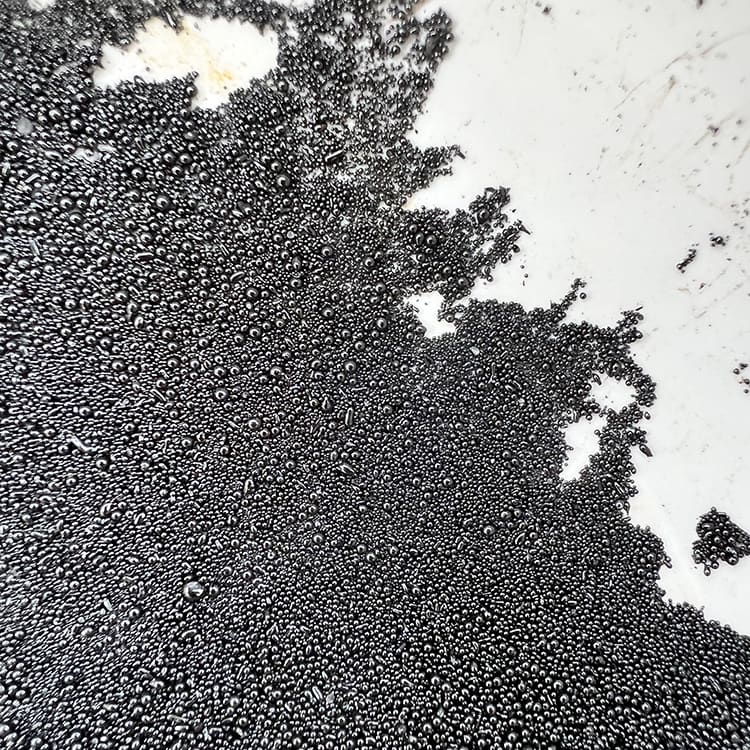
You should always test the raw asphalt cement for precise stiffness, oil absorption, and elasticity. If you are buying bulk Petroleum asphalt flakes to adjust your plant's viscosity, carefully check their melting point and chemical purity. Rigorously inspect the different types of asphalt delivered to the yard to meticulously verify they actually meet your strict local highway department standards.
By firmly enforcing these laboratory checks, you practically guarantee a high-quality, failure-free final product. Do not just blindly trust the shipping label on the bag. Verify the actual chemistry so your hardworking paving crews always have the absolute best possible materials to work with on the street.
Frequently asked questions about the use of asphalt and natural bitumen.
We routinely hear frequently asked questions from curious new buyers and engineers entering the market. Here are a few quick, straightforward answers to help you better understand the available options.
- Can you pave a new layer over an old, broken road?
Yes, you certainly can. You can successfully lay new asphalt directly over the cleaned existing asphalt. This common engineering process is called putting down asphalt overlays. It is significantly faster and much cheaper than tearing up the entire old road completely. - What exactly is an emulsion?
An asphalt emulsion is a specialized liquid mix of binder, water, and an emulsifying soap. It is uniquely sprayed on totally cold. It provides fantastic ease of application for quickly sealing tiny cracks or spraying a protective tack coat on driveways. - Why should I choose natural additives over synthetic ones?
They are a highly ideal choice when you urgently need extra strength but want to avoid buying highly refined, wildly expensive synthetic polymers. They naturally and aggressively resist water stripping and harsh sun damage, making them incredibly reliable.
Summary and Key Takeaways
- Natural asphalt and premium gilsonite offer incredible natural strength and act as the perfect additive to stop roads from rutting.
- Using fine asphalt powder helps smart engineers easily enhance the viscosity and the gripping adhesion of standard binders.
- Excellent asphalt paving requires rapid, heavy compaction to keep the finished pavement completely waterproof.
- Scientifically modifying your mixes directly extends the functional lifespan of a busy highway, an airport runway, or even a residential roof.
- Procurement managers must aggressively use strict quality control measures to scientifically verify the durability of the raw materials they buy.
Post time: 03-26-2026