

Coal tar has been a cornerstone in dermatological treatments for over a century, particularly for chronic skin conditions like psoriasis and eczema. This article delves into the multifaceted world of coal tar topical applications, exploring how this traditional medicine works, its various forms, benefits, potential side effects, and safety considerations. Whether you're newly diagnosed, exploring treatment options, or simply seeking reliable information, understanding coal tar can empower you to make informed decisions about your skin health alongside your healthcare provider. Discover why this time-tested remedy remains relevant today.
1. What Exactly is Coal Tar and How is it Used Medicinally?
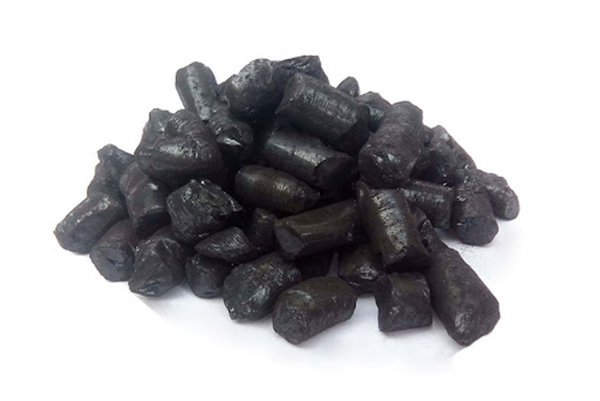
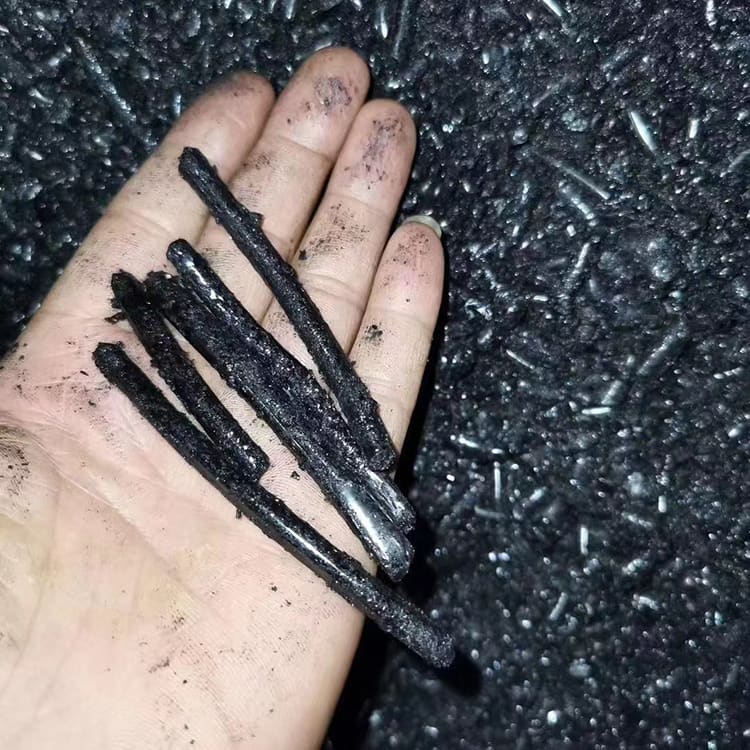
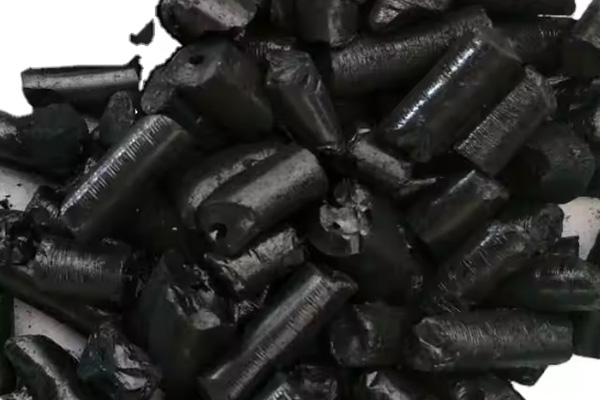
Coal tar is a thick, dark, viscous liquid derived as a byproduct of the carbonization of coal, a process often associated with coal gas production or coal gasification. Industrially, its derivatives like coal-tar pitch are vital raw materials. For instance, our factory specializes in high-quality coal tar products, including various grades used by industries worldwide. While crude coal tar contains thousands of compounds, the coal tar used in medicine undergoes significant refinement and processing to create standardized coal tar preparations suitable for topical application.
Historically, dermatologists have been prescribing coal tar for well over 100 years to treat psoriasis and other inflammatory skin conditions. Its use stems from observations of its effectiveness in reducing inflammation, itching, and scaling. Coal tar medicine may be formulated into various products like creams, ointments, lotions, shampoos, and bath solutions, allowing targeted treatment for different body areas and severities of conditions. The specific strength of coal tar in these products varies, impacting their potency and potential for irritation.
Understanding the source helps appreciate the complexity. Industrial coal tar and its volatile components (coal tar pitch volatiles) are handled with specific safety protocols due to potential occupational exposure to coal tar. However, medicinal coal tar extract is carefully prepared to maximize therapeutic benefits while minimizing risks when used on the skin as directed by your doctor or according to product instructions. It remains a valuable tool in the dermatological arsenal.
2. Which Skin Conditions Benefit Most from Coal Tar Treatment?
Coal tar is primarily recognized for its effectiveness in managing chronic inflammatory skin conditions. The most common conditions where coal tar is used include:
- Psoriasis: This is perhaps the most well-known application. Coal tar helps treat psoriasis by reducing the redness, itching, flaking, and scaling associated with psoriatic plaques. It's effective for various types, including plaque psoriasis and scalp psoriasis.
- Seborrheic Dermatitis: Often affecting the scalp, face, and chest, this condition causes flaky scales, redness, and dandruff. Coal tar shampoo is a common treatment approach. Psoriasis and seborrheic dermatitis can sometimes present similarly, but coal tar is beneficial for both.
- Eczema (Dermatitis): Certain types of eczema or dermatitis may respond well to coal tar treatment, particularly those characterized by itching and thickened skin. It helps soothe inflammation and reduce the urge to scratch.
While these are the main indications, coal tar may also be incorporated into treatment plans for other less common itchy or scaly skin conditions, always under the guidance of a healthcare professional. It's important to note that coal tar should generally not be applied to the skin that is broken or infected skin unless specifically advised by a doctor, as this could worsen irritation or lead to complications. Its ability to treat skin conditions such as psoriasis effectively has cemented its place in dermatology.
3. How Does Coal Tar Work to Alleviate Psoriasis Symptoms?
The exact mechanism by which coal tar works isn't fully understood, given its complex mixture of compounds. However, research suggests several ways it helps treat psoriasis and related skin conditions. Primarily, coal tar appears to slow down the growth of skin cells. In psoriasis, skin cells multiply much faster than normal, leading to the buildup of thick, scaly patches. By moderating this rapid turnover, coal tar helps reduce scaling and plaque thickness.
Furthermore, coal tar possesses anti-inflammatory properties. It helps reduce the redness, swelling, and discomfort associated with inflammatory skin diseases like psoriasis or eczema. This anti-inflammatory action contributes significantly to relieving itchiness, a major and often debilitating symptom for patients with psoriasis. By calming the skin, it helps break the itch-scratch cycle that can worsen the condition.
Coal tar can also have antipruritic (anti-itch) and keratolytic (scale-lifting) effects. It helps soften and loosen the scales, making them easier to remove, leading to smoother skin. When prescribing coal tar, dermatologists leverage these combined actions – slowing cell growth, reducing inflammation, and alleviating itch – making it a comprehensive approach for managing symptoms, especially in cases of difficult-to-treat psoriasis.
4. What Are the Different Forms of Coal Tar Topical Products Available?
Medicinal coal tar is available in a wide array of topical formulations, allowing treatment to be tailored to the specific skin condition, affected body area, and patient preference. The concentration or strength of coal tar varies significantly between these coal tar products, typically ranging from 0.5% to 5% or even higher in specialized preparations. Common forms include:
- Ointments and Creams: These are often used for treating plaques on the body. Ointment bases are typically greasier and provide more moisturization, which can be beneficial for very dry, thick scaling. Coal tar cream formulations are usually less greasy and may be preferred for daytime use.
- Lotions: These are lighter than creams or ointments and are easier to spread over larger areas. Some lotions contain alcohol and are flammable, so care must be taken to use near heat sources.
- Shampoos: Specifically designed for scalp psoriasis and seborrheic dermatitis, coal tar shampoo helps reduce scaling, itching, and inflammation on the scalp. Using a coal tar shampoo typically involves leaving it on the scalp for a few minutes before rinsing.
- Gels: Gels are often clear, less greasy, and may be preferred for facial or hair-bearing areas.
- Bath Solutions: Adding coal tar solution to bathwater can help treat widespread psoriasis by allowing the medicine to contact large areas of the skin to treat.
The choice of product often depends on the location and severity of the skin condition. For example, an ointment might be suitable for thick plaques on elbows, while a shampoo is the logical choice for the scalp. Always follow the specific directions on the label or your doctor's instructions when using any coal tar product. Understanding the different forms helps in selecting the most appropriate coal tar topical application.
5. Can I Safely Use Coal Tar Preparations on My Scalp?
Yes, coal tar preparations are commonly and effectively used to treat conditions affecting the scalp, primarily scalp psoriasis and seborrheic dermatitis. Specialized coal tar shampoo formulations are widely available over-the-counter and by prescription for this purpose. These shampoos are designed to reduce the characteristic scaling, flaking, itching, and inflammation on the scalp.
When using a coal tar shampoo, it's important to follow the product instructions carefully. Typically, this involves:
- Wetting the hair and scalp thoroughly.
- Applying the shampoo and massaging it into the scalp.
- Leaving the shampoo on the scalp for a specified period, often around 5 minutes, to allow the coal tar to work.
- Rinsing thoroughly.
Some people may find the odor of coal tar shampoo strong, though many modern formulations have improved scents. It can also stain light-colored hair, clothing, and surfaces, so care should be taken during application and rinsing. As with other coal tar products, skin irritation on the scalp is possible, especially with higher concentrations. If significant irritation occurs, usage should be discontinued, and a doctor consulted. Using coal tar on the scalp is a mainstay treatment for these common and often bothersome conditions.
6. What Are the Possible Side Effects When You Use Coal Tar?
While generally considered safe when used correctly, coal tar topical treatments can cause possible side effects. Most side effects may be mild and manageable, but it's important to be aware of them. The most common possible side effects include:
- Skin Irritation: This is the most frequent side effect, manifesting as redness, stinging, or burning where the medicine is applied to the skin. Skin irritation is more likely with higher concentrations of coal tar or on sensitive skin areas.
- Staining: Coal tar can stain skin, hair (especially blonde or gray hair), clothing, bedding, and bathroom fixtures. Stains on the skin usually wear off over time, but fabric stains can be permanent.
- Folliculitis: Inflammation of the hair follicles, appearing as small, red bumps or pustules, can sometimes occur, particularly with occlusive use (covering the treated area).
- Unpleasant Odor: Traditional coal tar products have a characteristic strong smell, which some people find unpleasant. Newer formulations often have masking fragrances.
- Sun Sensitivity (Photosensitivity): Coal tar can make you more sensitive to the sun. This increased sun sensitivity means you are more likely to get sunburned. It's crucial to protect treated skin from direct sunlight and UV sources (like tanning beds) during treatment and for at least 24 hours after application.
Serious side effects are rare but possible. If you experience severe skin irritation, blistering, allergic reactions (rash, hives, difficulty breathing, swelling of the face/lips/tongue/throat), or signs of skin infection, stop using the product and seek medical attention immediately. Patients may report side effects to their doctor or pharmacist. You can also report side effects to FDA directly; the FDA number is 1-800-FDA-1088. Most mild side effects that continue or are bothersome should also be discussed with your healthcare provider. Understanding these possible side effects helps in managing coal tar treatment safely.
7. Is There a Genuine Risk of Cancer Associated with Coal Tar Use?
The question of whether coal tar increases the risk of cancer, particularly skin cancer, is a significant concern for many patients and healthcare providers. This concern arises primarily from studies involving high levels of occupational exposure to coal tar (e.g., in industries working with coal tar or coal-tar pitch) and studies on animals exposed to high concentrations of crude coal tar. These have shown a link between such exposures and an increased risk of cancer.
However, translating this risk of cancer to the topical use of refined medicinal coal tar for skin conditions is complex. Numerous studies over decades have looked at patients with psoriasis using coal tar preparations. While some older or smaller studies hinted at a potential increased risk, larger, more recent, and well-designed epidemiological studies have generally not found a significant increase in the risk of skin cancer among patients using coal tar treatments as prescribed for conditions like psoriasis. The concentrations used medicinally are much lower than those in industrial settings, and the duration and area of exposure are typically limited.
Despite the reassuring data from many studies, regulatory bodies and healthcare providers still advise caution. The theoretical risk, although considered very low by many experts for typical therapeutic use, cannot be entirely dismissed, especially with long-term use or use over large body surface areas. Therefore, it's recommended to:
- Use coal tar products only as directed by your doctor or the label.
- Avoid applying to sensitive areas like the genitals or rectum unless specifically instructed.
- Protect treated skin from excessive sun exposure due to sun sensitivity.
- Discuss any concerns about the risk of cancer with your dermatologist, who can weigh the benefits against the potential risks in your specific situation.
Ultimately, for many patients with psoriasis or seborrheic dermatitis, the benefits of coal tar in controlling their symptoms often outweigh the theoretical risks when used appropriately.
8. How Should I Properly Apply Coal Tar Medicine for Best Results?
Proper application is key to maximizing the effectiveness of coal tar medicine and minimizing possible side effects. Always follow the specific directions on the label of the coal tar product you are using, or the instructions given by your doctor or pharmacist. General guidelines often include:
- Frequency: Apply the medicine exactly as prescribed. Do not use it more often or for longer than recommended. Typically, applications are once or twice daily. For shampoos, usage might be a few times per week.
- Area: Apply coal tar only to the affected areas of the skin to treat. Avoid contact with eyes, mouth, genitals, and rectal areas unless specifically directed. Do not apply to severely inflamed, broken or infected skin.
- Amount: Use a thin layer and gently rub it in, unless otherwise directed (e.g., shampoos or bath additives).
- Hygiene: Wash your hands before and after applying coal tar, unless your hands are the area being treated.
- Sun Protection: Remember that coal tar increases sun sensitivity. Protect treated areas from sunlight and UV light (sunlamps, tanning beds) during treatment and for at least 24 hours after application. Wear protective clothing and use sunscreen on exposed treated areas if you must be outdoors. Avoid taking other medicine that makes you more sensitive to the sun without consulting your doctor.
- Staining: Be mindful of potential staining. Wear old clothes after application, protect bedding, and rinse bathtubs thoroughly after using bath additives.
- Flammability: Some coal tar lotions or solutions contain alcohol and are flammable. Avoid smoking and use near heat sources or open flames after applying these products.
Consistency is important. Your symptoms should improve within 4 weeks of starting treatment, although it may take longer for full effect. If your condition doesn't improve or worsens, talk to your pharmacist or doctor. Proper application helps ensure you get the most benefit from your coal tar treatment while managing risks like skin irritation.
9. What Happens if I Miss a Dose or Use Coal Tar Too Often?
Consistency is important when using coal tar topical treatments for skin conditions like psoriasis. If you miss a dose, apply it as soon as you remember. However, if it is almost time for your next dose, skip the missed dose and resume your regular schedule. Do not apply extra medicine to make up for the missed one. Applying double doses does not usually improve effectiveness and may increase the risk of side effects like skin irritation.
Conversely, you should not use it more often or apply more coal tar than prescribed or recommended on the label. Overuse does not typically speed up healing and significantly increases the strength of coal tar exposure on your skin. This heightened exposure raises the likelihood of experiencing possible side effects, such as:
- Increased skin irritation, redness, burning, or stinging.
- Higher potential for folliculitis.
- Greater risk related to sun sensitivity.
Using too much coal tar over a long period, especially potent formulations, could theoretically increase systemic absorption, although this is generally low with topical use. If you accidentally apply too much or use it more often than directed and experience significant discomfort or worrying symptoms, contact your doctor or pharmacist for advice. Following the prescribed dosage schedule is the safest and most effective way to use coal tar as part of your treatment plan that includes managing psoriasis or eczema.
Coal tar can be used for extended periods to manage chronic skin conditions like psoriasis, often as part of a long-term treatment plan. Many patients use coal tar intermittently or continuously for years to keep symptoms under control. While generally safe for long-term use when applied correctly, regular monitoring by a dermatologist is advisable to watch for any potential side effects and assess ongoing effectiveness. Concerns about the risk of skin cancer, although low with therapeutic use, are sometimes discussed in the context of very prolonged, heavy use.
Coal tar is often used in combination with other psoriasis treatments to enhance efficacy or target different aspects of the disease. Coal tar alone might be sufficient for mild cases, but moderate to severe psoriasis often requires a multi-faceted approach. Common combinations include:
- With Corticosteroids: Alternating or combining coal tar with topical corticosteroids can improve results and potentially reduce the amount of steroid needed.
- With Salicylic Acid: Salicylic acid helps remove scale, which can improve the penetration and effectiveness of coal tar. Some coal-tar products already include salicylic acid.
- With Phototherapy (UVB): The Goeckerman regimen, a classic psoriasis treatment, involves applying coal tar followed by exposure to ultraviolet B (UVB) light. Coal tar makes the skin more receptive to UVB, enhancing the therapeutic effect. This requires careful medical supervision due to increased sun sensitivity.
- With Systemic Medications: For severe psoriasis, topical coal tar might be used alongside systemic medications (pills or injections) to manage localized persistent patches.
Your dermatologist may prescribe coal tar as part of a comprehensive strategy tailored to your specific needs. For reliable, high-quality industrial coal tar derivatives used in various applications, consider reaching out to established suppliers like us. While our focus is B2B supply of materials like Medium temperature asphalt block and Ball pitch, understanding the full spectrum of coal tar applications, including its vital role in medicine, highlights its versatility. Always discuss your full treatment plan with your healthcare provider, especially if you use coal tar to treat your condition alongside other therapies.
Key Takeaways on Coal Tar Treatment:
- What it is: Coal tar is a byproduct of coal processing, refined for medicinal use to treat inflammatory skin conditions.
- Conditions Treated: Primarily used for psoriasis, seborrheic dermatitis, and some forms of eczema.
- How it Works: Slows rapid growth of skin cells, reduces inflammation, and alleviates itching and scaling.
- Forms: Available as shampoo, ointment, cream, lotion, gel, and bath solutions, with varying strength of coal tar.
- Common Side Effects: Skin irritation, staining of skin/clothes, potential folliculitis, and increased sun sensitivity. Serious side effects are rare.
- Safety: Generally safe for topical use when applied as directed. Protect skin from sun. Long-term studies show a low risk of skin cancer with typical therapeutic use, but discuss concerns with your doctor.
- Application: Follow label directions or doctor's orders carefully. Apply a thin layer to affected areas, avoid broken skin/sensitive areas unless directed, and be mindful of staining and flammability (for some lotions).
- Dosing: If you miss a dose, apply it when remembered unless near the next dose time (then skip the missed dose). Do not use it more often than prescribed.
- Combination Therapy: Often used effectively alongside other treatments like corticosteroids, salicylic acid, or phototherapy as part of a comprehensive treatment plan.
- Consultation: Always consult your doctor or pharmacist (speak to your pharmacist) for diagnosis, treatment recommendations, and management of side effects. Report side effects to FDA if necessary (1-800-FDA-1088).
Post time: 03-28-2025