
Welcome to your comprehensive guide on some of the world's most critical industrial materials. If you work in supply chain management, manufacturing, or heavy industry, you deal with complex chemicals every day. You likely want to know how raw resources transform into the high-tech components that power our world. This article breaks down everything you need to know about coal tar, pitch, and their many derivatives. By reading this, you will gain a clear understanding of how these substances are made, why they are so valuable, and how to source them effectively.
We will explore the entire journey of these materials. You will learn about the intense heat of coke ovens and the precise chemistry of carbon fibers. Let's dive in and demystify these essential industrial components.
What exactly are coal tar and coal-tar pitch?
To understand industrial manufacturing, we must start at the very beginning. The journey starts with coal, a fossil fuel pulled directly from the earth. When factories process this mineral, they create a thick, heavy, and dark liquid. This liquid is coal tar. It is heavy, sticky, and possesses a very distinct, sharp odor.
When engineers take this liquid and heat it up to boil off the lighter chemicals, a solid, black residue remains. This solid leftover is pitch. Specifically, when it comes from the coal process, we call it coal-tar pitch. It looks like black glass when it is cold, but it flows like thick honey when heated. As a fundamental raw material, it has incredible binding properties that hold other materials together tightly.
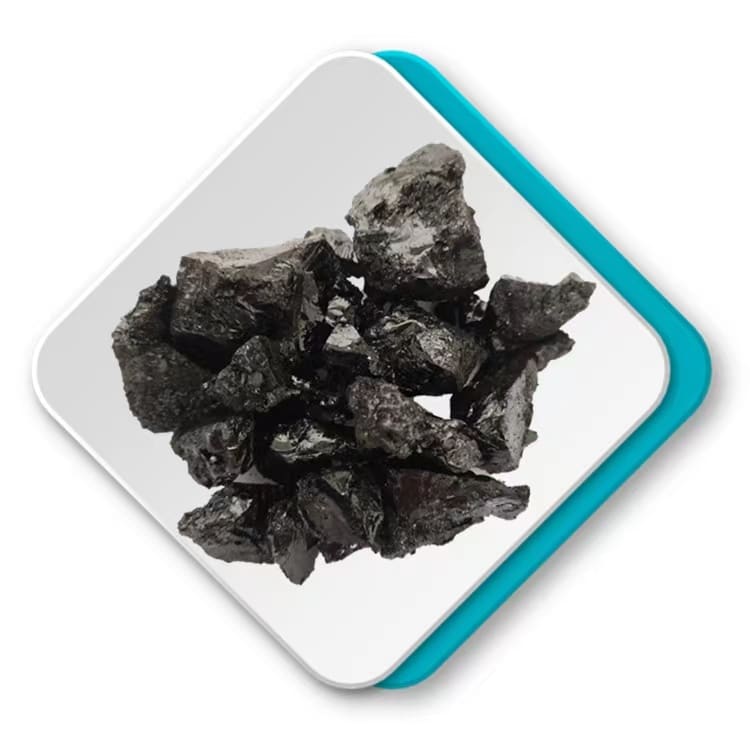
In the industrial buying world, professionals know that coal tar and coal-tar pitch are entirely different from basic petroleum products. While oil refineries produce similar-looking asphalt, the chemical backbone of coal derivatives is much stronger. For top-tier performance, especially when extreme heat is involved, working with a high quality coal tar pitch factory and supplier is absolutely essential for keeping your production lines running smoothly.
How does the production of coke generate these materials?
The creation of these heavy liquids is actually an accident of sorts. It all begins with coke production. In the steel industry, huge factories need extremely pure carbon fuel to melt iron ore. Regular coal burns too dirty and unevenly for this job. So, they bake the coal in a massive, oxygen-free furnace.
This baking process is called the production of coke. As the coal gets incredibly hot, it does not catch fire because there is no oxygen. Instead, it melts and releases trapped gases and moisture. The hard, porous rock that remains in the oven is metallurgical coke. Meanwhile, the hot gases escape through pipes. When these gases cool down, they condense into a thick liquid. That condensed liquid is the tar.
Therefore, the heavy black liquid is actually a highly valuable by-product. It is literally produced from coal during the high-heat baking process. Without the global demand for steel, we would not have the massive supply of these heavy liquids that we rely on today.
What is the true composition of coal tar?
If you were to look at the composition of coal tar under a powerful microscope, you would see a very crowded neighborhood of molecules. It is not just one chemical; it is a mixture of hundreds of different substances. Scientists have mapped out many identified compounds inside this liquid. Most of these molecules are structured in tight rings, which chemists call aromatic rings.
The heavy organic mass contains some famous chemicals. For example, it holds naphthalene, which you might recognize as the main ingredient in old-fashioned mothballs. It also contains anthracene, a crucial building block used to create bright dyes and pigments. You will also find phenol and various complex heterocyclic compounds.
"Every single hydrocarbon molecule in this mixture plays a role in how the final product behaves under stress."
Because of this complex chemistry, the solubility of these materials can vary greatly. Some parts dissolve easily in chemical solvents, while others remain stubbornly solid. Understanding this chemistry helps buyers select the exact right grade for their specific factory needs.
Why is pitch coke so critical for industrial applications?
Sometimes, regular coke is not pure enough. When engineers take highly refined pitch and bake it again at an extremely high temperature, they create something special. They create pitch coke. This is a premium version of standard coke, famous for having almost zero ash or dirt inside it.
Because of its extreme purity, it is the number one choice for making a high-quality electrode. Many advanced industrial applications demand this specific type of electrode coke. Think about massive electric arc furnaces that melt scrap metal. They need electrodes that can conduct huge amounts of electricity without snapping or melting away.
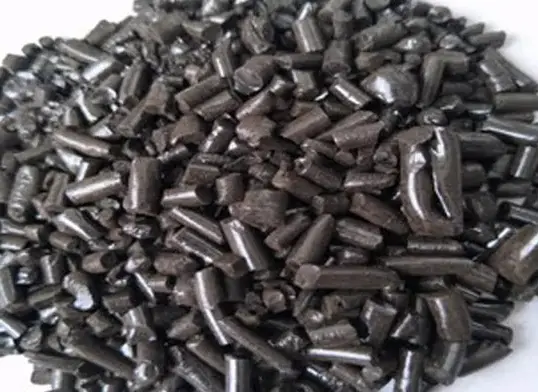
This makes it a vital component in the world of advanced carbon materials. Factories go to great lengths to source materials like high temperature coal tar to ensure their final carbon products can withstand the most brutal factory conditions on earth.
How do coal tar and petroleum pitches compare as a binder?
A common question among factory managers involves choosing the right glue for their products. They constantly compare coal tar and petroleum pitches. Both of these sticky substances act as excellent adhesives for dry carbon particles. However, they behave differently when pushed to their limits.
When you bake these materials, they turn into solid carbon. Coal tar pitch typically leaves behind a higher amount of solid carbon than petroleum versions. This makes it the ultimate binder. When factories press dry carbon dust together to form an anode or a cathode, they mix the dust with this liquid binder.
The liquid flows into all the tiny, microscopic gaps. Later, when the whole block is baked, the binder turns into solid carbon rock. It locks the entire structure together in an unbreakable grip. While petroleum alternatives are cheaper, coal-derived binders provide the extreme density and strength required for heavy-duty electrical components.
What role do these materials play in the steel industry and aluminum smelting?
Heavy industries would collapse without these dense carbon products. We already know the steel industry relies on them, but the aluminum industry is equally dependent. You simply cannot make aluminum metal without massive carbon blocks.
The process of aluminum smelting uses powerful electrical currents. This requires a consumable carbon electrode called an anode. During aluminum production, factories blend dry petroleum coke with a sticky pitch binder. This mixture is formed into blocks the size of small cars and baked until solid.
These massive blocks carry electricity directly into the smelting pots to separate the aluminum metal from its ore. As the aluminum is made, the carbon block slowly burns away. This means factories must constantly buy new raw materials to press new blocks. Products like coal tar pitch flakes are shipped globally by the thousands of tons just to keep aluminum plants running every single day.
Are environmental exposures a major concern with polycyclic aromatic hydrocarbons?
We must talk about health and safety. The processing of these heavy liquids raises valid questions about environmental exposures. Around the world, coal tar is used in thousands of factories, but it contains chemicals known as polycyclic aromatic hydrocarbons (often abbreviated as pahs).
Some of these compounds can be harmful if humans breathe them in or touch them constantly without protection. For example, creosote is an oily liquid distilled from the tar. It is famous for protecting wooden railroad ties from rotting. However, the handling of creosote and coal-tar pitch is strictly regulated by safety agencies.
Modern factories take this very seriously. They use enclosed, sealed systems to ensure that vapors, fumes, and dust do not escape into the air. Workers wear specialized protective gear. By treating the material with respect and using modern ventilation, industries safely harness these powerful chemicals without harming their workforce or the surrounding environment.
How does heat treatment affect the physico-chemical properties of pitch?
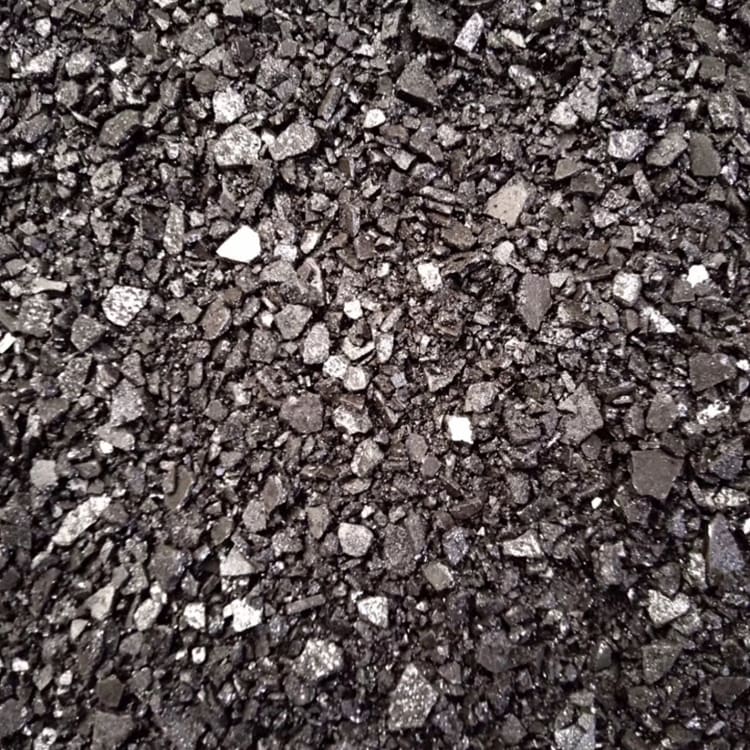
When you apply a specific heat treatment to these black blocks, magic happens at the molecular level. Engineers closely monitor the softening point. This is the exact temperature where the hard, glass-like solid turns into a flowing liquid. It is one of the most vital physico-chemical properties that quality control teams test.
As you heat the material further, you trigger a process called carbonization. The messy, random molecules begin to align in straight rows. This heat causes the development of mesophase, which is essentially a liquid crystal state. Imagine turning a pile of scattered bricks into a perfectly built wall.
This transformation dramatically alters the structural features of the material. It reduces the porosity (the amount of empty holes) in the final carbon block. The result is a highly ordered, incredibly dense carbon structure that can conduct electricity beautifully and resist extreme wear and tear.
Can we create advanced carbon materials and carbon fibers from these precursors?
Yes, we absolutely can. While most people think of these materials merely as cheap energy fuels, they are also the starting point for high-tech engineering. Highly refined pitch acts as the perfect precursor for manufacturing advanced aerospace components and composite materials.
For instance, scientists can spin this specialized liquid into incredibly strong carbon fibers. These fibers are then woven into mats and coated in resin. They end up in airplane wings, high-end bicycles, golf clubs, and giant wind turbine blades.
The production of carbon at this elite level relies entirely on mastering the chemistry of the raw tar. It proves that what starts as a sticky, smelly by-product of the steel industry can be transformed into the lightest, strongest materials known to modern science.
What is the future of coal-tar pitch modified products as energy fuels?
The future looks bright and highly innovative. We are currently seeing a rise in coal-tar pitch modified products. By tweaking the chemistry in the lab, engineers create binders that perform even better under extreme factory stress.
For certain specialized jobs, engineers might specify a low-temperature coal tar pitch, which melts and flows easier than its high-temperature cousins. Additionally, as technologies like coal gasification become more advanced, the way we extract and utilize this feedstock will shift. We will get better at pulling exact molecules out of the mix.
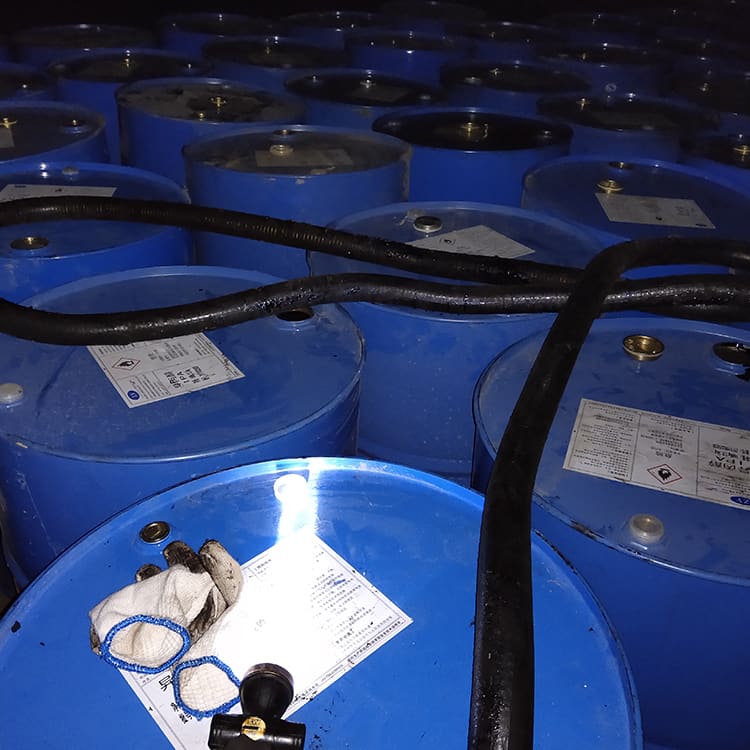
In the future, we might see less of this material burned directly as fuel. Instead, more of it will be transformed into high-value batteries, graphite components, and structural fibers. Whether you are buying ball pitch for an aluminum plant or specialized binders for high-tech composites, this industry is evolving rapidly to meet modern demands.
Summary
Navigating the complex world of heavy industrial chemicals can be challenging. However, understanding the core materials gives procurement managers a massive advantage in the global market.
Here are the most important things to remember from this guide:
- The Origins: These heavy liquids are primarily generated as a by-product of baking coal into metallurgical coke for the steel industry.
- The Chemistry: The liquid is packed with complex ring-shaped molecules, including naphthalene and anthracene, which define its unique behavior.
- The Ultimate Glue: Pitch serves as an unmatched binder, holding dry carbon together to create massive electrodes for aluminum smelting.
- Petroleum Differences: While oil-based alternatives exist, coal-derived binders generally offer higher carbon yields and superior density after baking.
- Safety First: Modern factories easily manage environmental exposures to PAHs through strict safety protocols and closed-loop manufacturing.
- High-Tech Horizons: Beyond basic smelting, refined versions of these materials are spun into cutting-edge carbon fibers for the aerospace and sporting goods industries.
By keeping these facts in mind, you can make smarter, more cost-effective sourcing decisions for your manufacturing needs.
Post time: 06-24-2026