

Summary: Have you ever watched a road crew lay down a fresh, smooth black road? The secret to that perfect surface is not just the heavy machines. It is all about the heat. This article explores the fascinating science of asphalt paving. We will look at how temperature controls everything from how the mix is made to how long the road lasts. We will also dive into smart innovations like warm mix asphalt and eco-friendly permeable designs.
Why read this? If you manage big material budgets or buy chemicals and raw materials, understanding the lifecycle of paved surfaces helps you control your bottom line. Bad roads cost money. Good roads save money. Read on to learn how to make the best, most cost-effective paving choices.
We often drive over millions of miles of roads without ever stopping to think about what is under our tires. Yet, the black stuff that connects our cities is an engineering marvel. It is a carefully balanced recipe of rocks, sand, and sticky black glue. Building a smooth, quiet road is a massive challenge. You are racing against time, weather, and physics. The biggest factor in this race? Heat. Without the right heat, everything falls apart. Let's break down the science of road building and explore why getting the heat just right is the ultimate key to success.
Why is temperature the primary consideration for any asphalt mix?
To put it simply, heat makes things move. The dark, sticky glue holding a road together is called bitumen. At room temperature, it is a solid block. It is hard and stiff. To mix it with dry rocks (called aggregate), you must melt it. That requires serious heating.
The overall temperature is the most important consideration for any project. It controls how the binder flows. If the liquid is too cold, it will not coat the rocks evenly. If it is too hot, it can actually burn and ruin the chemical bonds. For every single batch, a plant operator must tightly control the heat. This basic rule of understanding asphalt applies to everything from tiny residential driveways to commercial spaces.
Once the truck leaves the plant, the clock starts ticking. The mix begins to cool down immediately. The outside air temperature and the surface temperature of the ground both suck the heat right out of the material. A smart contractor constantly monitors the weather. If it is a freezing day, they know the job will be incredibly difficult. Getting the heat right ensures the workability of the material stays high, making it easy to spread and smooth out.
How does hot mix asphalt (HMA) differ from warm mix asphalt (WMA)?
For decades, the standard way to build roads was using hot mix asphalt. The industry calls this hma. To make this, plants heat the rocks and the glue to extremely high levels. The production temperatures often reach between 150 and 190 °c (degrees celsius). That is incredibly hot!
However, technology is always getting better. Scientists created a newer method called warm mix asphalt. People usually just refer to it as wma. The big difference is that wma is produced at much lower temperatures. It is mixed significantly cooler than traditional hma. You might wonder, how is that even possible? If it is cooler, wouldn't it be too stiff to use?
The secret lies in the chemistry. Plants add a special additive to the recipe. These chemicals act like a lubricant. They allow the rocks and glue to slide together easily without needing maximum heat. Because the plant uses less fire to heat the rocks, the process results in lower fuel consumption and lower emissions. It is much better for the environment. Plus, handling hot materials is safer for the workers when the heat is reduced.
What happens when the mix cools too fast before we pave?
Time is the biggest enemy on a paving job. Once the material is laid on the road, the crew must act fast. If the mix cools too fast, it turns back into a hard solid. The material becomes stiff and impossible to move.
If the material is not hot enough, the heavy rollers cannot squeeze the rocks tightly together. You end up with a road that is loose and uneven. The smooth, black finish looks rough and rocky instead. A road that gets cold too fast will fail inspection. It will not have the correct density.
When a pavement lacks density, it means there are too many empty spaces inside it. Engineers call these air voids. A few tiny bubbles are fine, but too many gaps weaken the road. Water will easily seep into these big holes. In the winter, that water freezes into ice, expands, and destroys the road from the inside out. Keeping the material hot until the rolling is finished is absolutely critical.
Can a special additive improve the workability of asphalt projects?
Yes, chemistry solves many physical problems on the job site. Just as we use special additives in plastics and paints to improve flow and color, road builders use chemicals to improve their materials. Incorporating an additive can drastically change how the material behaves.
For example, sometimes engineers need the material to stay soft for a longer time, especially if the dump trucks have to transport it a long way. Certain chemical packages ensure the asphalt remains pliable and easy to shovel even as it slightly cools. We see this concept broadly applied across many heavy industries. For instance, the use of Special asphalt for oilfield additives demonstrates how modifying base materials can vastly improve performance in harsh, demanding environments.
By using these smart chemical boosts, we reduce the physical effort needed to spread the heavy rock. Better workability means the workers do not have to fight the material. It slides smoothly out of the paving machine. This helps the team achieve proper smoothness and straight edges, resulting in a beautiful, highly durable final product.
How do you construct a permeable asphalt pavement?
Normally, roads are designed to act like a solid waterproof roof. They force rain to run off the sides into the dirt. However, a permeable road works completely differently. A permeable surface is purposely designed to allow water to pass straight through it! It acts like a giant sponge.
To build this, engineers specify a very unique mix type. They use an open-graded friction course, commonly known as an ogfc. In a normal road, you use a blend of big rocks, medium rocks, and tiny grains of sand to fill every single gap. In an ogfc, they intentionally leave out all the tiny sand. They only use large rocks glued together.
This creates a porous structure full of big, empty holes. When it rains, the water flows down through these holes and into a special stone bed underneath the road. This deep infiltration prevents dangerous puddles from forming on top. It is incredibly helpful in very rainy areas. It stops cars from hydroplaning and helps return clean rainwater naturally back into the deep earth.
Why is proper compaction vital for the pavement's service life?
Spreading the black material is only the first half of the job. The second, and arguably more important half, is compaction. Proper compaction means using massive, heavy steel rollers to firmly compress the hot rocks tightly together.
You must compact the road while it is still very hot. The goal is to squeeze out the extra air and push the rocks into a tight, interlocking puzzle. If you achieve proper density, the road becomes incredibly strong. It can hold up massive, heavy trucks without bending. A tightly packed road has a very long service life.
If the crew fails to roll it correctly, the road will be weak. The thickness might be wrong, and the surface will start to break apart quickly. Soon, a tiny hole will appear. That hole will quickly turn into a massive pothole. Taking the time to roll the surface correctly is the cheapest, easiest way to make sure the road lasts for decades.
How do weather, ambient temperatures, and temperature drops affect the roadway?
Mother Nature is the toughest test for any asphalt pavement. A road lives outside 24/7, facing every single weather condition imaginable. The changing seasons put massive thermal stress on the materials.
When the hot summer sun beats down, the dark surface absorbs the heat. Under extreme heat, the glue gets soft again. If heavy trucks park on a soft road, their heavy tires can push the road down, leaving deep, permanent tire tracks called ruts. This is a huge problem in the southern states.
Conversely, fast temperature drops in the winter cause the road to suddenly shrink. Ambient temperatures dropping below freezing make the material hard and brittle like glass. As the road shrinks, it pulls against itself. Eventually, it snaps, creating a long, straight crack across the driving lane. Predicting how the weather will behave is why engineers specify different grades of oil for different cities.
What are the best methods to repair a pothole or seal a crack?
Even the best-built roads will eventually break down. When damage happens, quick repair is essential to stop it from getting worse. If you ignore a small hole, it will rapidly grow into a giant, expensive disaster.
For a quick, emergency fix in the middle of winter, a worker might use cold asphalt. This is a special, pre-mixed material that stays soft in a bag. They shovel it into the hole and pack it down. It is great for temporary repairs, but it rarely lasts forever.
For a permanent fix, you must carefully patch the pothole with fresh, boiling hot asphalt. Sometimes, crews use advanced infrared heaters right on the job site. These glowing heaters safely melt the old, broken road so the new material blends perfectly into it without leaving a seam. To stop water from causing more damage, it is crucial to routinely seal every single crack with hot, rubbery liquid.
Does high temperature asphalt perform better for heavy commercial lots?
Not all paved areas face the same challenges. A quiet driveway sees a few lightweight cars a day. A massive warehouse parking lot sees hundreds of heavy, 18-wheeler trucks turning sharply all day long. For these brutal jobs, you need a tougher material.
Using an upgraded high temperature mix is a very smart move for heavy duty asphalt projects. These tough materials are designed to stay totally solid even during massive heatwaves. They resist the heavy, twisting tires of big trucks. For massive logistics hubs, specifying High temperature asphalt ensures the ground will not melt and rut under the brutal pressure.
Whether it is a high-speed highway or busy commercial lots, using materials engineered for extreme conditions helps the pavement perform flawlessly. The proper asphalt choice prevents the surface from turning into a soft, wavy mess during the hottest days of July.
How does proper installation reduce long-term maintenance costs?
Ultimately, every business decision comes down to the budget. Building a new road or parking lot is a massive upfront expense. However, the real financial drain comes from constant, endless repairs.
Proper installation is the absolute best way to control future maintenance costs. If you pave the area correctly on day one, you save a fortune over the next twenty years. This means strictly following the specification manual. It means ensuring the surface is perfectly prepared, the asphalt paving machines are calibrated, and the compaction rollers hit the exact right numbers.
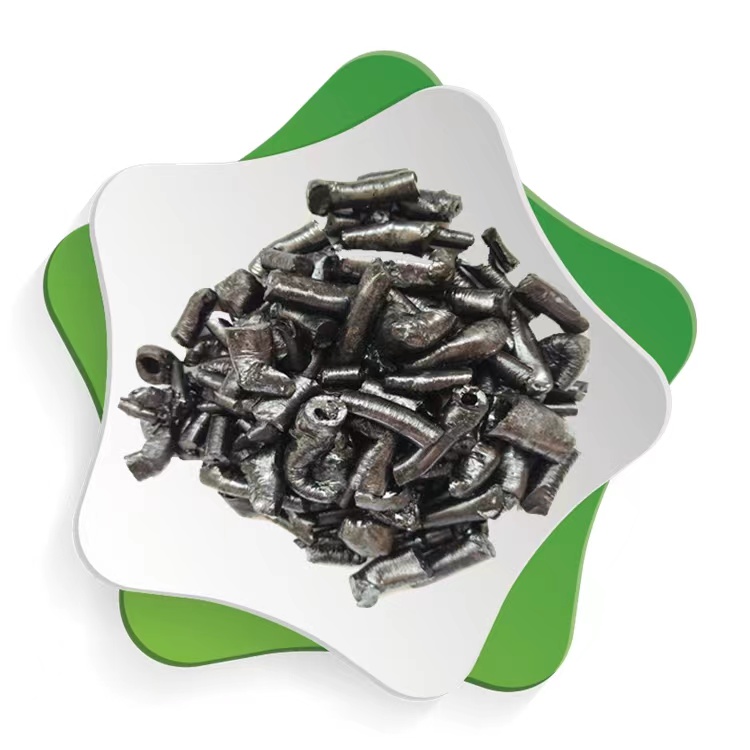
Smart managers also select advanced materials to improve longevity. For instance, blending specific additives like Modified asphalt or even specialized Asphalt powder into the base formula can drastically increase flexibility and strength. When you incorporate the right types based on careful science, you build paving projects that last. Doing the job right the first time is always cheaper than doing it twice.
Conclusion and Key Takeaways
Building and maintaining a reliable driving surface requires a deep understanding of heat, timing, and material science. Whether you are patching a tiny hole or building a massive new highway, the rules of physics apply. Here are the most important things to remember to keep your projects successful and your budgets under control:
- Heat is Everything: The temperature of the hot asphalt determines if you can successfully roll it smooth. If it gets cold, the job is ruined.
- Embrace New Tech: Using warm mix asphalt (wma) allows you to build roads at lower heat, saving fuel and reducing harmful smoke.
- Water Management: Consider using permeable surfaces with an ogfc design to eliminate deep puddles and safely drain rainwater back into the earth.
- Roll it Tight: Proper compaction is mandatory. If you do not squeeze the air out while it is hot, the road will break apart quickly.
- Fix it Fast: Routinely seal cracks and patch holes to keep destructive water out of the delicate base layers.
- Choose the Right Mix: Always match the mix type to the job. Heavy trucks require stiff, high temperature materials to prevent deep ruts and expensive damage.
- Do it Right Once: Investing in high-quality materials and strict installation rules drastically lowers your long-term maintenance costs.
Post time: 05-27-2026