

As a homeowner, one of the most significant investments you can make in your property's exterior is a new driveway. The smooth, dark finish of new asphalt pavement not only enhances curb appeal but also provides a durable and functional surface for years to come. However, the first question that comes to mind is always about the price. What do asphalt driveways cost? The answer isn't a simple number; it's influenced by a host of factors, from your geographic location to the specific type of asphalt you choose. In this comprehensive guide, we will break down everything you need to know about asphalt driveway costs. As someone who supplies the core materials for asphalt paving projects, I want to give you an insider's perspective, helping you understand the value behind the price and empowering you to make a confident and informed decision when you decide to pave.
What's the Average Cost to Pave Asphalt Driveways Per Square Foot?
Let's get right to the numbers. The average cost to install an asphalt driveway typically ranges from $4 to $10 per square foot. For a standard two-car driveway measuring around 600 square feet, a homeowner can expect the total cost to fall between $2,400 and $6,000. This price per square foot generally includes labor, materials, and equipment. However, this is a national average cost, and the actual driveways cost can vary significantly. In areas with a higher cost of living or complex site conditions, the price can easily exceed this range, sometimes reaching up to $15 per square foot.
The cost of an asphalt driveway is often quoted per square foot because it provides the easiest way to compare quotes from different asphalt paving companies. For example, if you have a driveway that is 800 square feet, and you receive a quote for $4,800, your cost per square foot is $6. This figure is a great starting point, but it's essential to understand what's included. Does it cover the removal of an old concrete driveway, extensive grading, or a new gravel base? These are the details that truly define the asphalt driveway costs and separate a cheap, short-term job from a quality, long-term investment in your property. When you decide to pave, looking at the price per square foot is just the beginning of your financial planning.
To illustrate, here’s a quick breakdown of potential costs for various sizes of asphalt driveways:
| Driveway Size (Square Feet) | Estimated Cost Range (Low-End) | Estimated Cost Range (High-End) |
|---|---|---|
| 400 square feet (1-Car) | $1,600 - $2,400 | $3,200 - $4,000 |
| 600 square feet (2-Car) | $2,400 - $3,600 | $4,800 - $6,000 |
| 800 square feet (Large) | $3,200 - $4,800 | $6,400 - $8,000 |
| 1,000 square feet (Long) | $4,000 - $6,000 | $8,000 - $10,000 |
These figures give you a ballpark idea of what to expect for asphalt driveways. The final driveways cost will depend on the specifics of your project.
How Do Key Factors Influence the Final Driveways Cost?
The price per square foot for asphalt driveways is not set in stone; it's a dynamic figure influenced by numerous variables. The most significant factor is the size of the project. While a larger driveway in total square feet will have a higher overall cost, the cost per square foot often decreases as the project size increases. This is because a contractor can operate more efficiently on larger, open spaces. The existing condition of the site is another major driver of asphalt driveway costs. If you have an old surface that needs to be torn out, or if the land needs significant excavation and grading to ensure proper drainage, your project cost will be higher. A proper foundation of compacted gravel is essential for the longevity of any asphalt pavement, and preparing this base is a critical part of the job.
Geographic location plays a huge role in determining how much driveways cost. Labor rates, permit fees, material transportation costs, and even local competition among asphalt installers can cause prices per square foot to fluctuate dramatically from one region to another. The price of asphalt itself can vary based on crude oil prices, as asphalt is a petroleum product. Furthermore, the thickness of the asphalt application impacts the asphalt cost. A standard residential driveway may require two to three inches of asphalt, but areas that will see heavier vehicles or experience harsh weather conditions may need a thicker application for added durability, which will increase the material costs. Each of these elements contributes to the final quote you'll receive from a contractor.
What Does the Type of Asphalt Used Mean for Your Pavement?
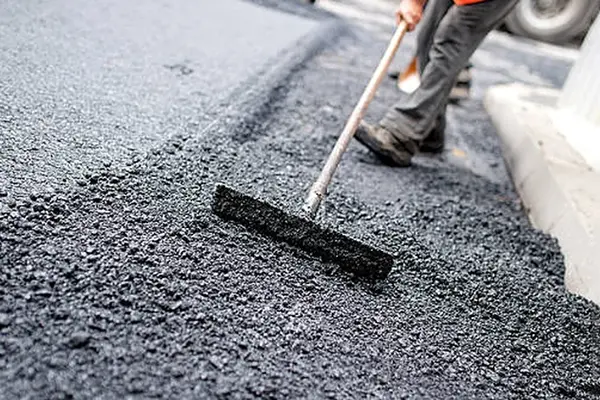
Not all asphalt is the same, and the type of asphalt used can have a substantial impact on both the initial asphalt driveway costs and the long-term performance of your driveways. The most common choice for residential projects is traditional hot mix asphalt (HMA). This is a durable, reliable material that, when properly installed, creates a strong and flexible asphalt surface. It's the industry standard for a reason. However, there are other options to consider for your asphalt pavement.
One increasingly popular option is porous asphalt. This type of asphalt is designed with more air voids, allowing water to drain directly through the pavement into a specially prepared stone bed underneath. This is an excellent choice for managing stormwater runoff and can even reduce the need for other drainage systems. However, porous asphalt has a higher cost, often adding $2 to $4 per square foot to the project. Another alternative is a recycled asphalt driveway, made using reclaimed asphalt pavement (RAP). Using recycled asphalt can lower the asphalt cost, as the material is less expensive, often priced around $20 per ton to $200 per ton depending on quality. While eco-friendly and budget-conscious, its durability might not match that of virgin hot mix asphalt. The specific asphalt mix a contractor recommends should be tailored to your climate and needs.
How Do Repair Costs for Asphalt Driveways Compare to Replacement?
Over time, even the best asphalt driveways will show signs of wear and tear. You might notice a small crack forming or a low spot where water collects. Addressing these issues promptly with asphalt repair is far more cost-effective than waiting for the problem to escalate. The cost for minor asphalt driveway repair costs can be quite low. For example, filling a single crack might cost a homeowner between $50 and $150. A more significant patch repair for a pothole could range from $150 to $400. These small investments in asphalt maintenance can significantly extend the life of your asphalt pavement.
However, if your driveway has widespread "alligator" cracking (interconnecting cracks that look like a reptile's skin), deep potholes, or severe drainage issues, a simple repair won't be enough. At this point, you're looking at either resurfacing or a full replacement. The cost to repave an asphalt driveway (resurfacing) involves adding a new 1-2 inch layer of asphalt on top of the old one and can cost $2 to $6 per square foot. A full asphalt driveway replacement, which includes tearing out the old pavement, can cost from $4 to $15 per square foot. While the upfront repair costs are lower, a replacement is the only true long-term solution for a failing foundation.
DIY vs. Hiring a Professional: Which Is Better for Installing Asphalt Driveways?
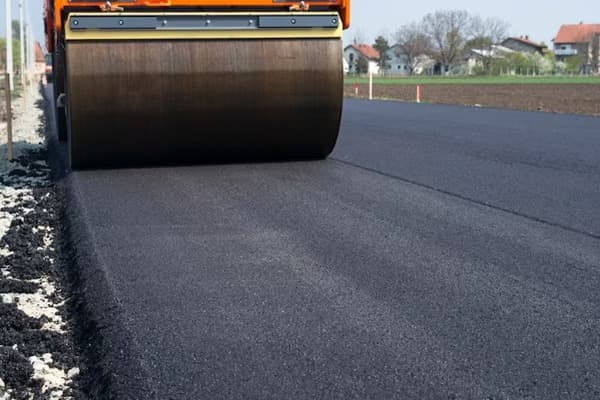
In the world of home improvement, the DIY vs. professional debate is common. While a handy homeowner might tackle many projects, installing asphalt driveways is one that should almost always be left to a professional contractor. The process of asphalt paving is complex and requires highly specialized, expensive equipment that is not available for rent. You need heavy machinery for excavation and grading, a paving machine to lay the asphalt evenly, and a multi-ton roller to achieve proper compaction. Without the necessary experience, operating this equipment is dangerous and unlikely to yield a good result.
Furthermore, hot mix asphalt is a challenging material to work with. It's delivered at around 300°F and must be laid and compacted before it cools and hardens. This is a race against the clock that requires an experienced and coordinated crew. A poorly installed DIY asphalt pavement will likely lack proper compaction, leading to a weak surface that will crack and deteriorate quickly. Any money saved on labor will be lost on future repair and eventual replacement. For small repair jobs like filling a crack with cold mix asphalt, a DIY approach is fine. But for installing an entire driveway, hiring a reputable driveway contractor is the only way to ensure a quality, long-lasting result.

What Is a Typical Asphalt Driveway Installation Process?
Understanding the steps involved in a professional asphalt driveway installation helps you appreciate the work that goes into the cost to install and ensures your contractor is following best practices. A quality job is about much more than just pouring blacktop.
- Demolition and Removal: The first step is to remove the existing driveway, whether it's old asphalt, a concrete driveway, or loose gravel.
- Excavation and Grading: The crew will excavate the area to a depth of 8-12 inches. They will then carefully grade the soil to ensure a proper slope for drainage, directing water away from your home's foundation.
- Sub-Base Installation: A strong sub-base is the key to durability. A layer of crushed aggregate gravel, typically 6-8 inches deep, is laid down and then thoroughly compacted with a heavy roller.
- Binder Layer: The first layer of asphalt, known as the binder coat, is applied. This layer is strong and contains larger aggregate, providing the structural foundation for the asphalt pavement.
- Surface Layer: The final topcoat is applied. This is a finer asphalt mix that creates the smooth, dense asphalt surface you see and drive on. Both layers are compacted while hot.
- Finishing Touches: The edges are tamped to create a clean, beveled look, and the site is cleaned up. The new asphalt then needs a few days to cure before it can support vehicle traffic.
This meticulous process is what ensures your new asphalt driveway will last for decades.
Can You Pave Over an Existing Driveway to Save Money?
Resurfacing, or applying a new layer of asphalt over an existing asphalt surface, can be a cost-effective way to restore the look and function of your driveway. The cost to repave an asphalt driveway this way is significantly less than a full replacement because it eliminates the expensive demolition and excavation steps. This process can work well if the foundation of your current driveway is still structurally sound and the primary issues are surface-level, like minor cracks or a faded appearance. To repave an asphalt driveway, a contractor will clean the surface, repair any major cracks, and then apply a new 1.5 to 2-inch layer of new asphalt.
However, you can't just pave over any problem. If your existing driveway has deep, wide cracks, large potholes, or significant sinking and drainage issues, an overlay is just a cosmetic fix. The underlying problems will quickly reflect through the new layer, and you'll be facing the same issues again within a few years. A reputable contractor will inspect your current asphalt pavement and advise you whether it's a good candidate to repave. While the lower initial asphalt driveway costs are tempting, a full replacement is the only smart investment for a failing foundation. This is a key decision when considering how to pave your property.
What Are the Costs of Advanced Asphalt Pavement Options?
Beyond standard asphalt, there are several premium options for asphalt driveways that offer enhanced aesthetics or functionality, albeit at a higher cost. One of the most popular upgrades is creating a heated driveway. This involves embedding hydronic tubes or electric heating cables beneath the asphalt pavement. The system can be turned on to melt snow and ice, eliminating the need for shoveling or plowing. Installing a heated asphalt driveway is a significant investment, with the heating system alone often adding $13 per square foot to $20 per ton of asphalt, on top of the standard driveways cost.
For homeowners looking to boost curb appeal, stamped or colored asphalt is an attractive choice. Stamped asphalt involves pressing a pattern into the hot asphalt surface to mimic the look of brick, cobblestone, or slate. Colored asphalt involves adding pigments to the asphalt mix itself. These decorative treatments can transform the look of asphalt driveways but will increase the asphalt driveway costs, often by $2 per square foot to $6 per square foot depending on the complexity of the design. While the costs for asphalt go up, these options allow for a high degree of customization for your asphalt pavement.
How to Use an Asphalt Driveway Cost Calculator Effectively?
Online tools like an asphalt driveway cost calculator can be a great starting point for budgeting your project. These calculators typically ask for basic information, such as the length and width of your driveway (to determine the total square feet), your zip code (to adjust for regional price differences), and sometimes the desired thickness of the asphalt. Based on these inputs, they provide an estimated range for your asphalt driveway costs. This can help you get a general idea of whether the project fits within your budget before you start contacting contractors.
However, it's crucial to remember that these calculators provide estimates only. They cannot account for the specific conditions of your property, such as the need for major excavation, the condition of the soil, or complex grading for drainage. They also can't factor in the specific type of asphalt used or any special features you might want. The best way to use a calculator is to get a preliminary figure, and then treat the quotes you receive from a professional contractor as the more accurate, detailed assessment of your driveway paving project. No online tool can replace an on-site inspection by an experienced professional.
Why is Choosing the Right Driveway Contractor Crucial for Your Investment?
The final, and perhaps most important, factor in the success and cost-effectiveness of your asphalt driveway project is the contractor you hire. A top-tier asphalt driveway material can fail if installed incorrectly. A qualified driveway contractor brings experience, proper equipment, and a skilled crew to the job. When vetting asphalt paving companies, don't just choose the lowest bid. Ask for proof of licensing and insurance, check references, and look at a portfolio of their completed asphalt driveways.
A reputable contractor will provide a detailed, written estimate that breaks down all the costs, from the number of square feet to the depth of the gravel base and the thickness of the compacted asphalt. They will be transparent about the type of asphalt they plan to use and why it's the right choice for your project. They will also stand behind their work with a warranty. As a supplier of high-quality raw materials like Modified asphalt, I know that the best contractor is one who values quality from the ground up. Investing in a great contractor is an investment in the longevity and durability of your asphalt pavement, ensuring your money is well spent. Your choice of contractor will ultimately define the quality of the asphalt driveways you pave.
Key Takeaways to Remember
- Budget Accordingly: The average cost for asphalt driveways is $4 to $10 per square foot, but this varies widely by location and project scope.
- Foundation is Key: The cost and quality of your asphalt pavement are heavily dependent on proper site preparation, including excavation, grading, and a compacted gravel base.
- Material Matters: The type of asphalt you choose, from standard hot mix asphalt to porous asphalt or recycled asphalt, will affect both cost and performance.
- Hire a Reputable Pro: Installing asphalt is a complex job for professionals. Choose a licensed, insured, and experienced contractor for the best results.
- Don't Ignore Repairs: Small, timely repair work can save you from the much higher cost of a full driveway replacement down the line.
Post time: 10-29-2025