

Hello, my name is Allen, and for over a decade, I've been at the helm of a factory in China specializing in high-quality coal tar products and petroleum coke. Our seven production lines are dedicated to creating materials that build the world's infrastructure. I've had countless conversations with discerning clients like Mark Thompson from the USA—experienced procurement officers who need reliable, high-performance materials for demanding projects, from vast aluminum smelters to the highways that connect a nation. They know quality, but they also demand value. This article is for them. We will dive deep into the world of polymer modified asphalt, exploring what it is, how it's made, and why it's a superior choice for modern applications. Understanding this technology is key to making informed purchasing decisions that save money, reduce risk, and deliver exceptional results.
What Exactly is Polymer Modified Bitumen and Why Should You Care?
At its core, polymer modified bitumen (PMB) is a simple concept with powerful implications. We take a standard asphalt binder—the black, sticky "glue" that holds aggregates like stone and sand together in an asphalt mix—and we enhance it by adding a special polymer. Think of it like adding steel rebar to concrete; the fundamental material is the same, but its strength, flexibility, and durability are dramatically improved. The goal of this modification of asphalt is to overcome the inherent weaknesses of conventional bitumen, such as its susceptibility to temperature changes (becoming brittle in the cold and soft in the heat) and its vulnerability to cracking under heavy loads. The polymer creates a complex internal network within the asphalt binder, transforming its properties on a molecular level.
For a business owner or procurement officer, this matters immensely. Using polymer modified bitumen means the final asphalt pavement will last longer, require fewer repairs, and perform better under extreme weather and traffic conditions. This translates directly to a lower lifecycle cost and a higher return on investment for any project. When you're responsible for sourcing materials for critical infrastructure, choosing modified bitumens demonstrates a commitment to quality and long-term value. The addition of a polymer is not just an additive; it's a fundamental upgrade to the asphalt binder that ensures superior performance. We've seen firsthand how projects using our modified asphalt products exhibit significantly less rutting and cracking, a testament to the power of polymer science. This enhancement allows the asphalt binder to stretch and recover, much like a rubber band, providing the resilience needed for today's demanding applications.
The polymer is added in relatively small amounts, typically 3-7% by weight of the asphalt, but the impact is profound. The process involves more than just stirring in a polymer; it requires high-shear mixing at controlled temperatures to ensure the polymer properly disperses and integrates with the asphalt molecules. When done correctly, this results in modified bitumens that form a continuous polymer network, providing enhanced elasticity and adhesion. This is why sourcing from an experienced factory is critical. An improper mix can lead to phase separation and a final product that is worse than the original virgin bitumen. As a manufacturer, we understand that the quality of the final asphalt pavement starts with the quality of the polymer modified asphalt binder.
How Does the Modification of Asphalt Binders Actually Work?
The magic behind polymer modified bitumen happens during a carefully controlled manufacturing process. It begins with selecting a high-quality base asphalt binder and the right type of polymer. The asphalt binder is heated to a liquid state, typically between 160°C and 190°C (320°F to 375°F). Then, the polymer is gradually introduced into the hot asphalt binder while being subjected to high-shear milling. This high-energy mixing is crucial; it breaks down the polymer particles and helps to disperse the polymer evenly throughout the asphalt matrix. Without this step, the polymer would clump together, failing to create the desired structural network.
Once the polymer is added, it begins to absorb the lighter oils (maltenes) from the asphalt binder. This process, known as polymer swelling, causes the polymer molecules to expand and intertwine, forming a continuous, three-dimensional network within the asphalt. This network is what gives the modified binder its superior properties. The interaction between the asphalt and polymer is complex, involving both physical entanglement and, in some cases, chemical reactions. The resulting polymer dispersion must be stable; otherwise, the polymer can separate from the asphalt binder during storage, rendering the modified asphalt useless. We use specialized equipment and rigorous testing to ensure a homogenous and stable blend in all our modified bitumens.
The entire process of asphalt binder modification is a balancing act. The temperature, mixing time, shear rate, and the compatibility between the polymer and the asphalt binder all play critical roles. For example, some polymers require longer mixing times or specific compatibilizers to achieve a stable blend. The goal is to create a polymer-modified bitumen where the polymer network is robust and fully integrated, enhancing the overall performance of asphalt. This transformation improves the rheological properties of asphalt binder, meaning it behaves better across a wider range of temperatures and stress conditions. It's this intricate science that turns a standard construction material into a high-performance engineering solution.
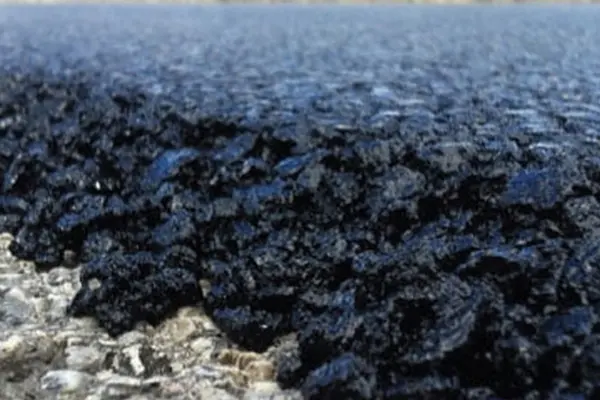
What is the Typical Composition of Asphalt Before Polymer Modification?
To appreciate the impact of a polymer, it's essential to understand the basic composition of asphalt. Before any modification, conventional asphalt binder, also known as bitumen, is a complex mixture of hydrocarbons derived from the fractional distillation of crude oil. It's a viscoelastic material, meaning it exhibits both liquid-like (viscous) and solid-like (elastic) properties depending on the temperature and the rate at which a load is applied. The intricate asphalt composition is what gives it its unique waterproofing and adhesive qualities, which have been valued for centuries.
Chemically, asphalt binder is broadly divided into two main fractions: asphaltenes and maltenes.
- Asphaltenes: These are large, complex, and highly polar polyaromatic hydrocarbons. They are responsible for the hardness and viscosity of the asphalt binder. Think of them as the solid "body" of the material.
- Maltenes: This is the lighter, oily fraction that surrounds and disperses the asphaltenes. Maltenes themselves are a mix of saturates, aromatics, and resins, and they provide the liquid, adhesive, and ductile properties to the asphalt.
The balance between these components determines the overall characteristics of asphalt. A virgin bitumen with a higher asphaltene content will be harder and more viscous, while one with more maltenes will be softer and more fluid. This inherent composition of asphalt also explains its weaknesses. The maltenes that make it flexible can also cause it to soften excessively in summer heat, and the asphaltenes that provide stiffness can make it brittle and prone to cracking in winter cold. This is precisely where polymer modification comes in, to create modified bitumens that can overcome these natural limitations of the asphalt binder. By introducing a polymer, we are fundamentally altering this balance to create a more resilient material.
Which Type of Polymer is Best for Modifying Asphalt?
There isn't a single "best" polymer for all applications; the choice depends on the desired properties of the final modified asphalt and the specific project requirements. However, the most commonly used polymer types fall into two main categories: elastomers and plastomers. Each type of polymer imparts different characteristics to the asphalt binder.
-
Elastomers (Rubber-like Polymers): These polymers provide elasticity, allowing the asphalt binder to stretch under load and return to its original shape. This significantly improves fatigue resistance and flexibility at low temperatures.
- Styrene-Butadiene-Styrene (SBS): This is the most widely used polymer for asphalt modification. The SBS polymer forms a robust, elastic network within the asphalt, creating a highly resilient sbs modified asphalt. It offers an excellent balance of properties, enhancing both high-temperature rutting resistance and low-temperature crack resistance. The sbs polymer modified bitumen is often considered the gold standard for high-traffic pavements.
- Styrene-Butadiene-Rubber (SBR): Another popular elastomer, SBR is often available as a latex emulsion, making it easy to incorporate into bitumen emulsion systems.
- Crumb Rubber: Made from recycled tires, crumb rubber is an environmentally friendly option for creating rubber modified asphalt. It improves elasticity and aging resistance, turning waste into a valuable resource for more durable roads.
-
Plastomers (Plastic-like Polymers): These polymers increase the stiffness and viscosity of the asphalt binder, leading to excellent resistance to permanent deformation (rutting) at high temperatures.
- Ethylene-Vinyl-Acetate (EVA): A common plastomer that enhances the stiffness of the asphalt mix. It's particularly effective in hot climates where rutting is a primary concern.
- Polyethylene (PE): Can be used to increase the viscosity of the asphalt binder, but compatibility can be a challenge.
The table below provides a simple comparison:
| Polymer Type | Primary Benefit | Best Use Case | Key Example |
|---|---|---|---|
| Elastomer | Elasticity, Flexibility | High-traffic roads, varied climates | SBS |
| Plastomer | Stiffness, Rut Resistance | Hot climates, heavy industrial loads | EVA |
| Recycled | Environmental, Elasticity | General road paving, sustainable projects | Crumb Rubber |
From my experience as a manufacturer, SBS polymer is the most versatile and requested polymer for creating high-performance modified bitumens. Its ability to form a strong polymer network provides a well-rounded improvement to the properties of asphalt binders. The choice of the polymer ultimately defines the performance of the modified asphalt.
Can You Mix Asphalt with Any Polymer? The Science of Compatibility
The simple answer is no. You cannot just mix asphalt with any polymer and expect good results. The success of asphalt modification hinges on the chemical and physical compatibility between the asphalt binder and the polymer. Compatibility refers to the ability of the polymer and asphalt to form a stable, homogeneous blend that doesn't separate during storage or application. An incompatible mixture is a recipe for disaster, leading to a weak asphalt binder and premature pavement failure.
Compatibility is primarily governed by the chemical compositions of the asphalt and polymer. As we discussed, asphalt is a complex blend of asphaltenes and maltenes. The maltene phase, particularly the aromatic components, is crucial for dissolving or swelling the polymer. A base asphalt with a higher aromatic content is generally more compatible with common polymers like SBS. If the asphalt binder lacks sufficient aromatic oils, the polymer won't swell properly, and the desired polymer network will not form. This results in poor polymer dispersion and a high tendency for phase separation, where the lighter polymer phase floats to the top of the storage tank.
To overcome compatibility issues, several strategies are employed. Sometimes, a different grade of asphalt binder using a different crude oil source is selected. In other cases, compatibilizers or cross-linking agents (like sulfur) are added to the mix. These agents help to create stronger chemical bonds between the polymer and asphalt molecules, locking the polymer network in place. This is why the characterisation of asphalt binder chemistry is a critical first step in our production process. By analyzing the asphalt composition, we can select the most appropriate polymer type and processing conditions to ensure the creation of stable and high-performance modified bitumens. This attention to detail prevents issues for clients down the line.
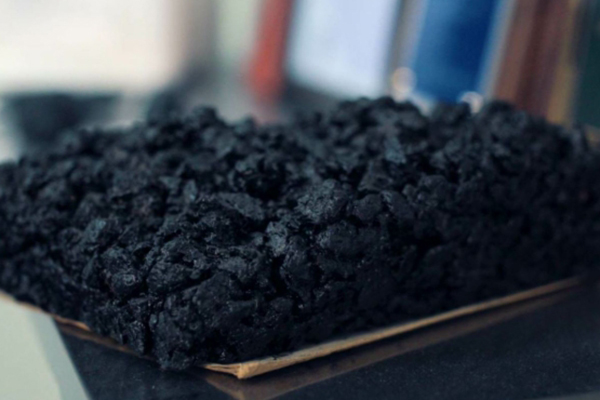
What are the Key Benefits of Using a Polymer Modified Asphalt Binder?
The primary reason for investing in polymer modified bitumen is the significant enhancement in performance and durability it offers over conventional asphalt binder. As a supplier to major markets, I see clients choose modified bitumens because the long-term benefits far outweigh the initial cost increase. The effect of polymer addition is transformative, improving the material's properties across the board.
Here are the key advantages broken down:
- Improved Temperature Susceptibility: This is perhaps the biggest benefit. Modified asphalt is less affected by temperature changes. It resists softening and rutting in hot weather and remains flexible and crack-resistant in cold weather. This extends the serviceable temperature range of the pavement.
- Enhanced Elasticity and Flexibility: Elastomeric polymers like SBS create a polymer network that allows the asphalt pavement to flex under traffic loads and then recover its shape. This drastically reduces fatigue cracking, a common failure mode in conventional asphalt.
- Increased Resistance to Permanent Deformation (Rutting): The polymer increases the stiffness and viscosity of the asphalt binder at high service temperatures, preventing the formation of ruts and shoves from heavy, slow-moving traffic. The resistance of asphalt to deformation is a key performance metric.
- Superior Adhesion and Cohesion: The addition of a polymer improves the bond between the asphalt binder and the aggregate particles. This reduces the likelihood of "stripping," where water gets between the binder and the aggregate, causing the pavement to unravel.
- Enhanced Durability and Aging Resistance: Polymer modification helps slow down the oxidative aging process of the asphalt binder. An aged asphalt becomes brittle and prone to cracking. The polymer helps the binder retain its flexible properties for a longer period, extending the overall life of the pavement. A longer-lasting road means fewer costly repairs and less disruption.
For clients building roads or industrial surfaces, these benefits mean a more reliable and cost-effective final product. When you're dealing with demanding applications, from airport runways to heavily trafficked highways, the superior performance of polymer modified asphalt is not just a feature—it's a necessity. We provide various grades of specialized asphalt, including our popular High temperature asphalt, engineered to withstand the most extreme conditions.
How is a Bitumen Emulsion Different from a Hot Mix Asphalt?
While both are used in paving and construction, a bitumen emulsion and a hot mix asphalt are fundamentally different products with different applications. Understanding this distinction is important for procurement officers who may need to source materials for various types of projects. The key difference lies in how the asphalt binder is made workable for application.
Hot Mix Asphalt (HMA) is the most common type of paving material used for major roads and highways. In this process, the asphalt binder (which can be a conventional or a polymer modified asphalt binder) and aggregates are heated to high temperatures—typically 150-175°C (300-350°F)—at an asphalt plant. This heating process makes the asphalt binder fluid enough to completely coat the aggregate. The hot mixture is then transported to the job site, laid down by a paver, and compacted while it's still hot. HMA creates a strong, dense, and durable pavement suitable for heavy traffic. Almost all high-grade modified bitumens are used in HMA.
A bitumen emulsion, on the other hand, is a liquid product where tiny droplets of asphalt binder are suspended in water with the help of an emulsifying agent. This creates a stable, low-viscosity liquid that can be applied at much lower temperatures, often without any heating at all. After the emulsion is sprayed or mixed, the water evaporates, and the asphalt particles coalesce to form a continuous film—a process called "breaking." Bitumen emulsion is commonly used for applications like:
- Tack Coats: A thin adhesive layer between layers of pavement.
- Chip Seals: A surface treatment to seal cracks and improve skid resistance.
- Slurry Seals: A mixture of emulsion, fine aggregate, and fillers used for pavement preservation.
- Cold Mix Asphalt: Used for patching potholes and for paving low-traffic roads.
Essentially, HMA is a high-temperature, structural paving material, while bitumen emulsion is a low-temperature, liquid-applied product primarily used for sealing, bonding, and maintenance. While you can create a polymer-modified emulsion, the primary market for high-performance modified asphalt is in the hot mix industry.
What Challenges Arise During the Modification of Asphalt?
Producing high-quality modified bitumens is a technical process that comes with its own set of challenges. As a factory owner, I can tell you that it's not as simple as just adding a polymer to a tank of hot asphalt binder. Overcoming these challenges is what separates a reliable supplier from an inexperienced one. The main issues revolve around compatibility, stability, and processing.
The first and most significant challenge is ensuring compatibility between the polymer and the asphalt binder, as we've discussed. If the blend is not compatible, it will lead to phase separation. This means that during hot storage in a tank, the less-dense, polymer-rich phase will rise to the top, and the heavier, asphalt-rich phase will sink. If this separated material is used, the resulting pavement will have inconsistent properties and will fail quickly. We combat this with rigorous analysis of bitumen chemistry and by selecting the right asphalt blends prepared with compatible components.
Another challenge is achieving and maintaining adequate polymer dispersion. The polymer must be thoroughly and finely dispersed to form the continuous network that provides the enhanced properties. This requires specialized high-shear milling equipment and precise control over temperature and mixing time. If the polymer is thoroughly mixed, the behavior of polymer-modified asphalt will be optimal. If not, the polymer particles will be too large, and the properties of polymer-modified asphalt binders will be compromised. Finally, the modification of bitumen can increase the viscosity of the asphalt significantly, which can make it more difficult to pump and work with at the asphalt plant. The temperature must be carefully managed to ensure the modified binder is fluid enough for mixing with aggregates but not so hot that the polymer begins to degrade.
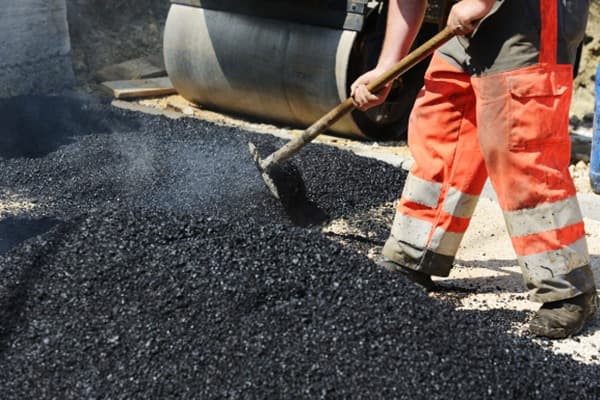
How Do You Ensure Quality When Sourcing Modified Bitumens?
For procurement officers like Mark, this is the most critical question. Your projects depend on the quality and reliability of the materials you source. My years in the asphalt industry have shown me that a low price can often hide high risks, such as shipment delays, poor communication, and even fraudulent certifications—all major pain points for international buyers. Here is my advice, based on what we practice at our factory.
First, demand transparency and robust quality control documentation. A reputable manufacturer will have a comprehensive quality management system, ideally certified to standards like ISO 9001. Ask for detailed technical data sheets (TDS) and batch test reports for every shipment. These reports should show results for key performance indicators like viscosity, penetration, softening point, and elastic recovery. Be wary of suppliers who are hesitant to provide this information. At our facility, we conduct rigorous testing on both the raw asphalt binder and the final modified asphalt to guarantee it meets or exceeds international standards.
Second, understand the logistics and communication process. Shipment delays can derail a project schedule. Work with a supplier who has a proven track record of exporting to your region (like the USA, Europe, or Australia). They should have established relationships with reliable shipping lines and be experts in export documentation. Clear and proactive communication is non-negotiable. Your sales representative should be knowledgeable and responsive, able to provide updates and solve problems efficiently. This is why we invest heavily in training our export team to bridge any language or cultural gaps. It is essential to ensure the properties of the bitumen are preserved during transit. For customers looking for a range of solutions, we also offer products like our versatile Coal tar pitch flakes, which require the same level of logistical precision.
Finally, verify the supplier's credentials. Don't just take a certificate at face value. If possible, conduct a third-party inspection or, for a long-term partnership, a factory audit. A trustworthy manufacturer will welcome this scrutiny. Look for a factory with established production lines and a history in the business, not just a trading company. While exhibitions are a great way to make initial contact, follow up with due diligence. By focusing on these three areas—documentation, logistics, and verification—you can significantly mitigate the risks associated with sourcing modified bitumens and build a reliable supply chain. Our range of products, including expertly engineered Modified asphalt, is backed by this commitment to quality and transparency.
The Future of Asphalt Modification: What's Next for the Industry?
The field of asphalt modification is constantly evolving, driven by the need for more sustainable, durable, and intelligent infrastructure. As we look to the future, several exciting trends are shaping the industry. We are moving beyond simply making roads last longer; we are making them smarter and greener. The use of innovative polymer technologies is at the heart of this evolution.
One major trend is the increasing use of recycled materials. The incorporation of reclaimed asphalt pavement (RAP) and crumb rubber from end-of-life tires is becoming more mainstream. The challenge is to maintain high performance when using these variable materials. Advanced polymer modification techniques are key to this, creating high-quality composite modified asphalt binder systems that can effectively rejuvenate aged asphalt from RAP and successfully integrate recycled rubber. This not only reduces waste but also lowers the carbon footprint of road construction.
Another area of innovation is the development of "smart asphalts." This includes materials with self-healing capabilities, where special polymers or microcapsules in the asphalt mix can repair minor cracks automatically. We are also seeing the development of energy-harvesting pavements and epoxy asphalt for extremely durable applications like bridge decks. Furthermore, the development of new polymer blends and copolymer modified asphalt aims to create even more resilient materials that can withstand the increasing stresses of climate change and heavier traffic loads. As a manufacturer, we are committed to staying at the forefront of these innovations, ensuring that our clients have access to the most advanced modified asphalt solutions on the market.
In Summary
Navigating the world of advanced construction materials like polymer modified asphalt can be complex, but understanding the fundamentals is key to making smart decisions. Here are the most important things to remember:
- Polymer Modification is a Game-Changer: Adding a polymer to an asphalt binder dramatically improves its performance, increasing durability, weather resistance, and flexibility for a longer pavement life.
- Not All Polymers are Equal: The type of polymer used (like SBS or EVA) determines the final properties of the modified asphalt. SBS elastomers are the most common choice for a versatile, high-performance asphalt binder.
- Compatibility is Crucial: A stable, homogeneous blend between the polymer and the asphalt binder is essential for success. This requires careful selection of materials and precise manufacturing process control.
- Quality Sourcing Mitigates Risk: To avoid common pitfalls like shipment delays and quality issues, partner with a transparent and experienced factory. Always demand comprehensive documentation, clear communication, and verify credentials.
- The Benefits are Long-Term: While modified bitumens may have a higher initial cost, their superior performance and extended lifespan result in a significantly lower lifecycle cost, providing excellent value for any major project.
Post time: 08-25-2025