

Have you ever wondered about the black, solid material that powers some of the world's biggest industries? That powerhouse is petroleum coke, often called petcoke. It’s a crucial, carbon-rich product derived from oil refining. As a factory owner, I, Allen, have spent years navigating the world of Coal Tar Products and Petroleum Coke. I've spoken with hundreds of buyers, like Mark Thompson in the USA, who are decisive, quality-focused, and need a reliable supplier. This guide is for you, Mark, and for every procurement officer who needs to cut through the noise. We'll demystify petroleum coke, from how it's made to how to source it without the headaches of poor communication or shipment delays. This is your comprehensive look at a material that is fundamental to the aluminum, steel, and energy sectors.
What Exactly is Petroleum Coke (Petcoke)?
Let's start with the basics. Petroleum coke is a carbonaceous solid material that results from the high-temperature processing of heavy hydrocarbon fractions. In simpler terms, when a refinery processes crude oil, it separates it into various products like gasoline and diesel fuel. The very heaviest fraction, the thick residue left at the end, is what we use to create coke. This process, known as coking, transforms the residual oil into a solid, high-carbon product. The resulting petroleum coke is a stable, dense material with a high energy value.
Essentially, petroleum coke is the final carbonization product of high-boiling hydrocarbon fractions obtained during petroleum processing. It's not a naturally occurring substance like coal; it's a manufactured by-product of the oil refining industry. The physical properties of this coke can vary widely depending on the type of crude oil it came from and the specific coking process used. It’s important for buyers to understand that not all petcoke is the same. Its value and application depend heavily on its characteristics, such as low ash content, structure, and the amount of sulphur it contains.
How is Petroleum Coke Produced in a Refinery?
The journey of petroleum coke begins deep inside a crude oil refinery. The key piece of equipment is called a coker or coker unit. The most common method used is "delayed coking." Think of it like a highly sophisticated pressure cooker. The heaviest residual oils from the distillation process are pumped into large vertical drums, called coke drums, and heated to extreme temperatures (around 900°F or 485°C) under pressure. This thermal cracking breaks down the large hydrocarbon molecules.
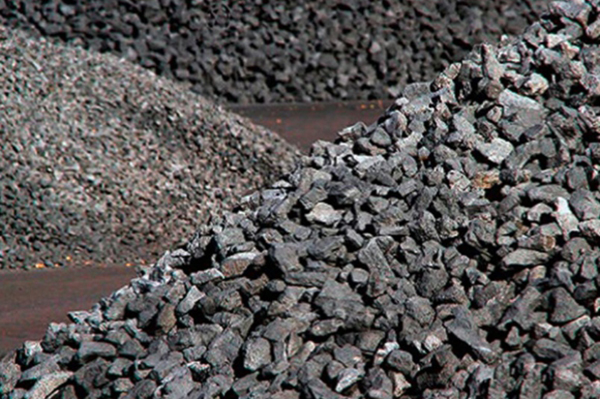
Inside these drums, the lighter hydrocarbon products turn into vapor and are drawn off, while the heavy carbon settles and solidifies into coke. This coke formation process takes time, hence the name "delayed coking." After a drum is full, the flow of hot residue is diverted to another drum, allowing the first one to cool. High-pressure water jets are then used to cut the solid coke out of the drum. The raw product that comes out is known as green coke or green petroleum coke, not because of its color, but because it hasn't been further processed. This green coke still contains residual volatile hydrocarbons that need to be removed for most high-grade applications. The entire process is a brilliant piece of engineering that turns a low-value residue into a globally traded commodity.
What are the Different Types of Petroleum Coke?
Understanding the types of petroleum coke is crucial for any buyer, as the type dictates its use and price. The primary distinction is based on the structure of the coke. There are three main forms you'll encounter:
- Sponge Coke: This is the most common type. It has a porous, sponge-like structure and is the standard material for producing calcined coke used in the aluminum industry. The quality of sponge coke is determined by its purity, density, and metal content.
- Shot Coke: This type is made up of small, hard, spherical pellets. Shot coke is typically formed when processing lower-quality, high-sulfur crude oils. Because of its shape and often high sulphur content, it is more difficult to process and is usually used as a fuel.
- Needle Coke: This is the premium grade of petroleum coke. It has a highly crystalline, needle-like structure, which gives it excellent electrical conductivity and thermal resistance. Needle coke is the essential raw material for producing high-performance graphite electrodes used in electric arc furnaces for the steel industry. It's the most valuable type of coke due to its specialized properties and demanding production requirements.
Beyond these structural types, petroleum coke is also broadly categorized by its intended use: fuel-grade coke and anode-grade coke. Fuel-grade coke typically has higher sulfur and metal content and is sold based on its heating value. Anode-grade coke, on the other hand, must be very pure, with low sulphur and metal content, to be suitable for calcination and use in aluminum smelting. As a supplier, we work closely with clients to match the right specification of coke to their exact industrial needs.
Why is the Sulfur Content in Petroleum Coke a Critical Factor?
The amount of sulphur (or sulfur, as it's spelled in the US) in petroleum coke is arguably its most critical quality metric. This is a major concern for buyers focused on quality and environmental compliance. The sulfur content comes directly from the crude oil feedstock. "Sour" crudes are high in sulfur, while "sweet" crudes are low. When the coke is produced, this sulfur becomes concentrated in the final solid product. A high sulfur content can range from 4% to as high as 7-8%, while low-sulfur petroleum coke might have less than 1%.
Why does it matter so much? For industrial processes, sulfur is often an impurity. In aluminum smelting, high sulphur in the anode can contaminate the final aluminum product. In the steel industry, sulfur can make steel brittle. For fuel-grade coke, burning petroleum coke with high sulfur releases sulfur dioxide (SO2), a primary contributor to acid rain. This has led to strict environmental regulations globally, requiring facilities that burn high-sulfur coke to install expensive flue-gas desulfurization units.
Therefore, the market value of petroleum coke is inversely related to its sulfur content. Low-sulphur petroleum coke commands a premium price and is sought after for high-value applications. As a supplier, providing accurate and certified analysis of sulphur levels is non-negotiable. It's about transparency and ensuring our clients receive a product that meets both their technical and regulatory requirements. We understand that certificate fraud is a real pain point, which is why we provide third-party verification for all our shipments.
What is Calcined Petroleum Coke and Why is it So Valuable?
Calcination is the critical next step for high-purity green coke. To calcine means to heat a solid material to a high temperature in the absence of air to drive off impurities and induce a phase change. In the case of petroleum coke, green coke is heated in a rotary kiln to temperatures above 1300°C (2375°F). This process removes any remaining volatile hydrocarbon content, moisture, and increases the coke's density and electrical conductivity. The final product is known as calcined petroleum coke or calcined petcoke.
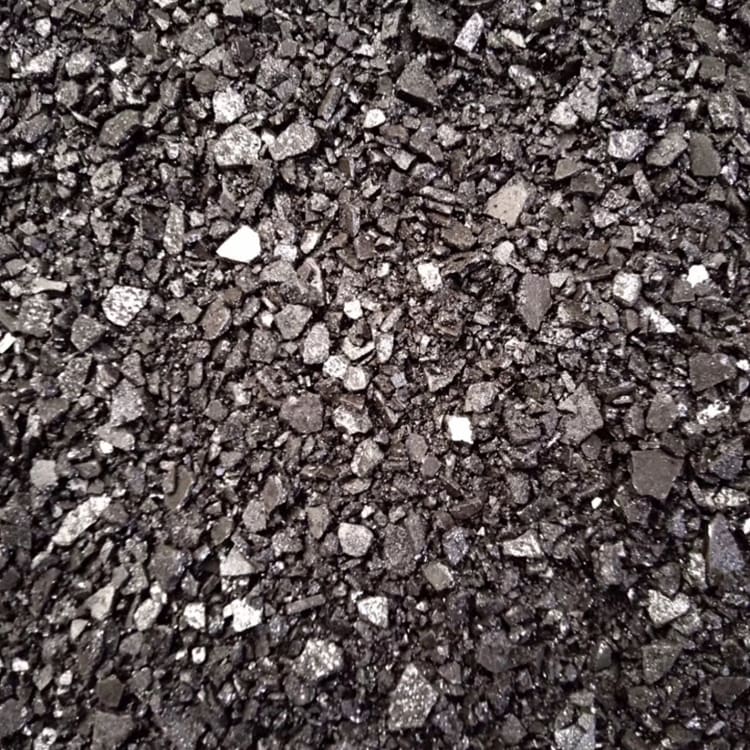
So, why is calcined petroleum coke so valuable? Its primary use is in the production of carbon anodes for the aluminum smelting industry. These massive carbon blocks are what conduct the electricity needed to turn alumina (aluminum oxide) into pure aluminum metal. The process consumes the carbon anode, so smelters need a constant, reliable supply. The calcined coke must be extremely pure, as any impurities in the anode can end up in the final aluminum. Similarly, high-purity calcined coke (especially from needle coke) is used to manufacture graphite electrodes for steel recycling. This coke is particularly valuable because the electrodes must be replaced regularly, creating steady demand.
The production of calcined petroleum coke is a specialized process that transforms a refinery by-product into a highly engineered industrial material. A reliable supply of high-quality calcined coke is essential for the global aluminum and steel industries, making it one of the most important products in the coke market.
How Does Petroleum Coke Compare to Coal as a Fuel Source?
A common question I get is about the difference between petroleum coke and coal. Both are carbon-rich solid fuels, but they have distinct properties that make them suitable for different applications. The main difference lies in their origin and composition. Coal is a sedimentary rock mined from the earth, while petroleum coke is a by-product of oil refining.
Here's a simple breakdown in a table:
| Feature | Petroleum Coke (Fuel-Grade) | Bituminous Coal |
|---|---|---|
| Energy Content (BTU/lb) | 14,000 - 15,000 | 11,000 - 13,000 |
| Ash Content | Very Low (< 1%) | High (5% - 15%) |
| Volatile Matter | Low (~10%) | High (20% - 40%) |
| Sulfur Content | Can be very high (up to 8%) | Varies (0.5% - 5%) |
| Handling | Low dust, hydrophobic | Can be dusty, absorbs water |
As you can see, petroleum coke offers a significant advantage in energy content and has very low ash content. Less ash means less waste to dispose of, which is a big operational benefit for power plants and cement kilns. However, its low volatile matter can make it harder to ignite than coal. The major challenge with fuel-grade petroleum coke, as we've discussed, is its potentially high sulfur content. Facilities burning petroleum coke, like those using fluidized bed combustion, must be equipped to handle these emissions. For this reason, petroleum coke is often blended with coal to create a more balanced and cost-effective fuel.
What are the Key Industrial Applications for Petroleum Coke?
The versatility of petroleum coke is remarkable. It’s not just a single-use product; it's a foundational material for several of the world's most important industries. The specific grade and type of coke determine where it's best utilized.
Here are the main applications:
- Aluminum Industry: This is the largest consumer of high-quality anode-grade calcined petroleum coke. As mentioned, calcined coke is mixed with coal tar pitch flakes to form the anodes used in smelting. Roughly 0.4 tonne of coke is needed for every tonne of aluminum produced.
- Steel Industry: High-purity needle coke is indispensable for the production of electrodes for the steel industry's electric arc furnaces (EAFs). These graphite electrodes can withstand extreme temperatures and are crucial for melting scrap steel. Petroleum coke can also be used as a recarburizer, or carbon additive, to increase the carbon content in steel to the desired specification.
- Cement Manufacturing: Cement kilns are major consumers of fuel-grade petroleum coke. The high heat value makes it an efficient fuel for the kiln's intense temperature requirements. The fact that the sulphur from the coke can be absorbed into the final cement product (clinker) is an added benefit, reducing the need for separate desulfurization.
- Power Generation: Petroleum coke is used as a fuel, often blended with coal, in industrial boilers and power plants. Its high energy content makes it a cost-effective choice for power generation, provided emissions are managed properly.
- Other Industries: Petroleum coke is used in various other sectors. It serves as a feedstock for producing titanium dioxide (a white pigment used in paint, paper, and plastics), as a raw material in gasification to produce chemicals, and as a component in certain carbon-based products. Our factory also supplies related products like asphalt powder which finds use in different industrial applications.
How Can You Identify a Reliable Petroleum Coke Supplier?
For a buyer like Mark, this is the most critical question. Sourcing from overseas can be daunting, and a bad supplier can lead to huge losses from production delays and quality issues. Based on my experience and the feedback from my long-term clients, here’s what separates a reliable supplier from the rest.
- Transparent and Proactive Communication: A good supplier doesn't wait for you to ask questions. We anticipate your concerns. We provide clear, regular updates on production status, quality testing, and shipping schedules. Inefficient communication is a major pain point, and we solve it by having dedicated, English-speaking staff who understand both the product and the logistics of international export.
- Verifiable Certifications and Quality Control: Certificate fraud is a serious problem. A reliable factory doesn't just send you an ISO certificate; they welcome third-party inspections. At my facility, we have a rigorous in-house lab, but we always encourage clients to arrange their own pre-shipment inspection. Our 7 production lines operate under strict quality protocols, ensuring that the petroleum coke you order is the coke you receive. We can provide a full history of analysis for every batch.
- Technical Expertise and Support: A top-tier supplier understands your business. We know the difference between anode-grade requirements for an aluminum smelter and the BTU needs for a cement kiln. We can discuss the nuances of sponge coke versus shot coke and help you select the most cost-effective product, like a high-quality modified asphalt, for your specific application. We act as partners, not just sellers.
- Proven Logistical Capability: Getting the product from our factory in China to your facility in the USA or Europe on time is paramount. A good supplier has established relationships with shipping lines and freight forwarders. We manage the entire process, from bunker loading to customs documentation, to prevent the shipment delays that can halt your production line. We offer flexible payment methods and clear terms to build trust.
What are the Logistics of Sourcing Petcoke from a Supplier in China?
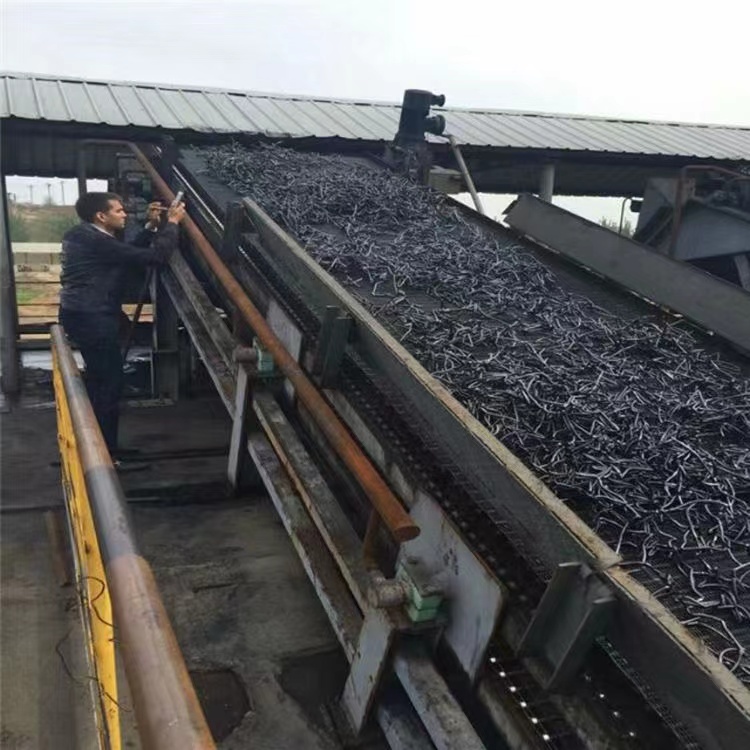
Sourcing petroleum coke from China is a well-established practice, but it requires careful planning. The logistics chain involves several key steps, and managing them efficiently is the hallmark of a good supplier. First is production and packaging. The coke is typically shipped in bulk vessels or packed in large 1-tonne bags for easier handling, depending on the client's needs.
The next step is inland transportation from our factory to the port. We have a dedicated logistics team that ensures the trucks are loaded and dispatched on schedule to meet the vessel's cutoff time. At the port, all export documentation must be perfect. This includes the bill of lading, certificate of origin, and a detailed chemical analysis report. Any error here can cause major delays at customs on your end. This is where experience matters. We have been handling international shipments for years and have the process down to a science.
Finally, there's the ocean freight itself. We work with reputable carriers to secure space on vessels and provide you with tracking information so you can monitor your shipment's progress. We understand that for a procurement officer, predictability is everything. You need to know when your feedstock will arrive. By managing every step of this process with precision, we eliminate the logistical pain points that many buyers face when dealing with less experienced suppliers. The goal is a seamless, door-to-door experience that lets you focus on your own operations.
The Future of Petroleum Coke: Trends in Gasification and Feedstock Usage?
The world of industrial materials is always evolving, and petroleum coke is no exception. While its traditional uses as a fuel and carbon source remain strong, new applications are emerging that promise to increase its value and improve its environmental profile. One of the most promising trends is gasification. In this process, petroleum coke is reacted with oxygen and steam at high temperatures to produce syngas—a mixture of hydrogen and carbon monoxide. This syngas can then be used to generate clean electricity or as a chemical feedstock for producing fertilizers, methanol, and other valuable products. Gasification offers a way to use high-sulfur coke cleanly, as the sulfur can be captured and removed during the process.
Furthermore, as oil refineries get better at processing heavier and more sour crude oil and oil sands (a source of bitumen), the global supply of petroleum coke is expected to grow. This makes it an increasingly important and cost-effective hydrocarbon resource. Research is also ongoing into new ways to upgrade coke, creating novel carbon-based materials and improving the efficiency of processes like catalytic cracking. The future for petroleum coke is not just about burning it for heat; it's about using it as a sophisticated feedstock in the next generation of chemical and energy technologies. Petroleum coke remains a vital commodity, and its journey from a refinery byproduct to a key industrial input continues to evolve.
Key Takeaways to Remember:
- Petroleum Coke (Petcoke) is a valuable, carbon-rich solid created from the heaviest parts of crude oil during the refining process.
- The main types are Sponge Coke, Shot Coke, and the premium Needle Coke, each with different industrial uses.
- Sulfur content is the most critical quality factor, with low-sulfur coke commanding higher prices for applications like aluminum smelting.
- Calcined Petroleum Coke is a purified, high-temperature version of green coke essential for making anodes and graphite electrodes.
- Compared to coal, petroleum coke has higher energy and lower ash but can have very high sulfur, making it a specialized fuel.
- Choosing a reliable supplier means prioritizing transparent communication, verifiable quality control, technical support, and proven logistics to avoid common purchasing pain points.
- The future of coke includes advanced applications like gasification, turning it into a clean energy feedstock.
Post time: 08-11-2025