

As a factory owner, Allen, with over two decades of experience in producing high-quality coal tar and petroleum products, I've spoken with hundreds of procurement officers like you. I understand that when you're sourcing materials for major projects, from highways to industrial lots, you need more than just a product; you need reliability. This article is your comprehensive guide to understanding the very core of asphalt pavement. We will break down the science behind the asphalt mixture, explore what makes a pavement last, and discuss how the right binder and aggregate can prevent premature failure, like cracking. You'll gain the technical insights needed to assess quality, ask the right questions, and ensure your investment leads to a durable, long-lasting asphalt surface. This isn't just about buying asphalt; it's about buying confidence.
What Exactly is an Asphalt Mixture and Why Does Its Composition Matter?
An asphalt mixture is the backbone of the roads, parking lots, and industrial surfaces we rely on every day. At its simplest, it's a composite material made primarily of two key ingredients: asphalt binder and aggregate. Think of it like a recipe. The binder is the sticky, black, viscous material (also known as bitumen) that holds everything together, while the aggregate—a mix of sand, gravel, and crushed stone—provides the structural strength and stability. The precise ratio and quality of these components determine the final performance of asphalt mixtures. A well-designed asphalt mixture ensures the pavement can withstand traffic loads, resist water damage, and endure temperature fluctuations without failing.
The importance of the composition cannot be overstated. If the asphalt binder content is too high, the pavement might become soft and prone to rutting or deformation under heavy loads, especially in warm climates. If it's too low, the asphalt mixture will lack durability, leading to a brittle asphalt surface that is susceptible to a common and costly problem: the dreaded crack. Furthermore, the aggregate structure must be designed to create a strong, interlocking skeleton. The interaction between the binder and the aggregate is what gives the asphalt its strength. A poor mix design can lead to a host of issues, significantly shortening the service life of the pavement and resulting in expensive repairs.
As a supplier, my focus is on ensuring every batch of asphalt we produce has the perfect composition for its intended application. Whether it's for a high-traffic highway or an industrial facility, the asphalt mixture must be engineered for performance. This means rigorous testing of both the raw asphalt binder and the aggregate to ensure they meet specific standards. We analyze factors like viscosity, adhesive properties, and the gradation of the aggregate to create a product that is not just a mixture, but a high-performance engineering material. This attention to detail is what separates a short-lived pavement from one that provides decades of reliable service.
How Does the Asphalt Binder Dictate Pavement Durability and Performance?
The asphalt binder is the active ingredient in any asphalt mixture. While it typically only makes up about 5-6% of the mixture by weight, its properties have an outsized impact on the overall durability and performance of the final pavement. The binder serves several critical functions: it acts as a powerful adhesive to coat and bind the aggregate particles together, it provides waterproofing to protect the underlying layers of the pavement from moisture damage, and its viscoelastic nature allows the asphalt to flex under load without breaking. The quality of this binder is paramount. A low-quality binder can become brittle at low temperature conditions, leading to thermal cracking, or too soft at high temperatures, causing rutting.
The selection of the right asphalt binder is a science. Binders are graded based on their performance at different temperatures. For instance, a binder intended for a hot desert climate will have very different properties than one designed for a region with freezing winters. This is where concepts like polymer-modified asphalt come into play. By introducing a polymer into the asphalt binder, we can significantly enhance its properties. A polymer-modified binder offers better resistance to deformation, improved elasticity, and a wider effective temperature range. This makes the resulting asphalt pavement much more resilient and less likely to crack.
For procurement professionals like Mark, understanding the binder is key to specifying the right product. When discussing your needs with a supplier, you should ask about the performance grade (PG) of the binder they use. This grade tells you the climatic conditions for which the asphalt is designed. From my experience at FTY, providing clear documentation on the binder's properties and certifications builds trust. We ensure our customers know exactly what they're getting, whether it's a standard asphalt binder for a simple project or a high-performance modified asphalt for a demanding application. A superior binder is a direct investment in the longevity of the asphalt pavement.
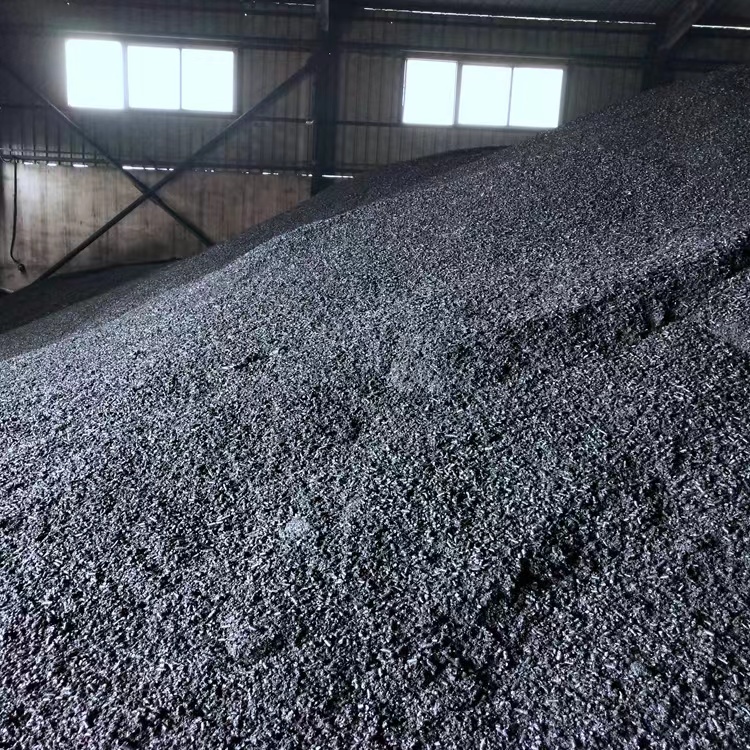
Why Does Asphalt Crack, and How Can You Prevent It?
A crack in an asphalt pavement is more than just a cosmetic issue; it's a sign of structural distress and the beginning of a cycle of deterioration. If left untreated, a small crack allows water to penetrate the pavement structure. In cold climates, this water freezes, expands, and widens the crack. Over time, this leads to potholes and widespread failure, a process known as crack propagation. Understanding the causes of a crack is the first step toward prevention. The most common reasons for a crack include thermal stress (from temperature changes), fatigue from repeated traffic loads, and issues with the underlying base layers of the pavement.
Preventing a crack starts with a robust mix design. The fracture properties of asphalt mixtures are a critical area of study. A good asphalt mixture must have enough tensile strength to resist being pulled apart by stress. This is heavily influenced by the quality of the asphalt binder and the type of aggregate used. For example, an overly stiff asphalt binder might perform well in the heat but will become brittle and crack easily at low temperature. The goal is to create an asphalt that is flexible enough to handle thermal contraction and strong enough to bear loads without developing a crack. This balance is key to the long-term performance of asphalt mixtures.
In my factory, we focus on engineering asphalt products with superior fracture resistance. This involves careful selection of the binder and sometimes incorporating a special additive or polymer to improve flexibility and toughness. Proper construction techniques are also vital. Ensuring the asphalt is laid on a stable base and properly compacted reduces the risk of a future crack. For existing pavements, timely maintenance is crucial. Sealing a minor crack as soon as it appears can prevent it from growing and compromising the entire pavement. Ultimately, avoiding a crack is a combination of using high-quality materials, expert engineering, and sound construction practices. It's an investment that pays off by extending the life of asphalt significantly.
Hot Mix Asphalt vs. Cold Mix Asphalt: Which is Right for Your Project?
When you decide to pave a surface, one of the first choices you'll face is between hot mix asphalt (HMA) and cold mix asphalt. The difference is fundamental and lies in the manufacturing and application process. Hot mix asphalt is the industry standard for most major paving projects. It's produced at high temperatures (around 300-350°F or 150-175°C), which keeps the asphalt binder in a liquid state, allowing it to thoroughly coat the aggregate. This hot asphalt is then transported to the job site, laid down, and compacted while still hot. The result is a strong, dense, and highly durable pavement that can handle heavy traffic almost immediately after it cools and hardens.
Cold mix asphalt, or cold patch asphalt, on the other hand, is produced with an emulsified asphalt binder that is mixed with water or a solvent. This allows the asphalt mixture to be workable at much lower, even ambient, temperatures. Because it doesn't require heating, it's more convenient for smaller jobs, remote locations, or repairs. It's the go-to material for filling a pothole or patching a crack in an asphalt driveway. However, cold asphalt has its limitations. The pavement it creates is generally less durable and has a lower load-bearing capacity than HMA. It takes longer to fully cure as the water or solvent evaporates, and it's not suitable for structural layers of a major asphalt pavement.
So, which should you choose? For any new pavement construction, structural overlays, or high-traffic areas, hot mix asphalt is the superior choice. Its strength, durability, and smooth finish are unmatched. Cold asphalt is best reserved for temporary repairs and maintenance. Think of it as a bandage for your pavement—it's an effective solution to fix a problem like a crack or pothole quickly, but it's not a permanent structural fix. As a producer, we supply the high-quality asphalt products that form the basis for both types, ensuring that whether you're building a new highway with HMA or making a simple repair, the material quality is never a compromise.
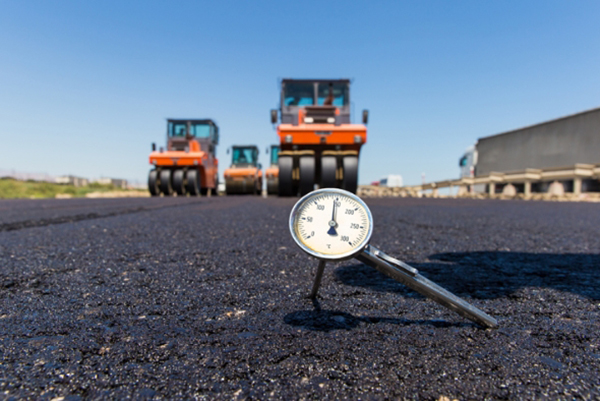
Why is Proper Compaction So Critical for a Long-Lasting Asphalt Surface?
You can have the best asphalt mixture in the world, but if it's not properly compacted, the pavement will fail. Compaction is the process of using heavy rollers to press the freshly laid asphalt together, reducing the volume of air voids and increasing its density. This step is arguably one of the most critical in the entire paving process. The primary goal of compaction is to force the aggregate particles into a tight, interlocking arrangement, which creates a strong and stable asphalt surface capable of withstanding the immense pressures of traffic.
Proper compaction directly impacts several key asphalt properties. First, it significantly increases the strength and stability of the pavement. A well-compacted asphalt layer can better distribute loads, preventing rutting and deformation. Second, it reduces permeability. By minimizing the air voids, compaction makes it much harder for water to seep into the asphalt, protecting it from moisture damage, stripping (where the binder separates from the aggregate), and freeze-thaw cycles that can cause a crack. This enhanced durability dramatically extends the service life of the asphalt pavement.
Achieving the right level of compaction is a delicate balance of temperature, timing, and technique. The asphalt must be compacted while it's still hot and pliable enough to be molded. If the asphalt mixture cools too much, it becomes stiff and impossible to compact effectively. This is a common point of failure in paving operations and a concern I often hear from clients. A lack of compaction will inevitably lead to a weak pavement that is prone to an early crack. Therefore, ensuring your paving contractor has the right equipment and follows strict temperature and rolling pattern guidelines is essential for a successful project. When we supply asphalt, we provide clear specifications for optimal compaction to help our clients achieve the best possible results.
How Do Additives Create Superior Modified Asphalt Mixtures?
Standard asphalt is a remarkable material, but for the most demanding applications, we can enhance its performance even further by creating a modified asphalt. This is done by introducing a special additive into the asphalt binder during the manufacturing process. These additives are designed to target and improve specific asphalt properties, resulting in a superior asphalt mixture that can outperform conventional materials in challenging environments. The most common and effective additives are polymers.
Adding a polymer to the asphalt binder creates what is known as polymer-modified asphalt (PMA). The polymer molecules form a network within the asphalt, dramatically improving its elasticity and toughness. A polymer-modified binder makes the pavement more resistant to rutting at high temperatures and less susceptible to thermal cracking at low temperature. This means the asphalt can stretch and rebound under stress without forming a permanent crack or deformation. This is especially valuable for high-traffic highways, airports, and industrial parking lots where the pavement is under constant strain.
Beyond polymers, other types of additives can be used. Anti-stripping agents can be included to improve the adhesive bond between the asphalt binder and the aggregate, which is particularly important for aggregates that are prone to moisture damage. Fibers can be added to the asphalt mixture to increase its tensile strength and resistance to a crack. As a manufacturer, we offer a range of these products, including high-quality High temperature asphalt designed for extreme conditions. The use of a carefully selected additive is a key strategy for engineering an asphalt pavement with a longer lifespan and lower life-cycle costs. It's a testament to how modern chemistry can elevate a traditional material to new levels of performance.
Can You Trust Recycled Asphalt Pavement (RAP) for High-Performance Jobs?
The use of reclaimed asphalt pavement (RAP) is one of the biggest success stories in the paving industry. RAP is essentially old asphalt pavement that has been milled off and crushed into an aggregate-like material. Incorporating RAP into a new asphalt mixture is a fantastic way to recycle materials, reduce costs, and lower the environmental footprint of a project. However, a common question I receive from procurement officers is whether mixtures containing RAP can truly match the performance of those made with 100% virgin materials. The answer is a resounding yes, but with an important caveat: it must be done correctly.
When you recycle old asphalt, you are not just reusing the aggregate; you are also reusing the aged asphalt binder that coats it. This aged binder is typically stiffer and more brittle than new binder. If you simply add a high percentage of RAP to a mix without adjusting the recipe, the resulting asphalt mixture can be too stiff, increasing the risk of a premature crack, especially at low temperature. This is one of the potential detrimental effects of using a high rap content. The key is to account for the properties of the aged binder in the mix design.
To create a high-performance recycled asphalt mix, we often use a softer grade of new asphalt binder or special rejuvenating agents. These agents help to restore some of the flexible properties of the aged binder in the RAP, resulting in a final asphalt mixture with the desired performance characteristics. Many departments of transportation now successfully use mixes with significant rap content, achieving excellent results in both durability and fracture resistance. When properly designed and produced, a recycled asphalt pavement can offer a service life and performance comparable to a conventional asphalt mix, making it a smart, sustainable, and cost-effective choice. It's about intelligent engineering, not just simple recycling.
Understanding Gradation: How Aggregate Size Affects Your Pavement's Strength
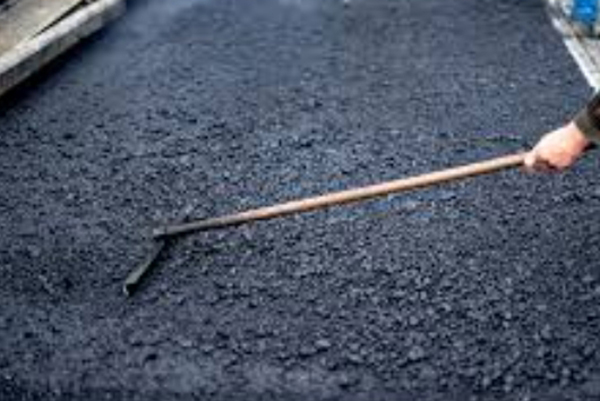
While the asphalt binder gets a lot of attention, the aggregate is the unsung hero of the asphalt pavement. It makes up over 90% of the asphalt mixture and forms the stone skeleton that provides the pavement's strength and stability. However, not all aggregate is the same. The secret to a strong pavement lies in gradation—the distribution of different particle sizes within the mix, from coarse stones down to fine sand and dust (fine aggregate).
A well-graded aggregate structure has a specific combination of large, medium, and small particles. The large, coarse stones provide the primary load-bearing structure. The smaller particles then fill the voids between the larger ones, creating a dense, tightly packed matrix. This dense gradation minimizes the space for the asphalt binder, which is the most expensive component, and reduces the air voids in the final compacted pavement. This interlocking structure is what gives the asphalt concrete its high modulus and strength to resist deformation under heavy trucks.
The gradation of the aggregate has a profound impact on the behavior of asphalt mixtures. A mix with too much coarse aggregate (an open-graded mix) will be very permeable, which is good for drainage but may lack the strength for heavy traffic. A mix with too much fine aggregate (a dense-graded mix) can be strong but may be prone to rutting if not designed properly. The optimal gradation depends on the specific application. For a high-strength surface course, a specific gradation is required to maximize durability and skid resistance. For a base layer, a different gradation might be used to prioritize stability. At my factory, we work with clients to understand their needs and ensure the aggregate gradation in their asphalt product is perfectly tailored to their project.
Asphalt is a thermoplastic material, meaning its properties change significantly with temperature. While much attention is paid to high-temperature performance to prevent rutting, the behavior of an asphalt pavement at low temperature and intermediate temperature ranges is just as critical for its overall lifespan, particularly concerning its resistance to a crack. Understanding these temperature effects is essential for selecting the right asphalt for your climate.
At low temperature, the asphalt binder contracts and becomes stiff and brittle. If the tensile strength of the asphalt mixture is exceeded by these thermal stresses, a transverse crack will form. This is a major issue in northern climates. The fracture behavior of asphalt at low temperature is a key performance indicator. A good asphalt mix needs a binder that remains flexible enough to accommodate this contraction without fracturing. This is where fracture tests and fracture energy measurements become vital in the lab to predict how an asphalt will perform in the real world. A polymer-modified asphalt often shows superior low temperature performance due to its enhanced flexibility.
The intermediate temperature range (roughly 10°C to 40°C or 50°F to 104°F) is where fatigue cracking often occurs. This type of crack is caused by the repeated bending and flexing of the pavement under traffic loads. Over millions of cycles, a small crack initiates and grows. An asphalt mixture must be designed to be both stiff enough to distribute loads but also flexible enough to endure this repeated strain. This is a complex balance. The performance of asphalt mixtures at intermediate temperature is often evaluated using the semi-circular bend test or other methods to assess the fracture resistance of the asphalt. Choosing an asphalt product like our Medium temperature asphalt block ensures you have a material engineered to perform reliably across these critical temperature ranges, preventing the initiation of a devastating crack.
A Factory Owner’s Guide to Quality Control for Asphalt Products
As someone who communicates daily with procurement leaders like Mark, I know that your biggest pain points are often not about price, but about trust and reliability. You worry about shipment delays, inefficient communication, and, most importantly, receiving a product that doesn't meet quality standards. This is why a robust quality control (QC) program is the most important thing a supplier can offer. It’s the difference between a successful project and a costly failure involving a premature crack or deformation.
Our QC process at FTY is built on transparency and verification. It starts with the raw materials. Every batch of asphalt binder and aggregate is tested before it even enters our production line. We verify certifications, test physical properties, and ensure everything complies with ISO standards and project specifications. During production, we continuously monitor the asphalt mixture for temperature, binder content, and gradation. This isn't a random spot check; it's a constant process. After production, samples from the final asphalt product are taken for a battery of performance tests in our lab. We measure things like fracture parameters, resilient modulus, and resistance to moisture damage to confirm the asphalt will perform as expected.
Finally, we address the logistics and communication pain points head-on. Clear documentation, including all QC test results and certifications, accompanies every shipment. We provide real-time updates on production and shipping, so you are never in the dark. This proactive communication prevents delays and allows you to plan your pavement construction schedule with confidence. My advice to any buyer is to dig deep into a potential supplier's QC process. Ask for sample reports, ask about their testing procedures, and ask how they handle communication. A good partner will be proud to show you how they guarantee the quality of their asphalt, ensuring you get the durable, reliable pavement you paid for. This commitment is the foundation of a long-term business relationship.
Key Takeaways
To ensure you invest in a durable and high-performance asphalt pavement, remember these crucial points:
- Composition is King: The final performance of asphalt mixtures depends entirely on the quality and ratio of the asphalt binder and aggregate. Never compromise on the core components.
- Prevent a Crack Before It Starts: The best way to deal with a crack is to prevent it. This requires a flexible and tough asphalt mixture, especially one designed for your climate's low temperature extremes.
- Compaction is Not Optional: The strongest asphalt mixture will fail without proper compaction. It's a critical step that ensures density, strength, and water resistance for the pavement.
- Consider Modified Asphalt for Tough Jobs: For high-traffic or extreme weather applications, a polymer-modified asphalt offers superior resistance to rutting and cracking, providing a better long-term return on investment.
- Demand Quality Control: Partner with suppliers who have a transparent and rigorous quality control process. Verifiable testing and clear communication are your best insurance against product failure and project delays.
Post time: 08-05-2025