

As someone who has spent a career in the industrial materials business, my name is Allen, and I've seen firsthand how fundamental materials build the world around us. From our factory in China, we supply core products like coal tar and petroleum coke that are essential for heavy industry. While my direct customers, like Mark Thompson in the USA, are often focused on materials for aluminum and steel, the principles of handling industrial products are universal. One of the most fascinating and challenging of these is liquid asphalt. It's the lifeblood of our infrastructure, the very substance that creates the smooth surfaces we drive on every day. But how does this incredibly hot substance get from the refinery to the road? This guide will take you on the journey of hot liquid asphalt, explaining the critical role of heat, the challenges of the haul, and the safety practices required to lay a perfect pavement.
What Exactly is Liquid Asphalt and Why is it So Hot?
At its core, liquid asphalt is a black, sticky, and highly viscous substance derived from the fractional distillation of crude oil in a refinery. In the industry, we often call this binding agent asphalt cement or bitumen. You can think of it as the glue that holds a road together. In its natural state at ambient temperatures, asphalt cement is a solid or semi-solid—you could stand on it. To make it workable, to allow it to coat and bind together particles of aggregate (crushed stone and sand), it must be heated.
This is where the immense heat comes into play. The material is heated to high temperatures, typically between 250°F and 350°F (120°C to 175°C), to turn it into a fluid. The goal is to lower its viscosity—a technical term for its resistance to flow—so it can be pumped, transported, and mixed effectively. This hot liquid phase is essential for the paving process. Without this intense heat, you wouldn't be able to create the strong, durable, and flexible pavement that our transportation networks rely on.
How is a Hot Asphalt Mix Produced at the Plant?
The creation of the final paving material, known as hot mix asphalt (HMA), happens at a specialized facility called an asphalt plant. This is where the science of road building truly comes to life. The plant has two main sets of ingredients: the asphalt cement and the aggregate. The liquid asphalt cement is stored in large, insulated, and heated tanks to keep it at the correct fluid temperature. The aggregate, which makes up about 95% of the final mix, is stored in large piles and is also heated in a rotating drum to remove moisture and bring it up to temperature.
Once both main components are sufficiently hot, they are carefully measured and combined in a mixing chamber, or pugmill. The superheated asphalt cement completely coats each particle of aggregate, forming a uniform, black, workable mixture. From the mix plant, this hot mix is then loaded directly into a dump truck to begin its journey to the construction site. The entire process is a race against time, as the mix begins to cool the moment it leaves the chamber.
What are the Key Steps in the Transportation of Hot Liquid Asphalt?
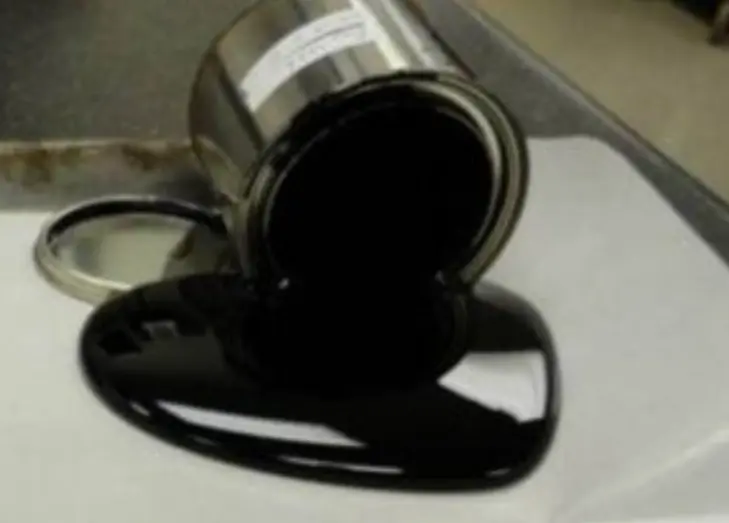
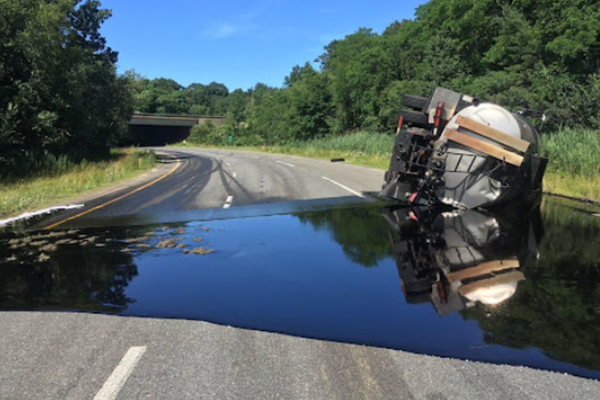
The transportation of asphalt can take two forms. First, the pure liquid asphalt (the asphalt cement) is transported from the oil refinery to the asphalt plant. This is typically done in a specialized insulated tanker truck. These tankers are designed to minimize heat loss and maintain the material in its liquid state over long distances. The driver of such a tanker is highly trained to handle this potentially hazardous material safely.
The second and more common form of transportation involves moving the final hot mix from the plant to the paving site. This haul is done using dump trucks. While they may look standard, the beds of these trucks are often insulated to help retain heat. A clean truck bed is crucial; any leftover material can create cold spots in the new load. The driver must also cover the load with a heavy-duty tarp to protect it from the elements and, more importantly, to keep the heat in. This journey is a critical phase in the paving procedure.
How is the High Temperature Maintained During the Haul?
Maintaining heat during the haul is the single biggest challenge in asphalt transport. As soon as the hot mix is loaded into the truck, it starts losing thermal energy to the surrounding air. The rate of cooling depends on several factors: the initial temperature of the mix, the grade of the asphalt, the length of the haul, the outdoor temperature, and wind speed. A long haul on a cold, windy day is a recipe for a failed pavement if not managed correctly.
To combat this, several strategies are used. As mentioned, insulated truck beds and heavy tarps are standard. Logistics are also key. The asphalt plant is often located as close as possible to the paving project to shorten the travel time. Dispatchers carefully schedule each truck to ensure a continuous supply of material arrives at the paver, preventing delays where a loaded truck might sit and cool. The goal is to deliver the mix within a very specific temperature window, ensuring it’s still workable and can be properly compacted.
What Safety Measures Must a Driver and Worker Follow?
Working with hot liquid asphalt is dangerous, and safety is non-negotiable. The primary hazard is severe thermal burns from contact with the material, which can be over 300°F. Any worker involved in the process, from the plant operator to the paving crew, must wear appropriate Personal Protective Equipment (PPE). This includes heat-resistant long-sleeved shirts and pants, steel-toed boots, and most importantly, thermal-resistant gloves and safety goggles or a face shield.
Beyond burns, there is a risk from the fumes. Liquid asphalt contains volatile hydrocarbons that are released as vapor when heated. Proper ventilation is essential. Workers should also be aware of the ignition risk. Although it's not as flammable as gasoline, asphalt fumes can ignite. It is strictly forbidden to have an open flame, such as a propane torch or even a cigarette lighter, near an open tanker or a fresh load of hot mix. The driver must be especially cautious during loading and unloading, as this is when splashes are most likely to occur.
How Can an Employer Protect Workers Handling Hot Asphalt?
The responsibility for safety ultimately rests with the employer. A company must establish and enforce a comprehensive safety procedure for handling hot materials. The first step is to train every worker on the specific hazards of asphalt used in their operations and the correct safety protocols. This training should be ongoing and regularly refreshed. The employer must provide all necessary PPE and ensure it is used correctly at all times.
Beyond training, engineering controls can significantly enhance safety. This can include installing splash guards on pipes and hose connections, using automated loading systems to reduce worker exposure, and ensuring all equipment has proper safety railings and non-slip surfaces. A good employer will also have a clear emergency response plan in place for spills or injuries. The ultimate goal is to create a work environment where every worker feels empowered to protect themselves and their colleagues.
What are the Best Practices for Laying the Hot Mix to Pave a Road?
Once the truck arrives at the job site, the final part of the process begins. The best paving jobs start with proper preparation. If it's a repaving project, this often involves a milling machine grinding off the old, damaged top layer of asphalt to create a stable base. The truck then carefully backs up to the front of a paving machine and slowly unloads the hot mix into its hopper.
The paving machine then distributes the asphalt in a uniform mat of a specific thickness. Right behind the paver, a series of heavy rollers begins the compaction process. This is a critical step that must be done while the asphalt is still hot and pliable. The rollers squeeze the air out of the mix, forcing the aggregate particles together to create a dense, strong, and waterproof layer. The result of this carefully choreographed operation is a smooth, durable road surface.
Are There Different Grades of Liquid Asphalt?
Yes, not all asphalt cement is the same. There are various grades of binder, and the right one is chosen based on the climate of the region and the expected traffic load on the road. The Performance Graded (PG) system is a common standard in places like the USA. A PG binder is rated for the high and low temperatures it can handle. For example, a PG 64-22 binder is designed to perform well in areas where the average 7-day maximum pavement temperature is 64°C (147°F) and the minimum is -22°C (-8°F).
In addition to standard asphalt cement, there are also modified asphalts. Polymers or other additives like those found in Asphalt powder can be blended with the binder to enhance its properties, making it more resistant to cracking in the cold or rutting in the heat. Another type is an emulsion, where droplets of asphalt are suspended in water. Emulsions are often used for less demanding applications like chip seals or surface treatments and can be applied with less heat, which is sometimes an advantage.
How Does the Mix Create a Durable Pavement Surface?
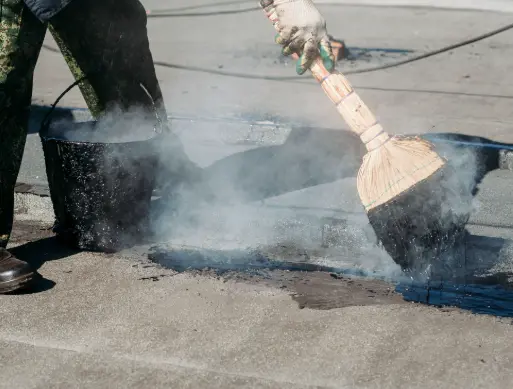
The final strength of a road comes from the symbiotic relationship between the asphalt cement and the aggregate. The aggregate provides the structural backbone, the load-bearing capacity, and the skid resistance for the tire. The asphalt binder, while only making up about 5% of the mix by weight, is the glue that holds this stone skeleton together.
When the hot mix is compacted, the binder creates a waterproof film around every piece of aggregate, locking them in place. This creates a pavement that is both strong and flexible. It can support the weight of a heavy truck but also flex slightly with temperature changes and ground movement, which helps prevent cracking. Over time, to extend the life of the pavement and protect it from oxidation and water intrusion, a seal coat is often applied as part of a regular maintenance program. This is why a well-built asphalt road is such a remarkable piece of engineering.
What are the Overall Best Practices for Asphalt Transportation and Paving?
Ensuring a high-quality, long-lasting asphalt pavement requires a commitment to best practices throughout the entire process, from the plant to the final rolling. It's a chain where every link is equally important. It starts with a quality-controlled mix design, ensuring the right blend of binder and aggregate for the job.
During transport, minimizing heat loss is the top priority. This means using clean, insulated trucks, effective tarps, and smart logistics to shorten the haul time. On the job site, the paving crew must work as a coordinated team to lay and compact the asphalt before it cools. Every step requires precision and a deep understanding of how the material behaves. When you see a crew working seamlessly to pave a new highway, you're watching a complex and highly skilled operation that turns a hot, sticky substance into the backbone of our modern world. From a supplier perspective, seeing a final product like our High temperature asphalt used correctly in a major infrastructure project is a source of great pride.
Key Takeaways to Remember
- Heat is Essential: Liquid asphalt must be kept extremely hot (250-350°F) to be workable, turning it from a solid into a fluid binder.
- Transportation is a Race: The journey from the asphalt plant to the job site is a race against time to prevent the hot mix from cooling down too much.
- Safety First: Handling hot asphalt requires strict safety protocols, including comprehensive PPE, to prevent severe thermal burns and other injuries.
- Compaction is Critical: The hot mix must be compacted by heavy rollers while it's still hot to create a dense, strong, and durable pavement surface.
- Quality is a Process: A high-quality road is the result of best practices at every stage, including mix design, transportation logistics, and the skill of the paving crew.
Post time: 12-09-2025