
Let's talk about the hidden backbone of modern industry. You might not see it, but it powers electric vehicles, builds airplanes, and helps smelt the metals we use every day. I am talking about the rise of coal tar pitch based carbon. For a smart procurement manager, navigating the global coal tar pitch market can feel overwhelming. Price fluctuations, supply chain snags, and quality deviations are daily challenges. But reading this guide will reveal how sourcing the right carbon and pitch materials saves money, ensures batch-to-batch consistency, and avoids costly factory shutdowns.
What Exactly Is Pitch and How Does It Connect to the Global Coal Tar Pitch Market?
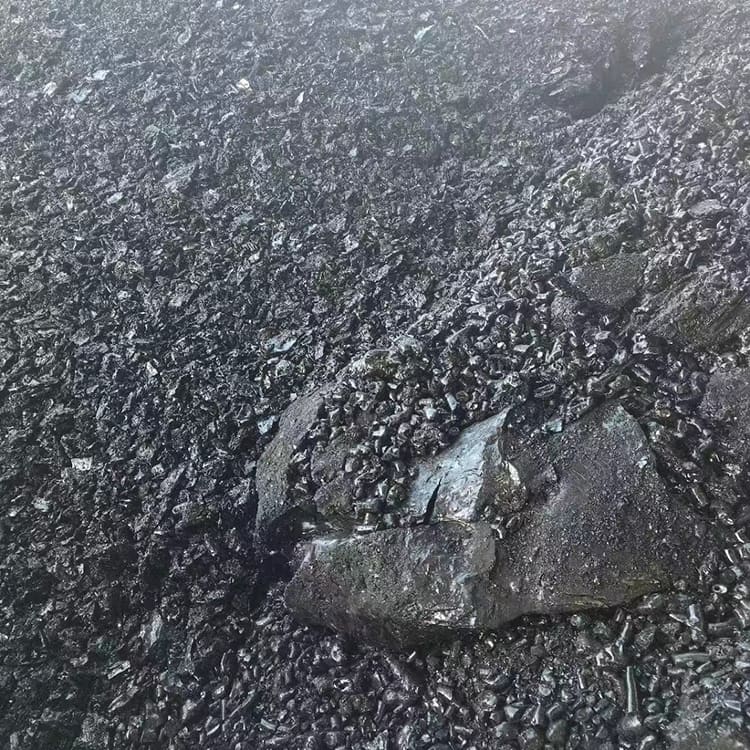
Pitch is a thick, black, and highly viscous substance. It is absolutely vital for heavy industries worldwide. Many people get confused, but tar and pitch are often distinct by-products, even though they are deeply related. Pitch comes from the controlled distillation of tar. The use of coal in massive industrial coking ovens produces coal tar, which we then process. Different types of coal yield different properties in the final product.
When we examine the global coal tar pitch market, we see a huge, unyielding demand for this core ingredient. It consists of highly complex organic materials and polycyclic aromatic hydrocarbons. Yes, pahs sound like a complicated chemical term. But these tightly linked polycyclic rings are exactly what give the material its incredible structural strength when it is heated. They form a resilient network that withstands immense pressure.
Choosing the right raw material sets the stage for your entire production success. You want consistent batches every single time. No factory manager wants to stop production because a fresh batch of pitch products acts weird in the mixer or clogs up the machinery. This chemical consistency is the golden ticket in the global coal tar pitch market.
How Do We Refine Coal Tar Pitch for High-Performance Industrial Applications?
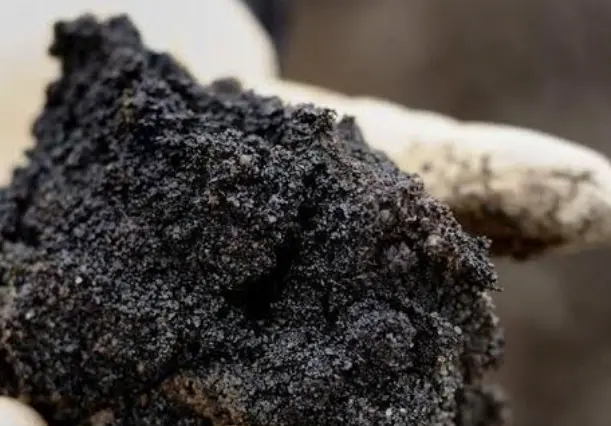
To make usable commercial products, we must carefully refine the raw tar. The manufacturing process is called coal tar distillation. We heat the tar in giant towers, boiling off and removing the lighter oils. What remains at the very bottom of the tower is our highly valuable coal tar pitch. Procurement teams looking for high-grade supplies know this processing phase must be perfectly exact.
You need high-quality pitch to achieve the correct softening point. The softening point dictates how the material flows and melts when heated in your factory. If the material is too soft, it melts too soon and ruins the mixture. We also strictly measure thermal stability. A stable pitch survives extreme factory conditions without breaking down or catching fire prematurely.
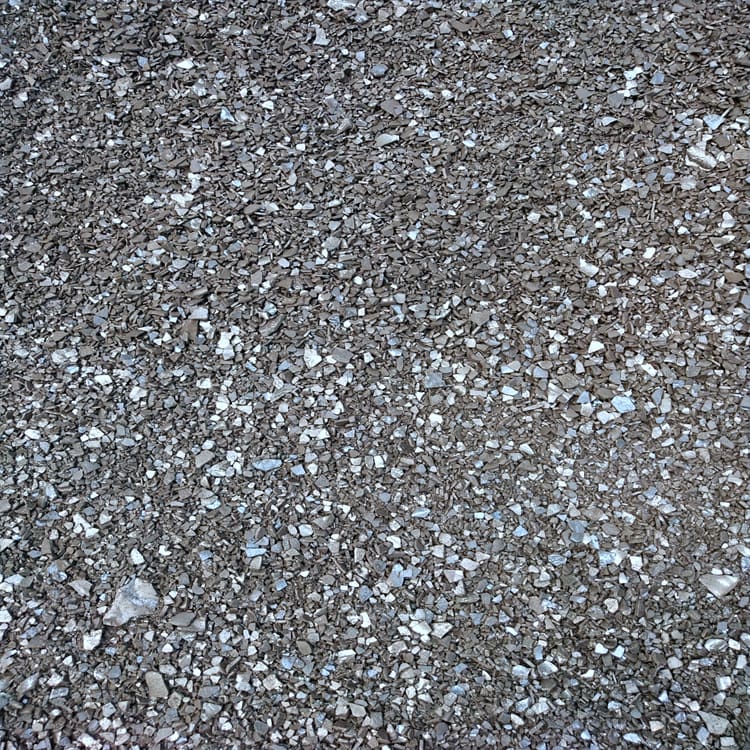
The exact properties and applications vary greatly depending on the buyer's needs. Some plants need liquid forms, while others prefer solid ball pitch for easier, dust-free handling. From robust road construction to advanced materials science, these broad industrial applications rely heavily on precisely refined materials.
What Makes Coal Tar Pitch So Vital for Carbon Anodes in Aluminum Smelting?
Let's talk about heavy metal. The aluminum and steel industries are massive, hungry buyers. Specifically, aluminum smelting relies entirely on carbon anodes. You literally cannot make commercial aluminum without them. In this process, the pitch is used as a binder. It acts as an industrial glue, binding petroleum coke particles tightly together to form the massive anode blocks used in smelting pots.
Why is its use in aluminum smelting so popular globally? Because it provides an exceptionally high carbon content when baked. The demand for coal tar pitch goes hand-in-hand with the soaring demand for aluminum. With the increasing use of aluminum in electric cars, aircraft, and lightweight packaging, smelters are running at full capacity day and night.
This intense activity pushes the coal tar pitch demand through the roof. A smart procurement manager must lock in steady coal tar pitch production sources well in advance. Without a reliable supply, your factory risks huge delays. A strong, consistent binder ensures the anode doesn't crumble or crack in the boiling smelting pot.
Petroleum Pitch vs. Coal Tar Pitch: Which Offers Better Carbon Purity?
You might wonder if you can just use petroleum instead. After all, traditional petroleum refining produces petroleum pitch. Both substances are dark, heavy, and carbon-rich. However, their internal chemical structures differ greatly. Coal tar pitch has a much higher aromatic structure. It is packed with stable, ring-shaped molecular formations.
Petroleum by-products tend to be more aliphatic, meaning they have straight-chain hydrocarbon molecules. When you heat them up to extreme temperatures during carbonization, the aromatic rings in coal tar pitch stack neatly into strong, graphite-like layers. This makes coal-derived pitch a vastly superior carbon source for high-end, demanding applications.
While you can certainly use pitch and tar derivatives from oil for some things, pitch-based carbon from coal often yields denser, stronger, and more conductive results. The global coal tar pitch market recognizes this distinct quality difference. Astute buyers carefully track the market share of both material types to negotiate better pricing for their bulk shipments.
Are You Ready for Advancements in Coal Tar Pitch Based Carbon and Energy Storage?
The world is rapidly shifting towards green energy. Electric batteries need carbon. Specifically, they need highly engineered coal tar pitch based carbon. Through careful chemical synthesis, brilliant scientists convert basic pitch into highly advanced materials. We often use a special intermediate stage called mesophase pitch.
Mesophase pitch exists in a unique liquid crystal state. It is absolutely perfect for spinning into a flexible carbon fiber or baking into battery anodes. This leads to massive advancements in carbon technology. The demand for carbon in the energy storage sector is exploding right now. Every new electric vehicle needs massive lithium-ion batteries, which in turn rely on superior carbon material.
Procurement pros must stay awake and watch these trends. Using coal tar to produce carbon materials like highly porous activated carbon helps engineers strictly control the material's pore size. Precise pore sizes trap energy ions perfectly in modern supercapacitors. This is not just old-school metal smelting; this is the cutting edge of green tech.
What Does Market Research Reveal About the Growing Demand for Coal Tar Pitch?
To buy smart, you need hard data. Good market research tracks the big global players. Massive companies like rain carbon inc and coopers creek chemical hold significant market share. They often set the pricing trends. When their prices go up due to raw material shortages, everyone down the chain feels the pinch.
Right now, the use of coal tar pitch is expanding into new territories. It isn't just about traditional tar products anymore. The global drive to create new coal tar pitch variants with fewer volatile emissions is shaking up the traditional supply chain. Buyers must watch global coal tar pitch production volumes very closely to anticipate shortages.
If a major manufacturing factory in China or Europe unexpectedly goes offline, the global ripple effect is incredibly fast. Securing a reliable High Quality Coal Tar Pitch Factory and Supplier guarantees that your supply of critical raw material doesn't simply vanish overnight.
How Do Environmental Regulations Shape the Global Coal Tar Pitch Market Today?
The global chemical industry faces strict and ever-changing environmental regulations. Because pitch naturally contains PAHs, factories must strictly monitor and control their industrial emissions. Governments worldwide want cleaner air and safer groundwater. So, leading suppliers are developing eco-friendlier processing methods to comply.
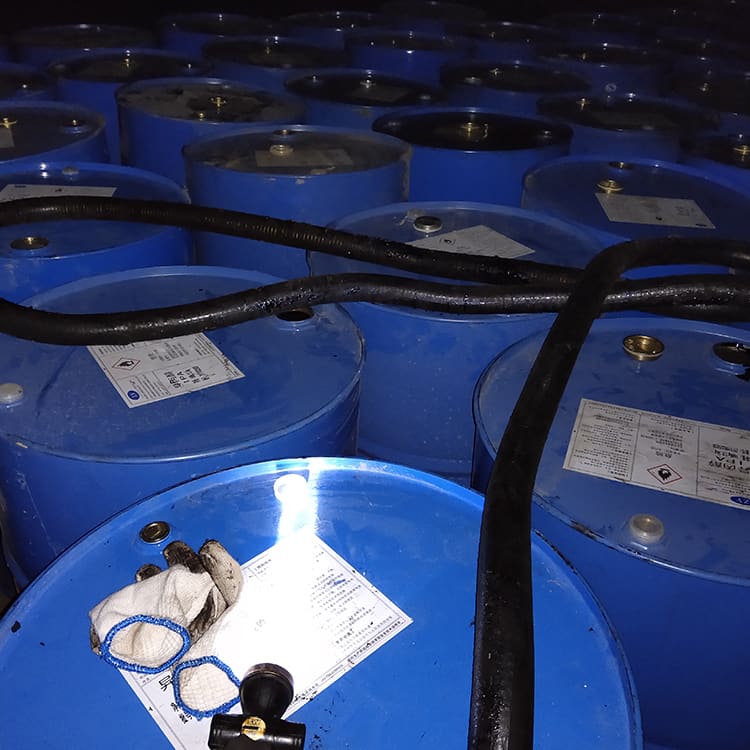
Does this affect your purchase price? Yes, it usually does. Cleaner technology and better scrubbers cost money. But it also creates much safer high-performance materials. Using coal responsibly is a top priority for modern businesses. Buyers want peace of mind above all else. Nobody wants to buy a cheap container of pitch only to have it seized at customs for failing environmental checks.
You must ask your supplier hard questions about their emission controls. Do they filter their factory exhaust? Do they manage their chemical waste safely? Verifying this ensures you receive a steady, legal flow of materials without regulatory headaches suddenly slowing down your production line.
Can We Create Pitch-Based Carbon Fiber for Automotive and Aerospace Uses?
Yes, we absolutely can, and we do it every day. The modern automotive and aerospace industries desperately need materials that are significantly lighter than steel but ten times stronger. They extensively use a specialized carbon fiber made directly from pitch. In this complex process, the pitch acts as a foundational precursor. We heat it, spin it into microscopic threads, and stretch it tight.
The resulting pitch-based carbon materials are truly incredible. They form a versatile derivative that gets expertly woven into a rigid composite. This lightweight composite is what builds modern airplane wings, space shuttles, and fast Formula 1 race cars. It is all about maximizing physical strength while drastically dropping the vehicle's weight.
A single carbon nanotube is microscopic and fragile alone, but millions of them woven together change the world. Using coal tar as a precursor is highly cost-effective compared to other synthetic chemicals. It is a very smart, calculated move for budget-conscious procurement teams trying to lower their raw material costs.
Why is Impregnation Pitch the Ultimate Binder for Graphite Electrodes?
Let's talk about the real heavy-duty stuff. Electric arc furnaces are used globally to melt scrap steel efficiently. To do this safely, they need a massive graphite electrode that can handle thousands of degrees without melting. The production of graphite electrodes relies on a very specific, highly refined type of pitch called impregnation pitch.
This special liquid pitch physically seeps deep into the microscopic holes of the solid electrode. It fills every single gap. Then, the factory bakes the whole unit at extreme heat. This intense baking process is called graphitization. It slowly transforms the entire piece into pure, solid carbon. The final result? Exceptional thermal conductivity and flawless electrical conductivity.
Without this specialized binder, the solid carbon electrode would simply shatter into pieces under the high temperature. The unique properties of coal make this intense heat transfer possible. So, when your factory needs to melt tons of steel, remember that a liquid black pitch is what made that giant lightning bolt of energy safe to use.
The ultimate secret to winning in the procurement world is building solid, long-term relationships. The global production of carbon relies on consistent, high-quality inputs. You cannot switch your carbon material supplier every single month and expect your final paints, plastics, or heavy electrodes to remain exactly the same color and strength.
Start by carefully evaluating the exact properties and applications you truly need. Do you need a sticky binder for smelting anodes? Or do you need a highly refined precursor for spinning fibers? Then, find a dedicated partner who genuinely understands the deep chemistry of the global coal tar pitch market. Look for reliable suppliers who offer premium high temperature coal tar direct from the manufacturing source.
You are not just buying bags of black powder or shiny flakes. You are buying the guarantee of production of carbon stability. Keep a very close eye on global pricing trends, always ask for lab samples before buying, and demand clear, honest communication from your partners. Using coal effectively is an art form. Make sure your supplier is a master artist.
Key Takeaways to Remember
- Understand the Material: Pitch and coal tar pitch are refined from tar and contain vital aromatic structures that make them perfect for industrial use.
- Aluminum Smelting is King: The demand for coal tar pitch is heavily driven by its role as a binder for carbon anodes in the aluminum industry.
- Coal vs. Petroleum: Coal-based pitch generally offers a superior, more aromatic carbon source for high-end graphitization compared to petroleum alternatives.
- Green Tech is the Future: Coal tar pitch based carbon is critical for energy storage, feeding the booming electric vehicle battery market.
- Aviation and Auto: It serves as an excellent precursor for making ultra-strong, lightweight carbon fiber used in aerospace.
- Electrodes Need It: Impregnation pitch fills the microscopic gaps in graphite electrodes, ensuring high conductivity and thermal stability in steel furnaces.
- Source Smart: Navigate the global coal tar pitch market by partnering with transparent suppliers who provide consistent raw material and comply with strict environmental regulations.
Post time: 07-08-2026