

Low-temperature cracking is a formidable adversary for road builders and procurement managers alike. It represents a significant failure mode where asphalt pavements lose their structural integrity due to thermal stress. This article dives deep into the science, materials, and solutions regarding low temperature cracking to help you make informed sourcing decisions for asphalt concrete and related materials. Whether you are dealing with cold regions or fluctuating temperature drops, understanding the cracking performance of asphalt pavements is vital for long-term cost control and road safety.
What exactly causes low temperature cracking in asphalt pavements?
When we talk about low-temperature cracking, we are essentially discussing a battle between physics and material science. Imagine a road stretching across a landscape. As the ambient temperature drops, the asphalt material naturally wants to contract. It shrinks. However, because the pavement is restrained by friction against the base layer and its own length, it cannot shrink freely. This resistance generates tensile stresses within the layer of asphalt.
If the temperature drops slowly, the asphalt binder might have time to relax these stresses through a phenomenon called creep. But, in cold regions where the temperature drops rapidly or hits an extreme lowest temperature, the asphalt becomes stiff and brittle. It acts less like a flexible gum and more like a pane of glass. When the thermal stresses exceed the tensile strength of the asphalt mixture, a crack snaps open. This cracking phenomenon usually manifests as transverse cracks—cracks that run perpendicular to the direction of the road, spacing themselves out at regular intervals.
For procurement professionals like Thomas, understanding this mechanism is key. It isn't just about buying "black rock." It is about sourcing asphalt binders and asphalt mixtures that possess the right elasticity and relaxation properties to handle these stresses. If you ignore the science of thermal cracking, you end up with a pavement that looks like a ladder of cracks after just one hard winter.
How do cold regions and average temperature affect the performance of asphalt pavements?
Cold regions are the ultimate testing ground for asphalt roads. In these areas, the performance of asphalt pavements is constantly under siege. It is not just about the absolute coldest night of the year; it is also about the large daily temperature fluctuations. When a road cycles between freezing at night and thawing during the day, the expansion and contraction put immense fatigue on the material. This is often referred to as thermal loading.
In places with a low average temperature, the asphalt concrete stays stiffer for longer periods. This stiffness might seem good for resisting rutting (deformation), but it is terrible for cracking performance. The microstructure of asphalt changes as it gets colder. The bitumen (the binder) hardens. If the specific type of asphalt used isn't engineered for that specific climate zone, low temperature cracking in asphalt is inevitable.
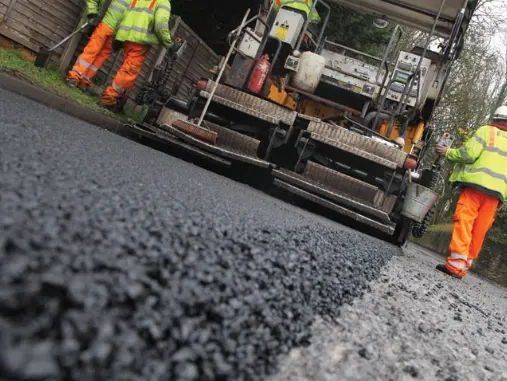
Engineers and suppliers must look at the critical cracking temperature. This is the threshold where the material fails. In cold environments, we need materials that can stay flexible even when the thermometer plunges. This is why standardizing the cracking performance of asphalt pavements through rigorous testing is so important for maintaining the asset value of infrastructure.
Why is the choice of asphalt binders critical for preventing cracks?
The asphalt binder is the glue that holds the asphalt mixtures together. It is the first line of defense against low temperature fracture. Not all binders are created equal. In the industry, we use a Performance Grading (PG) system. For example, a PG 64-28 binder is designed to withstand a high temperature of 64°C and a low of -28°C. Selecting the correct binder grade is the single most effective way to mitigate low-temperature cracking of asphalt pavements.
If a procurement manager tries to cut costs by purchasing a binder that isn't rated for the local lowest temperature, the pavement cracking will begin almost immediately. Soft binders generally perform better in cold weather because they have lower stiffness and better relaxation properties. However, they must be balanced so they don't become too soft in the summer.
We often see various asphalt products in the market, but consistency is key. We recommend high-quality sourcing to ensure the chemical composition remains stable. For projects requiring specific temperature resilience, utilizing a national standard medium temperature asphalt ensures that the baseline properties meet regulatory requirements, reducing the risk of premature failure.
Can modified asphalt improve the cracking performance of asphalt pavements?
Absolutely. Modified asphalt is a game-changer for cracking performance. By adding polymers like Styrene-Butadiene-Styrene (SBS) or rubber crumb to the base asphalt, we can significantly expand the useful temperature range of the material. Modified asphalt makes the binder more elastic. Think of it as adding a rubber band effect to the road surface. When the temperature drops and tensile stresses build up, the polymer chains allow the asphalt to stretch slightly without breaking.
Unmodified or "neat" asphalt often struggles in extreme climates. However, asphalt mixtures containing polymer modifiers show superior resistance to low-temperature cracking. They also resist fatigue cracking and rutting, offering a "two-for-one" benefit. While the upfront cost of modified asphalt is higher, the lifecycle cost is lower because the pavement lasts longer with fewer transverse cracks.
For high-demand projects, sourcing specialized modified asphalt can be the difference between a road that lasts 15 years and one that needs patching in 3. It improves the low temperature behavior of asphalt, making it a smart investment for regions with harsh winters.
How do we evaluate the low-temperature performance of asphalt mixtures?
You can't manage what you don't measure. To ensure we are buying the right material, we must evaluate the low-temperature performance using specific lab tests. The most common test for the binder is the Bending Beam Rheometer (BBR). This test measures the creep stiffness of asphalt and the rate at which it relaxes stress at low temperatures. A lower stiffness value generally indicates better resistance to low temperature cracking.
For the full asphalt mixture, the Thermal Stress Restrained Specimen Test (TSRST) is the gold standard. In this test, a beam of asphalt is cooled at a constant rate while being restrained from contracting. We measure the temperature at which the sample fractures. This gives us the critical cracking temperature.
Other methods include the Indirect Tensile Test (IDT), which measures the strength of the mix. By analyzing the temperature and bbr data alongside mixture tests, we can predict the performance of asphalt pavements before a single truck is loaded. This data-driven approach appeals to the analytical nature of modern procurement, ensuring no "off-spec" material enters the supply chain.
How does thermal cracking differ from fatigue cracks?
It is crucial to distinguish between thermal cracking and fatigue cracks because the solutions are different. Fatigue cracks, often called alligator cracking, are caused by repeated traffic loads. They usually start at the bottom of the pavement structure and propagate upward. They happen because the road is tired from carrying heavy trucks.
Thermal cracking, or low-temperature cracking, is environmental. It happens even if no cars drive on the road. It usually starts at the top of the surface and works its way down. These transverse cracks appear as straight lines across the road. While fatigue cracks indicate structural failure under load, thermal cracking indicates a failure of the material's temperature properties.
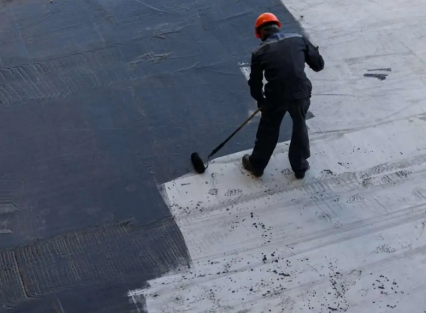
Understanding this distinction helps in selecting the right remediation. You don't fix a thermal crack by just making the pavement thicker (which fixes fatigue). You fix it by choosing a better asphalt binder or using asphalt mixtures based on better low-temp specs.
Does Reclaimed Asphalt Pavement (RAP) increase the risk of low-temperature cracking?
Sustainability is huge right now, and using Reclaimed Asphalt Pavement (RAP) is a standard practice. However, RAP is essentially old, aged asphalt. The binder in RAP is hard and brittle due to years of oxidation. If you add too much RAP to a new asphalt mix without adjusting the chemistry, you significantly increase the risk of low temperature cracking in asphalt pavements.
The recycled asphalt makes the overall mix stiffer. To potential counteract this, engineers use "rejuvenators" or softer virgin binders to balance out the hardness of the RAP. It is a delicate balancing act. The properties of asphalt mixtures with high RAP content must be carefully tested.
If done correctly, high-RAP mixes can perform well. But if the reclaimed asphalt pavement is just thrown in to save money without analyzing the binder cracking potential, the pavement will become prone to brittle fracture in the winter. We often supply additives that help integrate recycled materials safely. For instance, sometimes incorporating petroleum asphalt flakes can help adjust the consistency of the final product in industrial applications, ensuring the binder blend remains viable.
How does the aging of asphalt accelerate temperature cracking in asphalt pavements?
Asphalt is an organic material; it ages like us, though hopefully with fewer wrinkles. Over time, the aging of asphalt occurs due to reaction with oxygen (oxidation) and the loss of volatile components. This process changes the chemical balance of the bitumen—specifically the ratio of asphaltenes to maltenes. The asphalt becomes harder, more brittle, and less able to relax thermal stresses.
Oxidized asphalt is much more susceptible to cracking in asphalt pavements. A road that performed perfectly in its first winter might suffer severe low-temperature cracking in its fifth winter because the binder has aged. This is why long-term aging simulations are part of the evaluation of asphalt mixtures.
Maintenance strategies often involve sealing the surface to prevent oxidation. From a supply perspective, ensuring the initial asphalt cements have high durability and resistance to aging is vital. We must consider the performance of aged asphalt, not just the fresh mix.
What structural factors influence cracking in asphalt roads?
While the material is the main culprit, the pavement structure plays a role. The friction between the asphalt concrete layer and the base layer dictates how much stress builds up. A strong bond is good for traffic loads but can increase tensile stresses during cooling.
Furthermore, the thickness of the layer of asphalt matters. Thicker pavements hold heat longer but also have different thermal gradients. The type of aggregate used in the asphalt mixtures also affects the coefficient of thermal expansion. Aggregates that shrink less in the cold will result in less cracking in asphalt.
Proper design considers both the asphalt material and the aggregate skeleton. Using high-quality fillers and raw materials, such as asphalt powder, allows for a denser, more consistent mix that resists environmental ingress, thereby protecting the structural integrity.
How can we predict and prevent critical cracking in cold environments?
Prediction is the holy grail. We use complex models to predict the cracking temperature based on the binder's PG grade and the cooling rates of the region. The study of low temperature behavior has led to software that helps engineers design "crack-free" pavements.
Prevention starts with procurement.
- Select the right PG grade: Don't skimp on the low-temperature rating.
- Use modifiers: Polymers are your friends in cold regions.
- Control quality: Ensure batch-to-batch consistency.
- Design for aging: Assume the road will get brittle and plan for it.
By utilizing warm mix asphalt mixtures (WMA), we can also reduce the aging that happens during construction, leaving more "life" in the binder to fight off low temperature cracking later on.
What is the role of Warm-Mix Asphalt in reducing low temperature cracking?
Warm-mix asphalt (WMA) is a technology that allows us to produce asphalt mixtures at lower temperatures compared to traditional hot mix. This has a surprising benefit for cracking performance. Because the mix is not heated as high during production, the binder doesn't oxidize as much before it even hits the road.
This means the asphalt on the road is less aged and more flexible right from the start. Warm mix asphalt mixtures retain better relaxation properties, helping to mitigate formation of thermal cracks. Additionally, WMA often improves compaction, leading to a denser pavement that is more resistant to moisture and cracking damage.
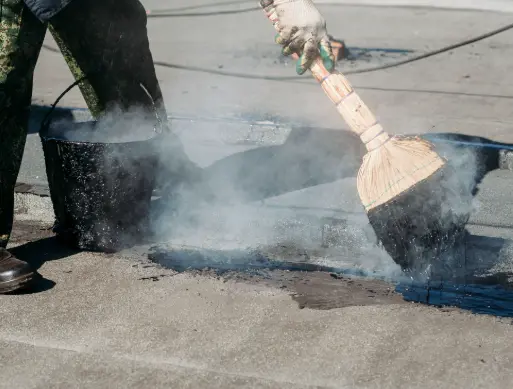
For a buyer like Thomas, WMA represents a sweet spot: it is environmentally friendly (less fuel used) and technically superior regarding low-temperature performance of asphalt.
Summary and Key Takeaways
The battle against low-temperature cracking is won in the lab and the procurement office before it is ever fought on the road. By understanding the physics of thermal stresses and the chemistry of asphalt binders, we can build asphalt pavements that survive the harshest cold regions.
Here are the critical points to remember:
- Understand the Mechanism: Low temperature cracking occurs when thermal stresses from contraction exceed the strength of the asphalt concrete.
- Binder Selection is Key: Always use the correct Performance Grade (PG) for the specific lowest temperature of the region.
- Modifiers Help: Modified asphalt with polymers significantly improves elasticity and cracking performance.
- Watch the RAP: High levels of reclaimed asphalt pavement can make roads brittle; use rejuvenators or softer binders to compensate.
- Test rigorously: Utilize BBR and TSRST tests to evaluate the low-temperature performance of your asphalt mixtures.
- Fight Aging: Oxidation causes brittleness. Use high-quality binders and consider warm-mix asphalt to preserve flexibility.
- Quality Control: Ensure your supplier provides consistent materials to avoid cracking characteristics of asphalt varying from batch to batch.
By prioritizing these factors, we ensure our roads remain smooth, safe, and cost-effective, regardless of how much the temperature drops.
Post time: 01-27-2026