

Hello, I'm Allen, and for over a decade, my factory in China has been at the forefront of producing high-quality coal tar products and petroleum coke. We've supplied materials for countless large-scale projects, from steel mills in Europe to major infrastructure in the USA. I've learned that whether you're building a road or a roof, the quality of the base material, the asphalt or bitumen, is everything. This article is for business owners and procurement managers like you, who need to make informed decisions about durable, cost-effective roofing. We will dive deep into modified bitumen roofing, a system I have seen gain immense popularity for its strength and reliability. You will learn what it is, its pros and cons, and most importantly, how to choose the right materials to ensure your project's success and avoid common pitfalls.
What Exactly Is Modified Bitumen Roofing?
Let's start with the basics. What exactly is this material we keep talking about? Modified bitumen is a type of asphalt product designed for low-slope or "flat" roofs. Think of it as a hybrid or an evolution of traditional built-up roofing (BUR), which involves layering asphalt and felt. The "modified" part of the name is key. Standard asphalt can become brittle in the cold or too soft in the heat. To combat this, manufacturers like us take high-quality asphalt and infuse it with a polymer modifier.
This polymer, which is typically either SBS (styrene-butadiene-styrene) or APP (atactic polypropylene), gives the asphalt rubber-like properties. This makes the final roofing material far more flexible and resilient to temperature changes, foot traffic, and building shifts. The modified asphalt is then reinforced with a layer of polyester or fiberglass, creating a tough, waterproof membrane that comes in rolls. So, when you hear the term bitumen roofing or mod-bit, you're hearing about a tough, durable, and modern solution for protecting a building. A good roof starts with good asphalt.
The entire system is typically composed of one, two, or three layers (a ply system). This often includes an insulation layer, a base sheet (or multiple sheets), and a protective cap sheet. The cap sheet is the visible surface of the roof and is often coated with mineral granules to provide protection from UV rays and improve fire resistance. It's a robust system designed for performance, especially on the vast, flat roofs of commercial buildings, but it's also excellent for a residential garage roof or porch. The combination of asphalt, polymer, and reinforcement creates a roof covering that is far superior to older tar-and-gravel methods.
How Does Modified Bitumen Compare to Other Roof Systems?
When you're deciding on a material for a flat roof, you have several options. Understanding how modified bitumen stacks up against the competition is crucial for making a smart investment. The main competitors are traditional Built-Up Roofing (BUR), and single-ply membranes like TPO (Thermoplastic Olefin) and EPDM (Ethylene Propylene Diene Monomer). Each has its place, but modified bitumen roof systems offer a unique balance of features.
Built-up roofing is the old-school method, involving multiple layers of asphalt or tar and reinforcing fabrics. While very durable and multi-layered, it's heavy, messy, and time-consuming to install. Modified bitumen provides similar multi-ply durability but is manufactured in a controlled factory environment, ensuring consistency and making installation faster and cleaner. TPO and EPDM are single-ply membranes known for their energy efficiency (especially white TPO) and ease of installation. However, being a single-ply material, they are more susceptible to punctures. A single hole in a TPO or EPDM roof can lead to a significant leak. The multi-ply nature of a modified bitumen roof provides greater redundancy and puncture resistance.
Here is a simple comparison table to help you visualize the differences:
| Feature | Modified Bitumen | TPO / EPDM | Built-Up Roofing (BUR) |
|---|---|---|---|
| Durability | Excellent, high tear resistance | Good, but vulnerable to puncture | Excellent, very thick |
| Installation | Moderate (torch, hot mop, or cold adhesive) | Fast and clean (adhered or fastened) | Slow, hot, and messy |
| Flexibility | Excellent, handles temperature shifts well | Very good | Prone to cracking in cold |
| Repairs | Relatively easy to patch and repair | Requires specialized techniques | Can be difficult to locate leaks |
| Cost | Mid-range | Mid-range | Can be expensive |
| Best For | High-traffic roofs, puncture resistance | Energy efficiency, large open roofs | Maximum durability, historical use |
While asphalt shingles are the go-to for sloped residential roofs, they are not suitable for low-slope roofs where water can pool. For these applications, modified bitumen is one of the most reliable types of roofing available. It's a proven technology that offers a fantastic middle ground, combining the toughness of a built-up system with the modern flexibility of a polymer-based material.
What Are the Key Types of Modified Bitumen Roof Systems?
Diving a bit deeper, you'll find that modified bitumen isn't a one-size-fits-all product. The specific polymer used to modify the asphalt creates two primary categories: SBS and APP. Understanding the difference between them will help you choose the right material for your climate and project needs. Think of them as two different recipes for creating a high-performance roof.
SBS (Styrene-Butadiene-Styrene) is a rubber-based modifier. When mixed with asphalt, it creates a membrane with excellent flexibility and elasticity, even in very cold temperatures. This makes SBS modified bitumen a fantastic choice for buildings in colder climates that experience significant temperature swings and building movement. SBS membranes have a "memory," meaning they can stretch and return to their original shape. They are typically installed using cold adhesives or a hot mop of asphalt, though some torch-down versions exist.
APP (Atactic Polypropylene), on the other hand, is a plastic or thermoplastic based modifier. APP gives the asphalt a higher melting point, creating a durable, plastic-like membrane. This makes it ideal for the torch-down application method, where a roofer uses a propane torch to melt the underside of the roll, causing it to fuse to the substrate below. APP modified bitumen offers excellent UV resistance and is a very tough and durable surface. While not as flexible as SBS in extreme cold, its durability makes it a popular choice for many commercial roofing projects. The choice between SBS and APP often comes down to the preferred installation method of your roofing contractor and the specific climate of the project location.
Why is the Base Asphalt Quality So Crucial for a Durable Roof?
This is a point I cannot stress enough, drawing from my experience as a manufacturer. The performance of any modified bitumen roof—its flexibility, its lifespan, its ability to remain waterproof—all comes back to the quality of the raw asphalt used in its creation. A polymer modifier can improve asphalt, but it cannot fix poor-quality base material. This is where a procurement officer's due diligence becomes critical.
A durable and long-lasting roof starts with a mixture of bitumen that has the right chemical properties. At our factory, we produce various grades of asphalt, including high, medium, and low-temperature products. For roofing applications, the asphalt must have a specific softening point and viscosity to properly blend with the polymer. If the base asphalt is inconsistent or contains impurities, the final modified bitumen sheet can have weak spots, leading to premature cracking, blistering, or delamination. This is a common disadvantage when sourcing from unreliable suppliers.
When you purchase a finished roofing material, you are trusting that the manufacturer used a high-quality, unadulterated base. This is why we often work directly with manufacturers of roofing products, providing them with materials like our Medium temperature asphalt block, which serves as a reliable and consistent foundation for their manufacturing process. A superior roof isn't just about the brand name on the roll; it's about the quality of the petroleum-based ingredients inside. Always ask a potential supplier about the source and grade of their bitumen and asphalt.
How is a Modified bitumen Roof Installed?
A modified bitumen roof is a system, and like any system, it's only as good as its installation. Even the best materials will fail if not applied correctly. Having a skilled roofing contractor or roofer is non-negotiable. There are several common installation methods, and the choice depends on the type of modified bitumen (SBS or APP), the project specifications, and local building codes.
The most traditional method is the hot-mop application. This is similar to installing a built-up roof. A roofer mops a layer of hot asphalt (heated in a kettle) onto the roof substrate or base sheet, and then the modified bitumen roll is laid into the molten asphalt. This creates a strong, monolithic bond. Another popular method, especially for SBS, is using cold-process adhesives. This avoids the fumes and safety hazards of a hot kettle, as a powerful mastic or adhesive is applied on top of the lower layer before the next roll is set in place.
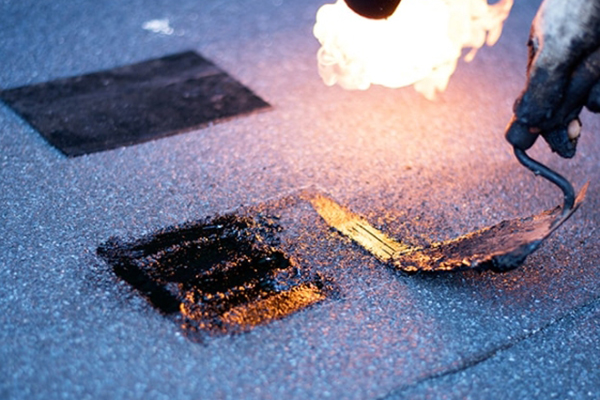
The third primary method is the torch-down application, most commonly used for APP membranes. This involves using a high-intensity propane torch to heat the underside of the modified bitumen roll as it's being unfurled. This melts the asphalt and fuses the sheet directly to the surface below. While very effective, this method requires extreme care and a highly experienced roofer to manage the open flame safely. Regardless of the method, the goal is the same: to create a continuous, seamless, and waterproof membrane across the entire roof surface.
What are the Major Advantages of a Modified Bitumen Roof?
So, why do so many building owners and facility managers choose a modified bitumen roof? The answer lies in a powerful combination of benefits that make it one of the most reliable roof systems for flat and low-slope applications.
- Exceptional Durability and Puncture Resistance: This is perhaps its greatest strength. The combination of a thick asphalt membrane and a strong fiberglass or polyester reinforcement makes it highly resistant to tears, punctures, and foot traffic. This is a huge advantage over single-ply systems, especially for a roof that needs to support HVAC units or regular maintenance.
- Superior Waterproofing: When the seams are properly sealed (whether by heat-welding, hot-mopping, or adhesive), a modified bitumen roof forms a monolithic, waterproof barrier. The multi-ply nature adds a level of redundancy; a small breach in the top layer doesn't immediately compromise the entire roof.
- Flexibility and Weather Resistance: Thanks to the polymer modifiers, these roof systems can expand and contract with the building without cracking. This makes them perform exceptionally well in climates with dramatic temperature changes. They stand up to hail, high winds, and snow better than many other flat roofing material options.
- Easy to Repair: Finding and fixing a leak on a modified bitumen roof is often straightforward. A skilled roofer can easily apply a patch using the same method as the original installation (torch or adhesive), making repairs quick and cost-effective.
- Cost-Effective Lifespan: While the upfront cost is in the mid-range, the long lifespan and low maintenance needs make it a very cost-effective choice over the long term. A properly installed and maintained roof can last 20 years or more, providing excellent value.
"In my business, I can't afford a call-back for a failed roof. That's why I trust the proven track record of modified bitumen. It's tough, reliable, and my crew knows how to install it right every time." - A Veteran Commercial Roofing Contractor
Are There Any Disadvantages to Consider When Choosing This Shingle Alternative?
No roofing material is perfect, and it's important to be aware of the potential downsides. Being informed about a product's limitations is just as important as knowing its strengths. The main disadvantage of modified bitumen often relates to its installation and aesthetic properties.
One potential disadvantage is the installation process itself. Both hot-mop and torch-down applications involve safety risks. Hot asphalt can cause severe burns and produces strong fumes, while torching involves an open flame on the roof. These methods should only be handled by insured and experienced professionals. The cold-adhesive method mitigates these risks but can have longer curing times. Another disadvantage is its limited aesthetic appeal compared to other materials. While the mineral-coated cap sheet comes in various colors, the options are not as diverse as with asphalt shingles or roof tiles. For a visible flat roof on a high-end residential roof, some may find the look to be too industrial.
Finally, older, darker-colored modified bitumen roofs are not as energy-efficient as modern "cool roof" options like white TPO. The black asphalt surface can absorb significant heat, increasing cooling costs for the building below. However, this disadvantage can be easily overcome by applying a reflective coating or by choosing a "cool roof" rated cap sheet with highly reflective granules. It's a solvable problem, but one to be aware of when planning your roof project.
How Long Does a Modified Bitumen Roof Last and What Affects Its Lifespan?
One of the first questions I get from clients like Mark is, "How long will it last as long as they say?" A well-installed modified bitumen roof typically has a lifespan of 15 to 25 years. However, several factors can significantly influence this. The simple answer is: the quality of the materials and the quality of the installation are paramount. You cannot have a durable roof without both.
The number of plies makes a big difference. A two-ply or three-ply system will naturally last longer and offer more protection than a single-ply modified bitumen application. The quality of the base sheet and cap sheet is also critical. A thicker, more robust roofing material will better withstand the elements. Climate also plays a role. A roof in a harsh environment with extreme heat, intense UV exposure, or heavy snowfall will be under more stress than one in a temperate climate.
But the single most important factor is proper installation and maintenance. A roof with poorly sealed seams, inadequate flashing around penetrations, or poor drainage will fail prematurely, regardless of the material quality. This is why choosing a reputable roofing contractor is so important. Regular inspections and minor repairs can prevent small problems from turning into major ones, ensuring your roof reaches its maximum potential lifespan. When a roof is properly installed and maintained, it is one of the most reliable types of roofing on the market.
What Should You Consider When Choosing a Supplier for Your Roofing Materials?
For a procurement officer like Mark, this is where the real work begins. Your choice of supplier, whether for finished modified bitumen rolls or the base asphalt products, can make or break your project's profitability and reputation. After years in this business, I've seen the pain points that arise from choosing the wrong partner: communication breakdowns, shipping delays, and fraudulent certifications.
Here’s what to look for when you consider when choosing a supplier:
- Verified Quality and Certifications: Don't just take their word for it. Ask for third-party inspection reports and internationally recognized certifications like ISO 9001. A reliable factory will have this documentation readily available. It's your best defense against quality issues.
- Technical Expertise and Transparency: Your supplier should be more than just a salesperson. They should understand the technical aspects of their products. Can they explain the difference between their modified asphalt grades? Can they provide data sheets for their asphalt? Clear, knowledgeable communication is a sign of a professional operation.
- Proven Track Record and Logistics: Look for a factory with experience in exporting to your region. A company that regularly ships to the USA, Europe, or Australia, like we do, understands the complexities of international logistics and customs. This minimizes the risk of costly delays. As a High Quality Coal Tar Pitch Factory and Supplier, we pride ourselves on a seamless process from production to delivery.
- Direct-from-Factory Advantage: Whenever possible, deal directly with the factory. This cuts out middlemen, often leading to better pricing and clearer communication. You can discuss your specific needs for products like Modified asphalt and ensure you're getting exactly what you pay for.
Finding a supplier is easy; finding a partner is hard. A true partner invests in your success because it ensures their own. They provide consistent quality, transparent communication, and reliable delivery, helping you build a profitable and reputable business.
Is a Modified Bitumen System the Right Choice for Your Commercial or Residential Roof?
So, after all this, is a modified bitumen system the right for your roof? The answer depends on your specific needs, but here’s a quick guide.
For commercial roofing, especially on low-slope or flat roof applications, modified bitumen is an outstanding choice. Its durability, puncture resistance, and proven performance make it ideal for the roofs of warehouses, factories, shopping centers, and office buildings. It can handle the weight of heavy equipment and the stress of frequent foot traffic, making it one of the most reliable commercial buildings roof systems available.
For residential applications, its use is more specific. It's not typically used for a home's main sloped roof, where asphalt shingles are more aesthetically pleasing and appropriate. However, it is a perfect solution for the low-slope sections of a residential roof, such as over a porch, a dormer, a garage roof, or on a modern home with a completely flat roof design. In these areas, where water doesn't shed quickly, the superior waterproofing of a modified bitumen roof provides peace of mind that a typical shingle cannot. It offers an affordable, durable, and highly functional solution for these tricky spots.
Key Takeaways
To help you remember the most critical points from our discussion, here is a quick summary:
- Modified Bitumen is a Hybrid: It combines the strength of traditional asphalt with the flexibility of modern polymers (SBS or APP), making it ideal for low-slope and flat roofs.
- Durability is its Hallmark: Its multi-ply structure and reinforced membrane provide excellent resistance to punctures, tears, and weather, making it a very durable choice.
- Quality Starts at the Source: The performance of the final roof depends entirely on the quality of the base asphalt. Always vet your material suppliers carefully.
- Installation is Key: A modified bitumen roof is only as good as its installer. Always hire an experienced, insured roofing contractor.
- It's Versatile: While a top choice for commercial roofing, it's also a fantastic problem-solver for low-slope sections on a residential roof.
- Choose Your Supplier Wisely: Look for a partner with verified certifications, technical expertise, and a proven track record in logistics to avoid common purchasing pitfalls.
Post time: 07-09-2025