

Good roads require perfect chemistry. If you manage procurement for major infrastructure projects, you know that missing the mark on heat can ruin an entire asphalt batch. The heavy construction industry relies heavily on complex supply chains to deliver precise chemical modifiers, resins, and waxes that keep materials stable. As a procurement manager, your goal is to balance tight budgets with uncompromising structural integrity. This article explains the core science behind heating and cooling these heavy asphalt materials. You will learn how modern chemical upgrades save fuel, protect workers, and build stronger asphalt roads. Controlling the temperature is the most vital step in the entire process. This knowledge helps you buy smarter, negotiate better with suppliers, and build infrastructure that lasts for generations without costly repairs.
Why is the correct asphalt temperature crucial before you pave?
Before you even think about putting down a new road, heat is your biggest factor. The process of asphalt placement depends entirely on keeping the asphalt material hot enough to flow seamlessly from the truck to the paver. If the asphalt temperature is wrong, everything falls apart instantly. You cannot simply lay it down cold like concrete. The asphalt must be fluid to spread evenly across the dirt or base layer. Maintaining the ideal temperature protects your massive financial investment and ensures the project passes strict municipal inspections without costly rework.
If the asphalt material is too cold, it gets incredibly stiff. Stiff asphalt creates huge logistical problems for the contractor on the job site. The crew needs the right temperature to achieve proper compaction before the material sets into a rigid block. Without the exact right heat, the heavy steam rollers cannot press out the microscopic air bubbles trapped inside the matrix. This leaves dangerous hidden weak spots inside the road structure. Over time, heavy trucks driving over these voids will crush them, leading to premature deterioration and massive structural failure.
For procurement managers, this means the chemicals and raw materials you buy must support consistent heat retention. Sourcing high-grade polymers and specialized binders ensures the batch holds its heat longer during transit. When you buy cheap materials, they cool inconsistently, leading to rejected deliveries and severe penalties from the city inspectors.
What exactly makes an asphalt mix different from traditional hot asphalt?
Let's break down the actual ingredients. A standard asphalt mix is essentially a carefully engineered pile of crushed stone glued together by a petroleum-based sticky substance. This sticky glue is the asphalt binder. You must also mix in fine aggregate carefully to fill the tiny gaps between the larger rocks. When you use traditional hot asphalt (often called hma), you must heat this binder to extremely high temperature levels in a massive industrial drum, often around 300°f.
Heating it to 300°f makes the asphalt workable. It acts like hot, flowing syrup, coating every single rock perfectly. But keeping it that hotter requires massive amounts of fossil fuel to maintain that thermal energy. You burn thousands of gallons of diesel or natural gas just to keep the plant running. This high heat also creates a major safety hazard for the workers breathing the thick, toxic air directly behind the paving machine. This is exactly why the entire global infrastructure industry is rapidly shifting its methodology.
We are constantly looking for innovative ways to get the exact same structural strength without the crazy heat demands. Chemical engineers have spent decades testing different waxes and resins to achieve this goal. By altering the molecular structure of the raw materials, factories can drastically reduce their overhead costs while simultaneously protecting their workforce from dangerous respiratory conditions.
How does weather impact the way we cool and compact blacktop?
Weather changes everything on a live job site. The ambient air directly affects the heavy blacktop the moment it leaves the insulated dump truck. If you are working in severe cold weather, the pavement will cool too fast. This rapid drop in temperature is a nightmare scenario for any paving crew. When it cools too quickly, the asphalt becomes incredibly difficult to compact. It stiffens up like a frozen candy bar, refusing to yield to the heavy machinery.
"If you don't plan for the cold, the cold will ruin your plan. Proper thermal management separates the professionals from the amateurs."
You absolutely need adequate time to roll the surface completely flat. If the blacktop hardens before the rollers finish their passes, the road is permanently ruined. Bad weather drastically reduces your working window from hours down to mere minutes. If you ignore the local climate and unpredictable weather conditions, the road will fail inspection immediately. A road that cools too fast will soon suffer from severe pothole damage as water seeps into the uncompressed voids.
Procurement teams must factor these environmental risks into their purchasing schedules. Buying materials that have a slightly wider workability window can save a project from total disaster when a sudden cold front rolls in. Investing in premium additives acts as a cheap insurance policy against unpredictable weather, ensuring your crews can finish the job correctly even when the thermometer drops unexpectedly.
Why is controlling viscosity important during asphalt paving?
Viscosity is just a scientific word for fluid thickness. Think of honey in the fridge versus honey in the microwave. In the world of asphalt paving, controlling the viscosity of the asphalt binder is absolutely critical to success. If the binder is too thick, it will simply clump up and will not stick to the rocks evenly. You lose vital adhesion, meaning the road will essentially crumble under the weight of traffic.
By carefully managing the temperature, we keep the bitumen thin, slippery, and highly sticky. This optimized thinness drastically improves the workability for the crew on the ground. When the viscosity is perfectly balanced, the heavy steel rollers can easily press the asphalt rocks tightly together. This flawless pressing creates maximum density. High density directly translates to a much longer service life for the final road surface.
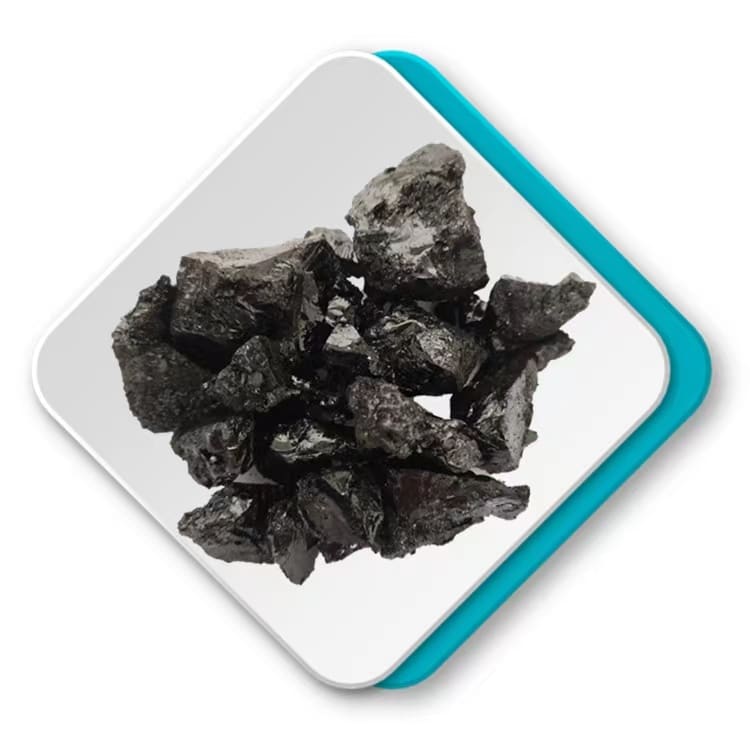
If you need specialized raw materials to scientifically adjust this flow rate, consider adding Petroleum asphalt flakes to fine-tune your batch. These high-purity flakes dissolve cleanly into the mixture, providing exact viscosity control. Reliable supply chain access to these modifiers allows a plant manager to dial in the exact thickness required for whatever weather the crew is facing that day.
How do warm asphalt technologies change temperature requirements?
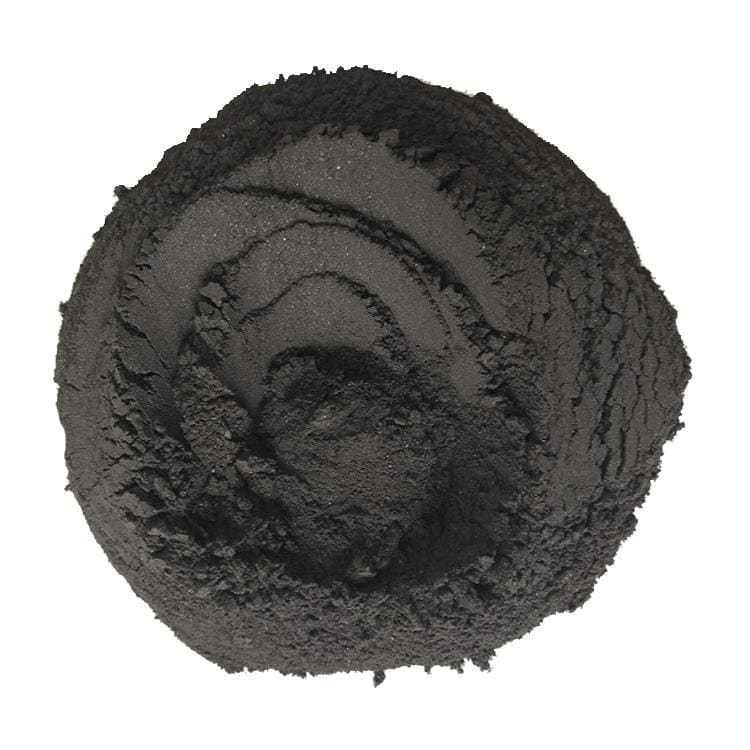
This is precisely where modern chemistry shines the brightest. Advanced thermal technology is completely changing the heavy construction game. By using a clever chemical additive, we can drastically lower the factory's temperature requirements. This advanced process creates a superior mix known globally as advanced WMA technology (commonly called wma).
With wma, the asphalt is produced and placed at much lower temperature levels, sometimes dropping the internal heat by 50°f or more. This lower heat directly reduces massive energy consumption at the factory level. Lower production temperatures literally mean you burn less fuel, saving tens of thousands of dollars per month in natural gas or heating oil. It is a massive financial win for your procurement budget and a huge victory for environmental sustainability.
| Asphalt Type | Typical Production Heat | Fuel Savings | Environmental Impact |
|---|---|---|---|
| Traditional HMA | 300°F - 350°F | None | High Emissions |
| Modern WMA | 200°F - 250°F | 20% - 30% | Greatly Reduced Smoke |
The savings do not stop at the fuel meter. Because the material isn't superheated, the internal plant machinery suffers far less thermal wear and tear. Ovens, drums, and conveyor belts last longer and require less frequent maintenance. Upgrading your supply chain to support these modern processes is one of the smartest long-term investments a chemical buyer can make.
What role does the right additive play in a modern mix?
You cannot just arbitrarily drop the heat dials and hope for the best outcome. You need highly specialized chemical helpers to make the physics work. The core secret is the specific additive chosen. Some factories use a mix containing a tiny, precise amount of water injected at high pressure to create microscopic foam. This temporary foam makes the asphalt temporarily expand and flow easily at much lower heats.
Other advanced suppliers use specialized waxes like sasobit. Sasobit is an engineered wax with a very specific, low melting point. It melts inside the drum and acts like a lubricating oil, making the entire matrix super slippery and easy to push. It is essentially a low molecular weight wax with a highly crystalline structure. Because of this unique physical trait, it lowers the mixing temperature significantly while keeping the final asphalt road incredibly strong once it cools down.
Procuring these high-end waxes requires a solid relationship with a trusted chemical distributor. We specialize in providing exact molecular matches for your specific plant needs. Our resources ensure you get consistent, lab-tested modifiers that perform flawlessly under pressure.
How do contractors handle compaction when temperatures drop?
When the sun goes down and the wind picks up, the sheer panic sets in for the paving crew. Compaction is a literal race against the clock. To win this desperate race, crews use precise infrared thermometers to constantly check the temperature of the rolling surface. They must firmly compact the road while it is still sitting comfortably in the thermal sweet spot. If they wait too long and the material hardens, it is game over.
Using wma gives them a massive, measurable advantage on the street. Because the starting temperature is lower, the gap between the mixing heat and the final stopping heat is much smaller. Paradoxically, it takes longer for the asphalt material to reach its absolute freezing point because it isn't losing heat to the air as rapidly as a superheated batch would. This vital extra time allows them to compact the asphalt perfectly, even when the wind suddenly picks up.
Using a reliable National standard medium temperature asphalt ensures the asphalt binder behaves predictably during these incredibly tight operational windows. Predictability is the holy grail of heavy construction. When your crew knows exactly how the material will behave minute by minute, they make fewer mistakes and build far better infrastructure.
Why does poor temperature control lead to a cracked pavement?
Mistakes in heating lead directly and predictably to a broken road. If the pavement has high air voids because it was rolled too cold, destructive water gets inside those invisible holes. When brutal winter arrives, those water drops freeze into ice and forcefully expand. This brutal, unstoppable cycle of freeze-thaw cycles literally tears the road apart from the inside out.
Soon, you will clearly see a massive crack forming on the surface. One small crack quickly branches out, turning into devastating fatigue cracking across the entire traffic lane. The top surface will rapidly begin to ravel, violently spitting loose rocks at passing cars and shattering windshields. Poor heat control practically guarantees catastrophic early failure.
The first application of the asphalt must be flawlessly perfect, or the city will spend millions of taxpayer dollars to patch it later. Every single dollar saved by rushing the heating process is lost tenfold in warranty repairs and legal disputes. Protect your reputation by enforcing strict thermal guidelines from the factory all the way to the final roller pass.
Can organic additives improve the blend and reduce emissions?
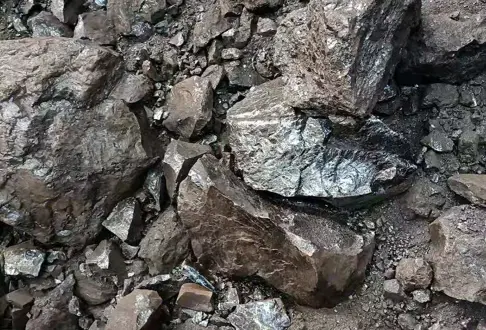
Yes, and the federal government absolutely loves it when you improve the mix for environmental reasons. The strict environmental protection agency and the local department of transportation constantly push contractors for greener, cleaner building methods. By intentionally adding organic additives to the blend, smart factories dramatically cut down on harmful, visible emission clouds towering over their smokestacks. Research indicates that utilizing these green methods can reduce carbon outputs by up to 30%, making it a highly attractive option for eco-conscious municipalities.
Lower factory temperatures inherently mean less aggressive burning of fossil fuels. Less burning directly translates to far less dangerous fume exposure for the hardworking paving crew standing right behind the machine. Working with wma is demonstrably much safer to breathe all day. Furthermore, this lower temperature stops the fragile glue from aging too quickly inside the superheated oven.
This strategic reduction in heat radically reduces oxidative damage, ensuring the fresh asphalt stays highly stretchy, flexible, and durable for many years to come. We often see specialized chemical suppliers providing uniqueSpecial asphalt for oilfield additives to achieve similar low-emission goals in totally different heavy industries that use asphalt. Good chemistry transcends specific industries, offering universal benefits across the board.
What are the key takeaways for managing hot mix asphalt and WMA?
Whether you use traditional hot mix asphalt or modern wma, strictly controlling the temperature is your primary, non-negotiable job. If the daily temperature range swings too wildly, the material used will undoubtedly fail field testing. Asphalt may seem incredibly simple to a casual observer, but it is actually a highly complex chemical dance of polymers, oils, and rocks. You must watch the absolute low temperature limit carefully to prevent structural disaster.
Proper temperature management ensures incredibly strong pavement performance even under the most punishing, non-stop heavy vehicle traffic. If you want extreme, legendary durability, you must relentlessly keep asphalt in its proper thermal zone from the silo to the street. Sometimes, adding a specialized rubberized asphalt modifier can dramatically help the asphalt resist sinking or forming a deep, dangerous rut at busy intersections. Using high-grade Medium temperature asphalt block components can also powerfully stabilize your raw material supply chain.
An asphalt pavement relies heavily on this underlying molecular stability. A well-designed asphalt mixture is the literal foundation of modern global logistics. When you pave a massive interstate highway, every microscopic chemical detail matters immensely. To effectively pave long stretches flawlessly, you need a highly reliable mix that stubbornly holds its heat. A superior mix guarantees a successful, profitable, and safe project for everyone involved. Always verify your chemical sources to ensure you get high-quality performance every single time you fire up the plant.
Summary and Key Takeaways
- Chemistry Matters: Achieving the perfect road is not just about rocks; it requires the right chemical additive to maintain proper viscosity.
- Weather dictates timing: Never ignore the ambient air. If it gets too cold, your material will become difficult to compact.
- Innovation saves money: Transitioning to WMA lowers your energy consumption and extends the service life of your infrastructure.
- Safety first: Lower heat reduces the dangerous hazard of toxic smoke, keeping your workforce healthy and compliant with regulations.
- Testing is mandatory: Always use infrared thermometers to monitor the surface. Guessing the heat leads directly to fatigue cracking.
- Partner with experts: Sourcing high-grade raw materials ensures your batch won't suffer from premature deterioration.
Post time: 03-19-2026