

If you buy raw materials for large construction or chemical manufacturing projects, you know that winter changes everything. Freezing weather destroys weak materials. Low-temperature cracking is a massive headache for any project manager trying to build durable asphalt pavements. When the weather gets freezing cold, the binder inside the asphalt mixture shrinks and becomes brittle. This causes the base layer and the surface to snap, leading to expensive repairs and unhappy clients.
This article explores how a low temperature asphalt strategy, utilizing reduced-temperature asphalt and fiber-reinforced asphalt, completely changes the game. By understanding the science behind temperature asphalt and low temperature performance, buyers can source the right materials, avoid bad batches, and protect their pavement in cold conditions. We will dive deep into how these chemical choices save money, speed up projects, and keep factories running smoothly.
Why is low temperature a major challenge for road construction?
Building a road in a cold region is incredibly difficult. When the ambient temperature drops rapidly, the materials naturally want to shrink. However, the road is glued to the dirt below it, so it cannot shrink easily. This pulling force creates massive stress inside the surface layer and the base layer. When this stress becomes too high, the road simply snaps. This event is called thermal cracking.
The primary culprit here is the asphalt concrete becoming too stiff. As the weather cools down, the properties of asphalt mixtures change completely. They lose their flexibility. Every time the sun comes out and temperature increases, the road expands slightly. Then it freezes and shrinks again at night. This constant stretching and pulling destroys the crack resistance of the road.
"If you don't plan for the cold, the cold will ruin your plan." Procurement managers must source top-tier asphalt materials that can handle these extreme swings. Standard mixes just do not survive. You need a specific type of asphalt that maintains its stretchiness even when it hits the lowest temperature of the year. Ensuring high performance of asphalt pavements starts with buying the correct chemical ingredients long before the paving crew arrives.
What exactly is reduced-temperature asphalt and how does it work?
Reduced-temperature asphalt is exactly what it sounds like. It is a special temperature asphalt that you can mix and lay down without heating it to extreme, dangerous levels. Normally, you have to cook the black rock glue at very high heat just to make it liquid. But by using clever additive technology, we create a low temperature asphalt that flows smoothly at much cooler levels.
This happens because the additive changes the bitumen viscosity. Think of syrup in your fridge; it is thick and hard to pour. If you warm it up, it flows. These special chemical additives make the binder flow like warm syrup even when it is actually cooler. This temperature reduction is a massive win for everyone involved.
We often call this technology warm mix. Because of the reduction in temperature, the factory saves a huge amount of fuel. It also stops the binder from cooking too much and getting crispy before it even reaches the road. By sourcing a reliable low-temperature asphalt, you guarantee that the mix stays flexible, which directly stops low-temperature cracking down the line.
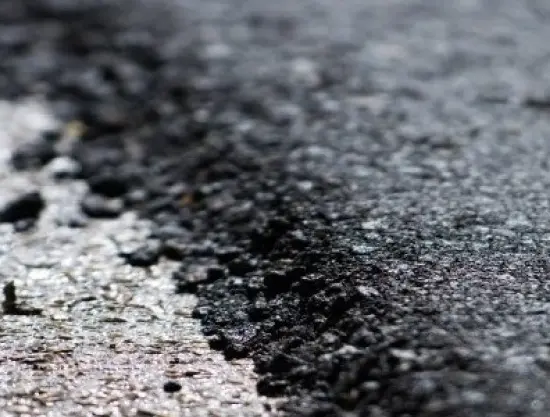
How do warm mix technologies lower emission levels during paving processes?
One of the best benefits of a warm mix is how clean it makes the job site. When you use traditional hot asphalt, the high cooking heat creates thick, black smoke and terrible fumes. But because reduced-temperature asphalt requires less heat, the emission levels drop dramatically.
During normal asphalt production, burning fuel to heat the rock creates greenhouse gases. By lowering the temperature of the asphalt mix, factories burn far less gas or coal. This makes the entire production of asphalt much more environmentally friendly. It greatly boosts the sustainability of the whole project.
For the crews handling the paving processes, this is a breath of fresh air—literally. Lower fumes mean a safer, healthier workplace. Furthermore, when you pave at a lower temperature, the roller machines can get to work faster. This efficiency appeals greatly to procurement teams who want to keep projects moving quickly and safely while meeting strict government emission rules.
How does a modified bitumen improve the base layer and surface layer?
Not all black glue is the same. To get the best results, factories often use a modified asphalt mixtures approach. They take a standard matrix asphalt and blend it with stretchy plastics or rubbers. This heavily upgrades the bitumen. When you use a rubber modified asphalt or a rubber-modified asphalt, you add incredible bounce and stretch to the road.
This bouncing effect is crucial for both the base layer and the top layer. It directly improves the bitumen module, which is a fancy way of saying how stiff or floppy the material is. A good modifier ensures the road is stiff enough to hold heavy trucks in the summer, but stretchy enough to resist snapping in the winter. This gives you fantastic rutting and cracking resistance.
If you want to ensure your raw materials are perfectly balanced for this kind of work, you should explore high-quality Modified asphalt supplies. Upgrading your base materials gives you the ultimate strength of an asphalt pavement, ensuring it lasts for decades without needing constant patching.
What role does compaction play when you pave a road?
You can buy the most expensive asphalt mix in the world, but if you do not squish it down correctly, it will fail. Compaction is the process of using heavy steamrollers to press the hot rocks tightly together. When you compact the road properly, you squeeze out the empty air pockets.
If you leave too much air inside the road, water will sneak in. When winter comes, that trapped water freezes into ice. The ice expands and blows the road apart from the inside. This destroys your low-temperature cracking resistance completely. To achieve perfect compaction, the crew must roll the asphalt concrete pavements while they are still at the correct heat level.
This is where reduced-temperature asphalt shines. It stays softer for a longer time, giving the roller crews a larger window to do their job perfectly. Maintaining a constant temperature during rolling ensures the rocks lock together tightly. A tightly packed road always delivers superior low temperature performance.
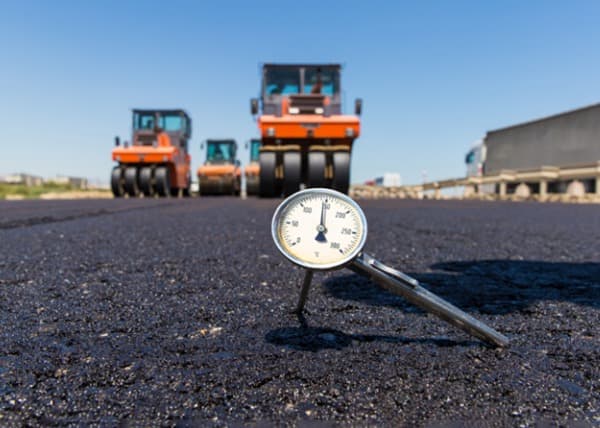
How do test methods evaluate the fracture resistance of an asphalt mixture?
You cannot just guess if a road will survive the winter. You must test it in a laboratory first. Scientists use highly specific test methods to check the fracture resistance and overall crack resistance of the material. A proper evaluation of asphalt saves millions of dollars in future repairs.
One common test involves taking a small asphalt sample and freezing it. Then, a machine pulls on it until it breaks. This measures the low temperature fracture point. It tells us exactly how much pulling force the glued rocks can handle before they snap. We also study the mechanical properties of asphalt to understand the total energy of asphalt needed to tear it apart.
By looking at the cracking resistance of asphalt mixtures, procurement managers can reject bad batches before they leave the factory. They demand proof that the properties of the asphalt meet strict safety standards. This data-driven approach removes the guesswork and ensures that every asphalt mixture you buy will actually perform well in the real world.
Why is fiber-reinforced asphalt gaining popularity for a cold region?
Imagine trying to tear a piece of paper. It rips easily. Now imagine tearing a piece of paper that has tiny strings glued all over it. It is much harder to rip. This is exactly how fiber-reinforced asphalt works. Factories mix thousands of tiny, tough fibers into the black glue and rocks.
When you use an asphalt containing these strong fibers, you massively boost the strength of an asphalt road. The fibers act like microscopic seatbelts. When the winter cold tries to pull the road apart, the fibers hold it tightly together. This provides incredible low temperature resistance and greatly improves the overall low temperature behavior of the street.
For buyers operating in a severe cold region, this is a magic bullet. While fibers cost a little bit more upfront, they dramatically extend the life of the road. A fiber-reinforced asphalt surface will not suffer from wide, ugly cracks. It keeps the asphalt pavements smooth and safe, making it a highly cost-effective upgrade.
Does using reclaimed asphalt pavement affect low temperature performance?
Recycling old roads is great for the environment and the budget. We call this reclaimed asphalt pavement or recycled asphalt. However, the old black glue inside this crushed rubble is usually very hard and brittle because it has been baking in the sun for years. If you just mix this old, dry rock into a new batch, your low temperature performance will drop instantly.
To fix this, smart factories use special oily chemicals called rejuvenators. When creating asphalt mixtures containing a lot of recycled rubble, these oily liquids soak into the old glue and make it soft and stretchy again. You can also use asphalt mixtures using a very soft, fresh matrix asphalt to balance out the stiff, old rock.
If you manage the chemistry correctly, the final performance of the mixture will be outstanding. It is a delicate balancing act. You must carefully monitor the asphalt materials to ensure the recycled parts do not ruin the crack resistance of your brand new highway.
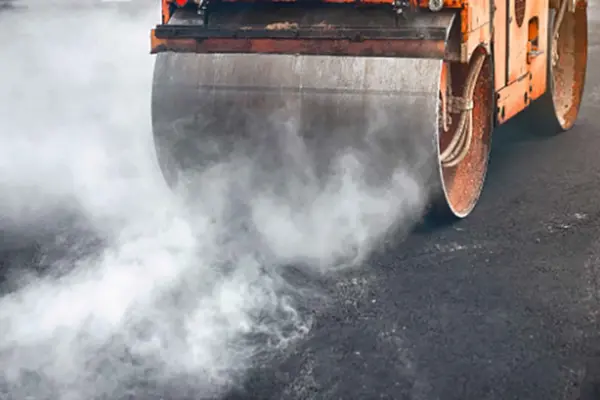
How does the glass transition temperature impact the binder?
Everything in the world has a freezing point where it turns from a soft liquid into a hard solid. For an asphalt binder, this critical point is called the glass transition temperature. When the weather drops below this specific number, the black glue literally starts acting like a pane of glass. It becomes rigid, brittle, and incredibly fragile.
If a heavy truck drives over the road when the glue is in this glass-like state, the road will shatter. This is the root cause of low temperature cracking of asphalt. To prevent this, chemical engineers focus heavily on the modification of asphalt. By adding special polymers, they push that glass transition number much lower.
For example, if the normal glue turns to glass at zero degrees, a heavily modified glue might stay stretchy all the way down to negative twenty degrees. This keeps the road safe from low temperature fracture. For specialized block products that handle distinct temperature zones, looking into Medium temperature asphalt block options can help you match the exact thermal needs of your job site.
What are the best strategies to pave asphalt concrete in a cold region?
When handling the mixture at low temperatures, you need a flawless strategy. The absolute best way to protect your investment in a cold region is to combine multiple smart technologies at once. Pavement engineering research constantly gives us new tools to win the battle against winter weather.
- Use Warm Mix: A warm mix asphalt incorporating chemical additives gives your rolling crews more time to achieve perfect density.
- Foam It Up: Another great trick involves mixing hot bitumen with water. This makes the liquid foam up and expand, allowing it to coat the cold aggregate rocks much easier.
- Upgrade the Glue: Always utilize high-quality polymers to enhance the binder.
- Try Special Mixes: Sometimes, using an open graded friction course or a tough asphalt mortar provides better drainage so ice cannot form on top of the road.
- Utilize Emulsions: For quick winter patching, using an emulsified asphalt allows you to fix holes without needing massive heating equipment.
If you are mixing highly specialized chemical recipes, adding fine materials like Asphalt powder can ensure your pavement materials blend perfectly, delivering a smooth, durable finish.
Summary and Key Takeaways
Winning the battle against freezing weather requires smart purchasing and a deep understanding of chemical engineering. You cannot just buy the cheapest black rocks and hope for the best.
Here are the most important things to remember for your next big project:
- Understand the Threat: Low-temperature cracking happens because the binder shrinks and turns brittle in the cold.
- Lower the Heat: Reduced-temperature asphalt allows you to pave at a lower temperature, which saves money, cuts down emission levels, and stops the glue from aging too fast.
- Modify for Success: Always use asphalt mixtures based on a strong, polymer-upgraded matrix asphalt to improve fracture resistance.
- Compact Properly: Perfect compaction removes air and stops ice from destroying the road from the inside.
- Add Strength: Fiber-reinforced asphalt acts like microscopic seatbelts, holding the road together when it wants to snap.
- Test Everything: Rely on strict lab test methods to guarantee the low temperature properties of your asphalt materials before you buy them.
- Watch the Glass Point: Ensure your material's glass transition temperature is safely below the lowest temperature of your specific cold region.
Post time: 03-12-2026