

As a manufacturer of asphalt products, my name is Allen, and my factory in China has been a trusted source for companies across North America and Europe for years. I often speak with business owners like Mark Thompson from the USA, who are experts in sales and procurement but rely on us for the technical details. They need to know that the product they're buying is not only high-quality but can also be handled safely. Liquid asphalt is the backbone of so many industries, from road construction to roofing, but it's essential to understand and respect its properties. This article is your guide to understanding the chemical hazard profile of liquid asphalt. We'll break down the risks in simple terms and explain the best practices to prevent accidents and ensure worker safety. This isn't just about compliance; it's about responsibility and protecting your most valuable asset: your people.
What Exactly Is Liquid Asphalt and Why Is It a Chemical Hazard?
First, let's clarify what we're talking about. Liquid asphalt, often called bitumen or asphalt cement, is a black, sticky, and highly viscous material derived from the fractional distillation of crude oil. It's the binder that holds aggregates together in the pavement you drive on. While it's solid or semi-solid at room temperature, it's almost always used in a hot, liquid state to make it workable. This is where the primary hazard comes into play. The material itself is a complex mixture of thousands of different organic compounds, primarily aromatic hydrocarbons.
The reason we classify liquid asphalt as a chemical hazard is twofold. First, there's the thermal hazard from its high temperature, which we'll discuss in detail. Second, there are the chemical risks associated with the substance itself. When heated, liquid asphalt releases a vapor that can contain a variety of potentially toxic compounds. Exposure to these fumes, as well as direct contact with the liquid material, can pose health risks if not managed correctly. Understanding both the heat and the chemical properties is the first step toward creating a safe work environment for every worker.
What is the Primary Hazard a Worker Faces When Handling Liquid Asphalt?
Without a doubt, the most immediate and common danger a worker faces when handling hot liquid asphalt is the risk of a severe burn. The material is typically heated to temperatures between 250°F and 350°F (120°C to 175°C) to make it fluid enough for application. At these temperatures, even a small splash can cause a deep and painful burn that requires immediate medical attention. Unlike a hot water burn, hot asphalt is thick and sticky. It adheres to the skin, continuing to transfer heat and making it incredibly difficult to remove.
This makes the use of proper personal protective equipment (PPE) non-negotiable. Every worker in the area where liquid asphalt is being handled must wear heat-resistant gloves, full-face shields or safety glasses with side shields, and long-sleeved protective clothing. It's the employer's duty to provide this equipment and train workers on its correct use. Simply being in the vicinity of the process puts a worker at risk, and we must treat this thermal hazard with the utmost seriousness to prevent life-altering injuries.
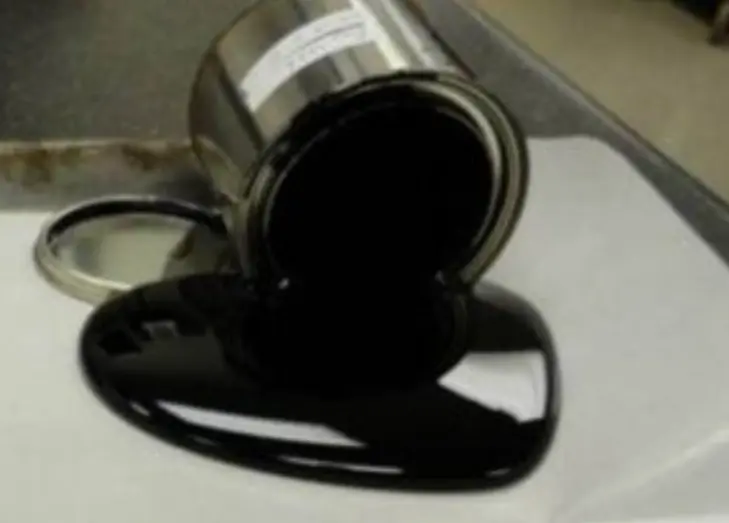
What are the Risks of Chemical Exposure from Asphalt Vapor?
Beyond the immediate burn risk, the vapor released from hot liquid asphalt presents a significant chemical hazard. When asphalt is heated, volatile organic compounds (VOCs) and polycyclic aromatic hydrocarbons (PAHs) are released into the air. Inhalation of vapors is the most common route of exposure for a worker. Short-term exposure can lead to irritation of the eyes, nose, and respiratory tract. A worker might experience headaches, dizziness, nausea, or a cough as a symptom of overexposure.
Long-term or repeated exposure to high concentrations of asphalt vapor is a more serious concern. Some of the chemicals within the vapor are classified as potentially carcinogenic. Therefore, it is critical to limit worker exposure as much as possible. This is achieved through engineering controls, such as ensuring proper ventilation in the work area, and administrative controls, like rotating workers out of high-exposure areas. In some settings, respiratory protection may be necessary. We must always consider the invisible hazard of asphalt vapor to protect the long-term health of every worker.
How Can a Worker Prevent Skin Contact and Irritation?
Preventing direct contact between liquid asphalt and the skin is essential for avoiding both thermal burns and chemical irritation. The same chemicals present in the vapor are, of course, in the liquid itself. Prolonged or repeated skin contact, even with cooler asphalt products, can lead to dermatitis, an itchy and painful skin rash. Some individuals may also develop a sensitivity to the material over time.
The best defense is a complete barrier. Workers should always wear long-sleeved shirts, long pants, and heat-resistant, waterproof gloves. It's important that the protective clothing is kept clean and in good condition. Any clothing that becomes soaked with liquid asphalt or solvents used for cleanup should be removed immediately to prevent the chemical from being held against the skin. After work, it's crucial for every worker to wash their hands and any other exposed skin thoroughly with soap and water. Never use gasoline, kerosene, or other harsh solvents to clean asphalt from the skin, as they can cause further irritation and are easily absorbed into the body.
What is an Employer's Responsibility to Limit Worker Exposure?
Under regulations like those from the Occupational Safety and Health Administration (OSHA) in the US, the employer has a legal and moral responsibility to create a safe working environment. This involves a multi-layered approach to limit worker exposure to liquid asphalt hazards. The first line of defense is engineering controls. This means designing the work process to reduce the hazard at its source. For example, using enclosed container systems or applying asphalt at the lowest possible temperature can significantly reduce the amount of vapor released. Good ventilation is also a key engineering control.
The second layer is administrative controls. This includes developing safe work procedures, providing comprehensive training to every worker on the hazards and safety protocols, and ensuring the work area is well-maintained and free of trip hazards that could lead to spills. The final layer of protection is providing the proper PPE. An employer must not only provide the right gear but also ensure each worker is trained on how to use, maintain, and inspect their equipment. A strong safety and health program is a sign of a responsible employer and a key part of managing the risk associated with handling this material.
What is the Proper Emergency Response for an Asphalt Spill?
An effective emergency response plan is crucial for minimizing the harm from a spill of hot liquid asphalt. The first priority is always human safety. Anyone not involved in the cleanup should be evacuated from the area to a safe distance. If a worker has been splashed, immediate first aid is critical. Do not try to remove hardened asphalt from the skin. The proper response is to immediately cool the area with large amounts of cool (not ice-cold) water for at least 20 minutes to stop the burning process. The solidified asphalt will then act as a sterile dressing. Seek professional medical help immediately; medical professionals know how to safely remove the material.
For the spill itself, the goal is to contain it and prevent it from spreading, especially into drains or waterways, as it can cause significant environmental damage. Use sand, earth, or other non-combustible absorbent material to dike the spill. Workers involved in the cleanup must wear full PPE. Once the liquid asphalt has cooled and solidified, it can be shoveled into a suitable container for disposal. A clear and practiced response plan ensures that in a high-stress situation, everyone knows their role and can act quickly and safely.
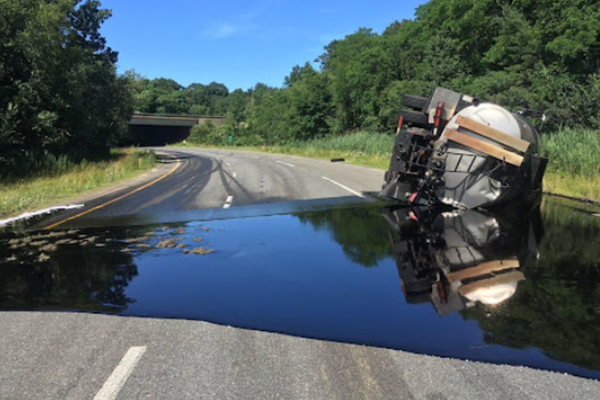
How Does Transportation Introduce a Unique Hazard?
The transportation of hot liquid asphalt from the refinery or our factory to the job site introduces a unique set of risks. The material is transported in insulated tankers designed to maintain its high temperature. This means the thermal hazard is present throughout the entire journey. A traffic accident involving an asphalt tanker can be a major incident, requiring a specialized hazardous material response. The sheer volume of hot liquid in a tanker presents a large-scale spill risk.
Carriers of liquid asphalt must follow strict regulations regarding vehicle maintenance, placarding (displaying the correct hazard warnings), and driver training. The equipment—the tanker, hoses, and valves—must be regularly inspected to prevent leaks. Drivers need to be trained on emergency procedures, including what to do in case of a leak or a rollover. When planning logistics with clients like Mark, we always partner with experienced carriers who have a proven track record in the safe transportation of this material. Managing the hazard doesn't stop at the factory gate; it extends all the way to the final setting.
Why is the Product Identifier on a Container So Important?
Every container of a chemical product, from a small bucket to a large tanker truck, must be clearly labeled. This label contains the product identifier, which is the specific name or number used to identify the chemical. This identifier is the key that unlocks a wealth of safety information. It directly links the container to its Safety Data Sheet (SDS). The SDS is a detailed document that every chemical manufacturer is required to provide.
The SDS is the ultimate guide to safety for any worker handling the material. It includes information on:
- The chemical composition and its hazards.
- First-aid measures for every type of exposure (inhalation of vapors, skin contact, ingestion).
- Fire-fighting measures.
- Accidental release measures (spill response).
- Handling and storage instructions.
- Exposure controls and required personal protection.
An employer must ensure that all workers have access to the SDS for the liquid asphalt they are using and are trained to understand the information it contains. The simple product identifier is the starting point for all safe handling practices.
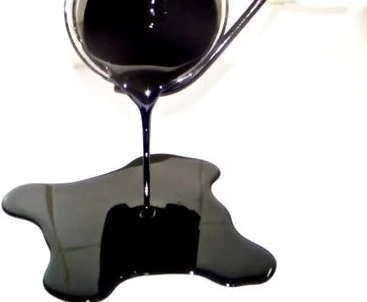
Are There Different Hazards for Different Types of Liquid Asphalt?
Yes, the specific hazard profile can vary depending on the type of liquid asphalt being used. The base material is heavy crude oil, but it can be modified to create different products with different properties. For example, "cutback" asphalts are made by adding a petroleum solvent (like kerosene or gasoline) to the asphalt cement to make it liquid at lower temperatures. While this reduces the thermal burn hazard, it significantly increases the fire risk and the exposure to toxic solvent vapor. The solvents are much more volatile than the asphalt itself.
"Emulsified" asphalts are another type, where the asphalt is suspended in water using an emulsifying agent. These are much safer from a fire and vapor perspective, as they can be used at much lower temperatures or even cold. However, they can still cause skin irritation. Products like our High temperature asphalt are designed for specific applications and have their own unique handling requirements. It's critical to always refer to the specific SDS for the product you are using, as you cannot assume the hazard is the same across all types of asphalt.
How Can You Ensure the Safe Disposal of Asphalt Material?
Proper disposal is the final step in responsibly managing the liquid asphalt lifecycle. Asphalt is considered an industrial waste material and must be disposed of according to local, state, and federal environmental regulations. It should never be dumped on the ground, in sewers, or in waterways. Small quantities of leftover, solidified asphalt can often be disposed of in a licensed industrial landfill.
A better option, both environmentally and economically, is recycling. Old asphalt pavement can be milled up and incorporated into new hot mix asphalt, reducing the need for virgin material and saving landfill space. Empty containers that held liquid asphalt must also be handled correctly. They may contain a hazardous residue and should be triple-rinsed (if possible) with a suitable solvent, with the rinseate collected for proper disposal. As a manufacturer, we are part of the larger infrastructure and are committed to practices that not only protect the worker but also the environment. Choosing a supplier like our High Quality Coal Tar Pitch Factory and Supplier that understands and advocates for responsible handling from start to finish is a key part of a safe and sustainable operation.
Key Takeaways to Remember
- Dual Hazard: Liquid asphalt presents both a severe thermal burn hazard from its high heat and a chemical hazard from its vapor and direct contact.
- PPE is Non-Negotiable: Every worker must use appropriate heat-resistant clothing, gloves, and face/eye protection to prevent injury.
- Ventilation is Key: Always work in a well-ventilated area to reduce the concentration of harmful asphalt vapor and limit exposure.
- Know Your Product: Always read the Safety Data Sheet (SDS) for the specific type of liquid asphalt you are using to understand its unique risks and handling requirements.
- Safety is a Team Effort: A safe work environment is the shared responsibility of the employer, who must provide training and equipment, and the worker, who must follow procedures diligently.
Post time: 12-03-2025