

Coal tar and asphalt are materials frequently used in construction and industrial applications, particularly road paving and waterproofing. While they might seem similar due to their dark, viscous appearance, they are distinct in their composition, origins, and uses. Understanding the differences between coal tar and asphalt is essential for selecting the right material for various projects and maintaining environmental and safety standards.
What Is Coal Tar?
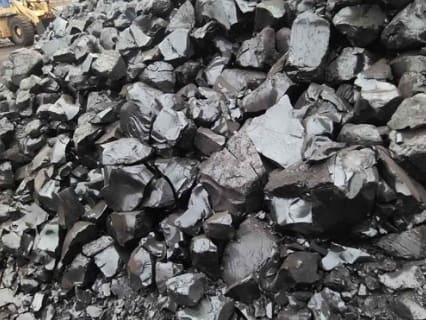
Coal tar is a byproduct of the coking process used to produce coke and coal gas from coal. When coal is heated in an oxygen-free environment, it breaks down into solid coke and volatile byproducts, one of which is coal tar. Coal tar is a thick, dark liquid that contains a complex mixture of hydrocarbons, including polycyclic aromatic hydrocarbons (PAHs), phenols, and aromatic compounds.
Historically, coal tar was widely used in road construction, waterproofing, and as a base material in coatings, sealants, and roofing. However, due to its chemical composition, coal tar contains carcinogenic substances and has been subject to increasing regulation, especially in areas with strict environmental and health guidelines.
What Is Asphalt?
Asphalt, also known as bitumen, is a naturally occurring or refined substance derived from petroleum. It is the residue left after crude oil is processed and refined to extract useful fuels like gasoline and diesel. Asphalt is primarily composed of long-chain hydrocarbons and other organic materials. It is viscous in its natural state but can be modified with heat, solvents, or additives to suit different applications.
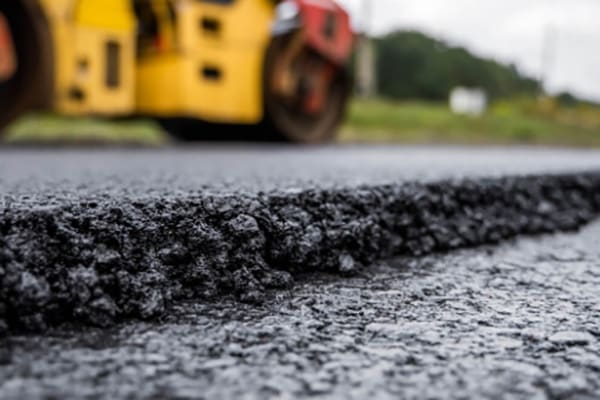
Asphalt is most commonly used as a binder in road construction, where it is mixed with aggregates (crushed stones, gravel, or sand) to form asphalt concrete, also known as blacktop or tarmac. It is also used in roofing materials, waterproofing, and sealing applications.
Key Differences Between Coal Tar and Asphalt
- Source and Composition The primary difference between coal tar and asphalt lies in their origins and chemical makeup. Coal tar is a byproduct of coal processing, while asphalt is derived from petroleum. This distinction results in different chemical properties, which influence their behavior, performance, and safety concerns.Coal tar is rich in aromatic hydrocarbons, which contribute to its chemical complexity and potential health risks. These hydrocarbons can leach into the environment and pose a risk to both human health and ecosystems. Asphalt, on the other hand, contains aliphatic hydrocarbons, which are generally less chemically reactive and pose fewer environmental risks in comparison to coal tar.
- Uses and Applications While both materials have been used in road construction and paving, their specific applications differ.
- Coal Tar: Historically, coal tar was a popular choice for pavement sealants due to its durability and resistance to chemicals like gasoline, oil, and solvents. It was also used in roofing products, industrial coatings, and as a preservative for wood. In road construction, coal tar sealants were applied to prolong the life of asphalt pavements by providing a protective layer against wear and tear.
- Asphalt: Today, asphalt has largely replaced coal tar in road construction due to its availability, ease of use, and lower health risks. Asphalt is primarily used as a paving material for roads, highways, and parking lots. When mixed with aggregates, it forms a strong and durable surface capable of withstanding heavy traffic and weather conditions. Additionally, asphalt is used in roofing shingles, waterproof membranes, and crack sealants.
- Health and Environmental Concerns One of the most significant differences between coal tar and asphalt relates to their impact on health and the environment. Coal tar contains PAHs, many of which are known carcinogens. Over time, these chemicals can leach from coal tar-based products into soil and water, posing risks to humans, animals, and aquatic life. Workers who apply coal tar sealants, or individuals who live near coal tar-treated surfaces, may be exposed to harmful fumes and particles.In response to these concerns, many regions have banned or restricted the use of coal tar sealants, particularly in the United States and Europe. Asphalt, by contrast, contains lower levels of harmful PAHs, making it a safer alternative for most applications. However, asphalt still releases volatile organic compounds (VOCs) during heating and application, which can contribute to air pollution, though the risks are generally lower compared to coal tar.
- Performance and DurabilityCoal tar is often praised for its superior resistance to chemicals and UV degradation, which is why it was favored for sealing parking lots and roads that were exposed to oil spills or constant sun exposure. However, its environmental impact has made it less popular over time.Asphalt, while slightly less resistant to chemicals than coal tar, provides excellent performance in terms of flexibility and durability. Modern asphalt formulations have been improved with polymers and other additives to increase their longevity, crack resistance, and environmental safety.
Which Is Better: Coal Tar or Asphalt?
Choosing between coal tar and asphalt depends on the specific application, local regulations, and safety considerations. For most road construction and sealing projects today, asphalt is the preferred material due to its lower environmental impact, availability, and ease of application.
Coal tar is still used in some niche industrial applications, but its declining use in paving and sealing reflects a growing awareness of its potential health risks. In areas where environmental safety is a priority, coal tar is being phased out in favor of asphalt-based alternatives, which offer similar performance without harmful side effects.
Conclusion
While coal tar and asphalt may look similar at first glance, they are fundamentally different materials with distinct origins, compositions, and uses. Coal tar, derived from coal, is chemically complex and poses significant environmental and health risks due to its carcinogenic components. Asphalt, derived from petroleum, is now the dominant material in road construction and waterproofing due to its safer profile and versatility.
For most modern applications, asphalt is the more practical and environmentally responsible choice, especially in regions with strict environmental regulations.
Post time: 10-11-2024