

Thinking about getting a new asphalt driveway? You're not alone. The smooth, black finish of a freshly paved surface adds instant curb appeal and value to any home. But the big question on every homeowner's mind is: what's the real cost? This guide is here to break it all down for you. We'll explore everything from the average cost per square foot to the hidden factors that can impact your final bill. As someone who has spent years in the asphalt industry, supplying the core materials that go into these projects, I want to give you an inside look. We'll help you understand not just the "what" but the "why" behind the costs, empowering you to make a smart, informed decision for your 2025 paving project.
What Is the Average Asphalt Driveway Cost Per Square Foot in 2025?
Let's get straight to the point. The cost of a new asphalt driveway typically ranges from $3 to $7 per square foot. For a standard two-car driveway of about 600 square feet, you can expect the total cost to be anywhere from $1,800 to $4,200. However, this is just a baseline. If your project requires extensive site preparation, a new base layer, or you live in a high-cost area, the price could climb towards $6 per square foot or even higher. It's important to remember that this is a material that needs to withstand a wide range of temperatures, heavy vehicle traffic, and the test of time, so the investment reflects that.
Several variables can push the asphalt driveway cost to the higher or lower end of this spectrum. For instance, a simple resurfacing job on a stable, existing driveway will be significantly less expensive than a full-depth replacement that includes excavation. The cost per square foot is a useful starting point for budgeting, but getting detailed quotes from local contractors is the only way to know for sure what your specific project will cost. This price typically includes labor, materials, and equipment needed to pave the area.
To give you a clearer picture, here's a table outlining potential project costs based on common driveway sizes. Remember, these are estimates and the final cost will vary.
| Driveway Size (Square Feet) | Estimated Cost Range (Low-End) | Estimated Cost Range (High-End) |
|---|---|---|
| 400 (1-Car Driveway) | $1,200 - $1,600 | $2,000 - $2,800 |
| 600 (2-Car Driveway) | $1,800 - $2,400 | $3,000 - $4,200 |
| 800 (Large 2-Car Driveway) | $2,400 - $3,200 | $4,000 - $5,600 |
| 1,200 (Long Driveway) | $3,600 - $4,800 | $6,000 - $8,400 |
What Key Factors Impact the Total Cost to Pave Your Driveway?
The cost per square foot is a great starting point, but what really makes up that number? Several key factors that influence the price to pave your driveway. The most obvious is the size of the driveway. Naturally, the larger the area you need to pave, the higher the material costs and labor costs will be. However, contractors often offer a lower price per square foot for larger projects due to economies of scale. The complexity of the project also plays a huge role. A simple, rectangular driveway is much easier and quicker to pave than one with steep slopes, tight curves, or complex angles, which require more time and specialized work.
Your geographic location significantly affects pricing. Labor rates, permit fees, and the cost of raw materials vary from region to region. Additionally, the condition of your current driveway is a major factor. If you have an old concrete or asphalt surface that needs to be removed and hauled away, this will add a considerable amount to the overall cost. This process, known as excavation, can cost anywhere from $2 per square foot to over $5, depending on the thickness and material. If the soil underneath is unstable, a new sub-base will need to be installed, further increasing the cost of installing the new asphalt driveway.
Finally, the quality of the materials and the thickness of the asphalt layers will impact the cost. A standard residential driveway might have a 2-inch layer of asphalt, but for areas with heavy vehicle traffic or harsh weather, a thicker layer of asphalt (3 to 4 inches) is recommended for better durability and longevity. While this adds to the upfront asphalt cost, it can save you money on frequent repair jobs down the line. A good contractor will discuss these options with you to find the right balance between budget and performance for your asphalt driveways.
How Does the Type of Asphalt Affect Pavement Cost and Durability?
Not all asphalt is created equal. The specific type of asphalt mix used for your project can have a noticeable effect on both the initial asphalt paving cost and the long-term performance of your driveway. The most common choice for residential asphalt driveways is hot mix asphalt. This is the durable, weather-resistant material you see on public roads. It's produced at a high temperature (around 300°F), which ensures a strong bond and a smooth, solid finish once it cools and cures. This is the industry standard for a reason—it provides excellent durability against both traffic and the elements.
From my experience as a supplier, I've seen how advancements in material science have led to better products. For example, Modified asphalt is a premium option where polymers are added to the standard asphalt binder. This enhances the pavement's elasticity, making it more resistant to cracking in cold weather and rutting in the summer heat. While it may increase the initial asphalt cost by 10-20%, the extended lifespan and reduced need for repair make it a very cost-effective choice in the long run. On the other end of the spectrum is reclaimed asphalt pavement (RAP), which incorporates recycled asphalt. Using RAP can make the project less expensive, and it's an eco-friendly choice. However, the performance might not match that of a virgin asphalt mix, so it's often used for the base layer rather than the top surface.
Another consideration is specialty finishes. While most asphalt driveways have a classic black look, it's possible to get stamped or colored asphalt. Stamping can create patterns that mimic brick or stone, while pigments can be added to the mix for different colors. These decorative options can significantly increase the price, sometimes adding $3 to $5 or more per square foot to the total cost. When discussing options with your contractor, be sure to ask about the specific asphalt mix they plan to use and why it's the right choice for your climate and usage needs. The right material is key to a long-lasting driveway.
Is Installing a New Asphalt Driveway a DIY Project You Should Attempt?
In the age of online tutorials, the idea of a DIY asphalt driveway can be tempting for a hands-on homeowner looking to save on labor costs. However, asphalt paving is a far more complex and demanding task than it appears. It involves heavy machinery, precise timing, and a deep understanding of materials science. The process requires specialized equipment like a skid steer for excavation and grading, a heavy-duty roller for compaction, and a paving machine for even application. Renting this equipment is expensive, and operating it without experience is dangerous and can lead to a poor-quality result.
The biggest challenge is working with the heated asphalt itself. Hot mix asphalt must be delivered at a specific temperature and applied and compacted before it cools and becomes unworkable. This is a race against the clock that professionals are trained to handle. An improper installation can result in a lumpy surface, poor compaction (leading to quick deterioration), and inadequate drainage. These mistakes can lead to costly repair bills that negate any initial savings. A poorly installed driveway will likely need to be torn out and redone, doubling your expense.
While you might be able to handle small patch repair jobs on your own, a full asphalt driveway installation is best left to an experienced asphalt paving contractor. They have the right tools, the experienced crew, and the knowledge of local soil conditions and regulations to get the job done right the first time. The peace of mind and the quality guarantee that come with a professional job are well worth the investment. It’s one of those projects where trying to cut corners can lead to much bigger headaches and expenses down the road.

What Are the Steps in a Professional Asphalt Driveway Installation?
Understanding the process of installing a new asphalt driveway can help you appreciate the work involved and ensure your contractor is following best practices. A proper asphalt installation is a multi-step process that focuses on creating a stable and durable foundation for the new pavement.
- Demolition and Excavation: The first step is to remove the old asphalt or concrete driveway. The crew will use heavy equipment to break up the existing surface and haul it away. They will then perform the excavation, digging down 8 to 12 inches to create a solid base for the new asphalt pavement.
- Grading and Sloping: This is a crucial step for drainage. The area is carefully graded to ensure there's a slight slope (usually a 1/4 inch drop per foot) away from your home's foundation and garage. This prevents water from pooling on the asphalt surface, which can cause significant damage over time.
- Preparing the Sub-Base: Once graded, a sub-base layer is put down. This is typically made of crushed aggregate rock, which is spread evenly and then heavily compacted with a roller. A strong, well-compacted base is the single most important factor in the longevity of asphalt driveways. It provides the strength to support vehicle weight and prevents the asphalt from shifting or sinking.
- Binder Layer Application: The first layer of asphalt applied is the binder layer. It's a durable mix containing larger aggregate, providing strength and stability. It's spread over the sub-base while hot and then compacted with a heavy roller.
- Applying the Topcoat: The final layer is the surface asphalt, or topcoat. This mix has smaller aggregates, creating a smoother, cleaner finish. This is the layer you'll see and drive on. It is also applied hot and compacted to create a dense, water-resistant asphalt surface that can withstand wear and tear.
- Final Touches: After the final rolling, the edges of the driveway are tamped to create a clean, 45-degree angle. The new asphalt then needs time to cure—usually a few days—before you can drive on it. Following these steps ensures your new asphalt driveway is built to last.
How Much Does It Cost to Pave Over an Existing Driveway?
If your existing driveway is in relatively good shape with a stable foundation but has some surface cracks or a worn-out appearance, you might be a candidate for resurfacing. This process involves adding a new layer of asphalt (usually 1.5 to 2 inches thick) directly on top of the old one. Also known as an overlay, this can be a less expensive option than a full replacement because it skips the costly excavation and base preparation steps. Typically, resurfacing can cost between $2 per square foot and $4 per square foot, potentially saving you 50% or more compared to a complete tear-out.
However, you can't just pave over any driveway. Resurfacing is only a viable option if the underlying structure is sound. If your current driveway has large potholes, extensive "alligator" cracking, or issues with sinking and poor drainage, an overlay will only be a temporary fix. The existing problems will quickly reflect through the new asphalt layer, and you'll be back to square one in just a few years. Before an overlay, a contractor must perform any necessary repair work, such as filling major cracks and leveling low spots, to create a smooth platform for the new pavement.
Deciding whether to repave or replace is a critical decision. A reputable contractor will inspect your current driveway and give you an honest recommendation. While the lower upfront cost of asphalt resurfacing is appealing, a full replacement is a much better long-term investment if the foundation is compromised. It’s a classic "pay now or pay more later" scenario. Investing in a proper foundation ensures the durability and longevity of your asphalt for decades, helping you avoid costly repairs.
Why Is Proper Drainage So Critical for Asphalt Driveways?
When planning for a new asphalt driveway, it's easy to focus on the smooth black surface and the curb appeal. But what lies beneath—and what happens when it rains—is far more important for the longevity of the pavement. Proper drainage is arguably the most critical aspect of a successful asphalt driveway installation. Water is the number one enemy of asphalt. If water is allowed to pool on the surface or seep into the sub-base, it can cause a cascade of problems.
During the installation, your contractor should grade the driveway with a precise slope to direct water away from your home and off the pavement. This ensures that rainwater and snowmelt don't sit on the asphalt surface, which can weaken the binder over time. More importantly, it prevents water from penetrating into the foundation. When water gets into the sub-base, it softens the soil and aggregate, causing the asphalt above to sink, crack, and form potholes. In colder climates, this trapped water freezes and expands, pushing the pavement upward and causing severe damage—a process known as frost heave.
A well-designed drainage system is your driveway's best defense. This might simply be a well-graded surface, or for more complex situations, it could involve installing French drains or catch basins. Neglecting drainage is a surefire way to shorten the lifespan of your investment. It's a crucial part of the excavation and preparation phase that a good asphalt paving contractor will never overlook. Paying attention to how water to drain is managed will save you a fortune in future repair costs and ensure your driveway remains stable and functional for years.
What Are the Long-Term Maintenance Costs for an Asphalt Pavement?
One of the great advantages of asphalt driveways is their relatively low cost of upkeep. However, they are not maintenance-free. To maximize the 20- to 30-year lifespan of your asphalt, some regular maintenance is required. The most important maintenance task is sealcoating. A sealcoat is a protective liquid layer that is applied over the asphalt surface. It shields the pavement from water penetration, oxidation from UV rays, and damage from chemicals like oil and rock salt.
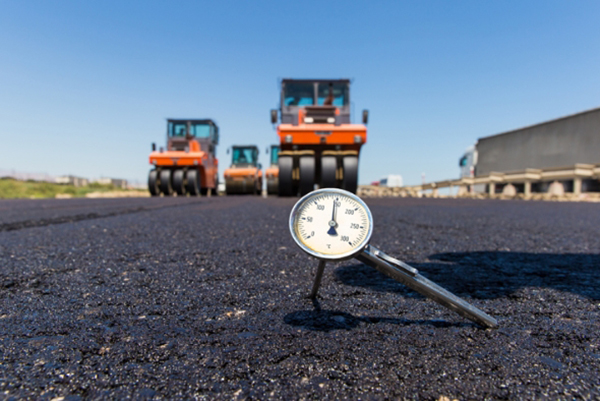
It's recommended that you apply the first sealcoat about one year after the initial installation and then reapply it every 3 to 5 years after that. The cost for professional sealcoating is typically between $0.20 and $0.50 per square foot. This small, recurring investment is the best thing you can do to protect your driveway and avoid costly repairs. In addition to sealcoating, you should inspect your driveway annually for small cracks. Filling these cracks promptly with a rubberized sealant prevents water from getting into the base layer and causing bigger problems. A little proactive repair goes a long way. This consistent upkeep ensures the asphalt remains flexible and resilient.
How Do You Choose a Reliable Asphalt Paving Contractor?
Choosing the right asphalt paving contractor is just as important as choosing the right materials. A great asphalt mix installed poorly will fail every time. Start by getting at least three detailed quotes from local, reputable companies. Don't just look at the final cost; compare the specifics of what's included. Does the quote detail the depth of the excavation, the thickness of the sub-base, and the thickness of the binder and surface layers of asphalt? A professional contractor will provide a transparent and comprehensive proposal.
Check for credentials. Is the contractor licensed and insured in your state? Liability insurance is crucial to protect you, the homeowner, in case of accidents on your property. Ask for references and look at examples of their previous work. A contractor who is proud of their work will be happy to show it off. Online reviews can be helpful, but a direct conversation with a past client is even better. Be wary of contractors who pressure you for an immediate decision, demand full payment upfront, or offer a price that seems too good to be true—it usually is. A good contractor is a partner in your project, ensuring you get a durable, high-quality asphalt driveway that adds value to your home.
How Does Raw Material Quality Influence the Longevity of Your Asphalt?
As a supplier of the core components for asphalt production, I can tell you that the quality of the raw materials is the foundation of a durable driveway. The final asphalt that gets paved on your driveway is a carefully engineered product. It's mostly aggregate (crushed stone, gravel, and sand), but what holds it all together is the binder—typically a petroleum-based substance like High temperature asphalt. The quality and grade of this binder are paramount. A superior binder will remain flexible in the cold and stable in the heat, preventing the cracks and ruts that plague low-quality pavement.
When contractors purchase their materials, they have choices. They can opt for cheaper, lower-grade materials or invest in high-quality, modified products that meet stringent international standards. This choice directly translates to the performance of your driveway. For instance, using materials like high-quality Coal tar pitch flakes in certain industrial binders ensures superior adhesion and waterproofing properties. While you, as a homeowner, don't order these raw materials directly, you can and should ask your contractor about the quality and source of their asphalt mix.
A contractor committed to quality will be transparent about their suppliers and the grade of asphalt they use. They understand that building a lasting blacktop driveway starts with excellent ingredients. A slightly higher upfront asphalt driveway cost for a premium mix often translates into a driveway that lasts years longer and requires fewer repairs, offering a much better return on investment. Ultimately, the strength and longevity of your asphalt are determined long before the paving equipment ever arrives at your home; it starts in factories like mine where quality control is everything.
Key Takeaways to Remember
- Budget Accordingly: Expect to pay between $3 and $7 per square foot for a new asphalt driveway in 2025, but this can vary widely based on your location and project complexity.
- Foundation is Everything: The most critical part of a long-lasting driveway is the sub-base. Don't skimp on proper excavation, grading, and compaction.
- Material Quality Matters: The type and quality of the asphalt mix, especially the binder, directly impact the durability and lifespan of your pavement.
- Hire a Reputable Pro: Asphalt paving is not a DIY job. Choose a licensed, insured, and experienced contractor who provides a detailed quote and has a portfolio of quality work.
- Don't Forget Maintenance: Plan for regular upkeep, especially sealcoating every 3-5 years, to protect your investment and prevent costly repairs down the line.
Post time: 09-09-2025