

Asphalt, tar, and sealcoating are crucial for protecting surfaces like driveways, roofs, and pavements. Understanding the drying time of these materials is essential for ensuring their effectiveness and longevity. This article dives deep into the drying process of asphalt, tar, and sealcoating, covering everything from the factors that affect drying time to practical tips for achieving the best results. Whether you're a homeowner or a contractor, this guide provides valuable insights to help you get the most out of your paving and sealing projects.
1. What Affects the Drying Time of Asphalt?
The drying time of asphalt is not a fixed number; it's a range that varies depending on several crucial factors. Understanding these elements can help you manage your asphalt projects more effectively.
One of the most significant influences is the weather conditions. High temperatures and low humidity speed up the drying process, while cooler temperatures and high humidity prolong drying time. The type of asphalt mixture used also plays a role. Some mixtures dry faster than others due to their composition.
Finally, the thickness of the asphalt surface is a critical factor. Thicker layers require more drying time because the moisture trapped within takes longer to evaporate. For optimal results, it's always best to consult with a professional paving contractor who can assess your specific needs.
2. How Long Does New Asphalt Take to Dry?
New asphalt requires a specific drying time before it's ready for use. This is often referred to as the curing process, which is crucial for the asphalt to harden and achieve its full strength and durability.
Typically, you can expect new asphalt to dry enough for light traffic within 24 to 48 hours, depending on weather conditions. However, the curing time can extend to several days or even weeks. It is important to allow ample time for the asphalt to dry and cure before exposing it to heavy loads or continuous traffic.
Remember that the drying process isn't just about the surface feeling dry; it's about the internal moisture evaporate and the asphalt fully hardening. Ensuring adequate curing time prolongs the life of your asphalt.
3. What’s the Drying Process for Tar?
Tar, derived from the distillation of coal, undergoes a unique drying process. The drying process for tar involves the evaporation of volatile components, leaving behind a hardened, waterproof material.
The drying process for tar is crucial for its effectiveness as a sealant or adhesive. It involves several stages: Initially, the tar is applied in a liquid state. As it sits, the solvents and water in the tar evaporate, causing it to harden. The drying time of tar can vary depending on the type of tar and the environment.
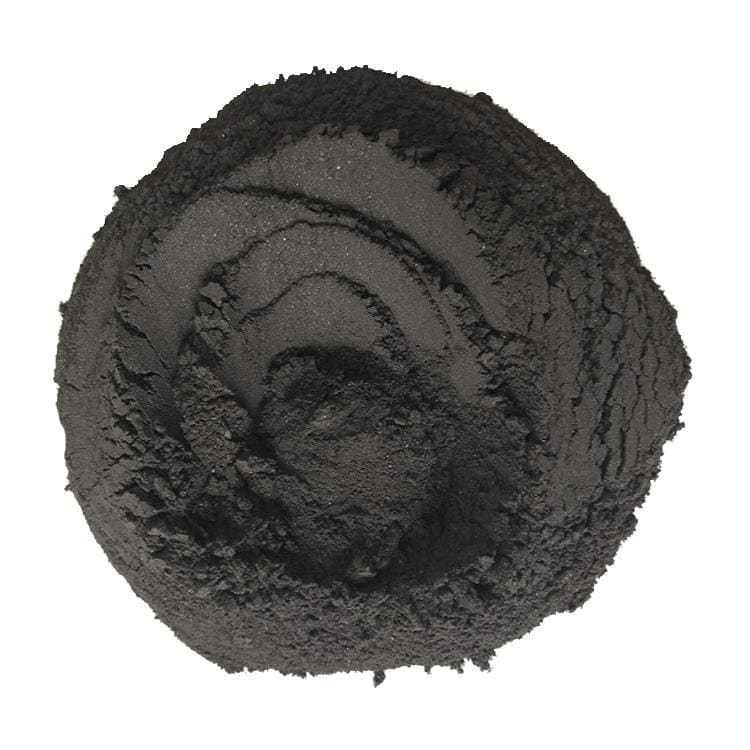
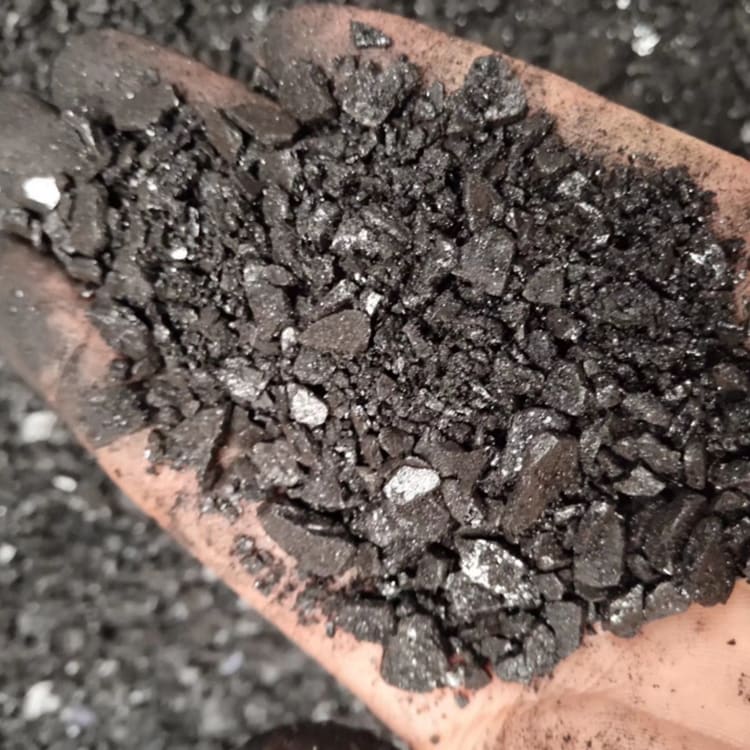
Tar applications, like coal tar products and modified asphalt, are essential for many construction and maintenance projects. High Quality Coal Tar Pitch Factory and Supplier offers high-quality coal tar products. During the curing process, the tar transforms from a pliable substance to a rigid, protective layer.
4. How Long Does Roofing Tar Take to Dry?
Roofing tar, used extensively in roof applications, has a drying time that's essential for ensuring a proper seal and protection.
The drying time for roofing tar can range from several hours to a few days. Many factors can affect the drying of roofing tar, including the type of tar used, the thickness of the application, and the prevailing weather conditions. High temperatures and low humidity will speed up the drying process, whereas cooler temperatures and high humidity will prolong drying time.
It’s essential to allow roofing tar to dry completely before exposing it to the elements, particularly rain. Otherwise, you risk compromising the waterproof seal and the durability of your roof. Therefore, weather conditions are especially important when working with roofing tar.
5. What Influences Sealcoating Drying Time?
Sealcoating is a protective layer applied to asphalt surfaces, such as driveways and parking lots, to prolong their life and prevent deterioration. The drying time of sealcoating is influenced by several factors.
The type of sealcoat is a primary factor. Some sealcoat formulations dry faster than others. The weather conditions, especially temperature and humidity, significantly impact the drying of sealcoating. High temperatures and low humidity lead to faster drying, while cool, humid conditions can prolong drying time.
Surface preparation also affects drying time. A clean, prepared asphalt surface will allow the sealant to adhere and dry faster. The curing process is essential for achieving the best results and ensuring long-lasting protection against wear and tear.
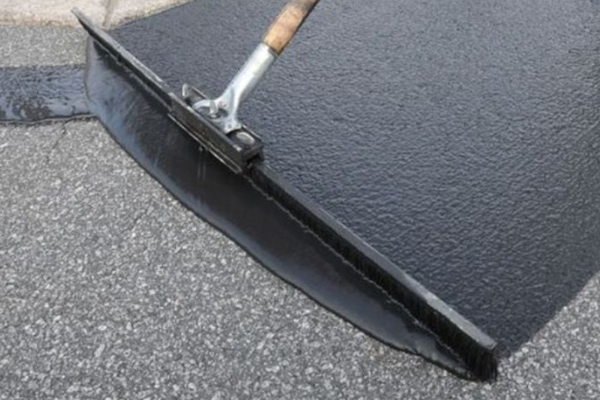
6. How Long Does Sealcoating Take to Dry on a Driveway?
The drying time for sealcoating on a driveway is a crucial consideration for homeowners. It determines when you can safely allow traffic and ensure the longevity of your sealcoat.
Typically, sealcoating takes anywhere from 24 to 48 hours to dry completely. However, it is always best to check the manufacturer’s instructions for specific drying times. The drying time can vary depending on the factors we've already discussed: the type of sealant, weather conditions, and the application thickness.
You should wait at least 24 hours after application before allowing foot traffic and at least 48 hours before allowing vehicles. This gives the sealcoat ample time to dry and cure, ensuring its durability and effectiveness.
7. How Can Weather Conditions Affect the Drying Time?
Weather conditions significantly affect the drying of asphalt, tar, and sealcoating. Understanding this can help you plan your projects effectively.
Humidity plays a major role. High humidity can prolong drying time because it slows down the evaporation process. Temperature is another critical factor; warmer temperatures speed up the drying process, while cooler temperatures slow it down.
Rain is forecasted: If rain is forecasted, you should postpone your project, as moisture can interfere with the curing process. Following the manufacturer’s recommendations and checking the weather conditions is essential for achieving optimal results.
Asphalt may require more time if weather conditions are not ideal. Planning accordingly will help you avoid issues like crack development and ensure long-lasting protection.
8. How to Speed Up the Drying Process for Asphalt and Sealcoating?
While patience is often necessary, there are ways to speed up the drying process for asphalt and sealcoating when time is of the essence.
One strategy is to apply the material during favorable weather conditions. Choose a day with high temperatures and low humidity. Ensure the asphalt surface is thoroughly clean and dry before application, as this promotes better adhesion and faster drying.
Another option is to use sealcoat additives designed to speed up the drying process. These additives can help the sealant dry faster and harden more quickly. However, always follow the manufacturer’s instructions.
Consider professional paving services to speed up the drying process. A contractor offers expertise in applying these materials under optimal results.
9. What Should You Do After Asphalt or Sealcoating Dries?
Once the asphalt or sealcoating dries completely, there are a few steps to take to ensure its longevity and maximize its benefits.
First, inspect the asphalt surface or sealcoat for any imperfections or areas that may need attention. Fill in any cracks promptly to prevent water from seeping in and causing further damage. Avoid any heavy traffic or activities that could prevent damage while the material is still settling.
Following the manufacturer's guidelines for maintenance is essential to ensure the longevity of the asphalt or sealcoating. Regular cleaning and periodic reapplication of sealcoating will prolong its life and maintain its appearance.
10. Why is Complete Drying Important?
Complete drying is essential for asphalt, tar, and sealcoating to achieve their intended functions and last longer. The drying process allows solvents to evaporate, leaving behind a durable, protective layer.
If asphalt or sealcoating is exposed to traffic or the elements before it dries completely, you risk compromising its durability and performance. Moisture can interfere with the adhesion, leading to wear and tear, crack development, and premature deterioration.
The drying process is essential for the sealant to harden and provide its full range of benefits, including waterproof protection, resistance to uv rays, and resistance to chemicals. Ensure the asphalt surface is completely dry to ensure the longevity of the material and prevent any future problems.
Key Takeaways
- Drying time for asphalt, tar, and sealcoating vary depending on several factors, including weather conditions, material type, and application thickness.
- New asphalt typically requires 24 to 48 hours for light traffic, but full curing time can take weeks.
- Roofing tar can take hours to days to dry completely, depending on the weather conditions.
- Sealcoating generally takes 24 to 48 hours to dry completely on a driveway, with weather conditions significantly affecting the drying process.
- High temperatures and low humidity speed up the drying process, while cool, humid conditions prolong drying time.
- Always follow the manufacturer’s instructions for specific drying times and application techniques.
- Ensure complete drying before exposing the surface to traffic or the elements to achieve optimal results and ensure long-lasting performance.
- Proper drying and curing are essential to the life span of asphalt surface.
Remember that choosing the right asphalt or coal tar product is crucial for the success of your project. If you are looking for high-quality materials, check out Medium temperature asphalt block and other products from our factory. We offer various options to meet your specific needs.
Post time: 02-24-2025