

As a supplier of the core materials that form the backbone of the paving industry, I, Allen, have seen countless projects succeed or fail based on one critical factor: temperature. For my clients like Mark Thompson in the USA, who bridge the gap between material production and the final paving job, understanding this variable is paramount. You might be asked, "Can my crew still pave in October?" or "Why did this summer's pavement last longer than the one laid in the fall?" The answer almost always comes down to temperature. This article is your definitive guide to understanding how cold affects asphalt paving. We'll delve into the science of why asphalt needs warmth, what happens when you lay asphalt in the cold, and the absolute minimum temperatures for a successful, long-lasting pavement. This knowledge will empower you to better serve your customers and protect your reputation for quality.
What is the Ideal Temperature to Lay Asphalt?
For any paving project, achieving the perfect finish and long-term durability comes down to working within the right temperature range. The industry-standard rule of thumb is that the ambient (or air temperature) should be at least 50 degrees Fahrenheit (10°C) and rising. This is the baseline for achieving the best results when you install asphalt. Why this specific number? Because it provides a safe window for the entire process, from the moment the hot asphalt leaves the truck until the final pass of the heavy roller.
This ideal temperature isn't just about crew comfort; it's about the physics of the asphalt itself. Hot mix asphalt (HMA) is produced at temperatures between 275°F and 325°F. This heat makes the bitumen—the black, sticky binder that holds the aggregate (stones and sand) together—fluid and workable. The goal is to get this material spread and compacted before it cools down too much. When the outdoor temperatures are warm, the asphalt mix retains its heat longer, giving the paving crew ample time to work. In essence, the warmer the weather, the more forgiving the process, which is why most large-scale asphalt paving jobs are scheduled for the warmer months.
Why is Compaction So Crucial for Asphalt Pavement?
To understand why temperature is so critical, we must first talk about compaction. Compaction is the process of using heavy rollers to press the freshly laid asphalt, squeezing out air pockets and forcing the particles of aggregate closer together. This creates a dense, strong, and waterproof pavement. A properly compacted asphalt surface is durable enough to withstand heavy vehicle traffic, resist water damage, and last for decades. Without proper compaction, the pavement will be weak, porous, and prone to early failure.
Think of hot asphalt like dough. When it's warm, it's pliable and easy to shape and compress. But as it starts to cool, it becomes stiff and unworkable. The same principle applies here. The bitumen binder in the asphalt needs to be at the right temperature to act as a lubricant, allowing the aggregate particles to shift and lock into place under the weight of the roller. If the asphalt gets too cold before compaction is complete, you simply cannot achieve the required density, no matter how heavy the roller is. This is the fundamental reason why temperature is the master variable in all asphalt paving.
How Cold is Too Cold to Pave with Hot Mix Asphalt?
So, we have the "50°F and rising" rule, but is it an absolute law? The answer to "how cold is too cold for asphalt?" is nuanced. While 50°F is the widely accepted minimum for standard asphalt paving, experienced contractors can sometimes work in slightly lower temperatures under specific conditions. The real enemy isn't just the number on the thermometer; it's the rate at which the asphalt loses heat. Paving on a calm, sunny day at 45°F might be more successful than on a windy, overcast day at 55°F.
However, once the temperature drops below 40°F, paving with standard hot mix asphalt becomes extremely risky and is generally not recommended. At these cold temperatures, the asphalt mat will cool so rapidly that it's nearly impossible to achieve proper compaction. The fresh asphalt will harden on the surface almost immediately, preventing the roller from densifying the layers beneath. Attempting to pave in such conditions often leads to a poor-quality job that will not last, resulting in wasted materials and angry clients. A professional asphalt contractor knows that pushing the temperature limits isn't worth the risk to their reputation or the longevity of the pavement.
How Does Ground Temperature Affect an Asphalt Paving Project?
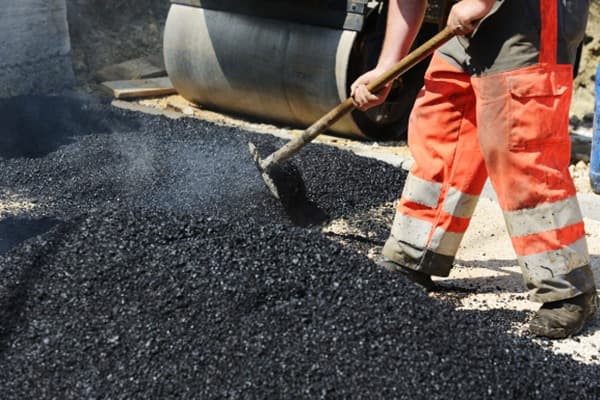
While we often focus on the air temperature, the ground temperature is an equally, if not more, important factor. The hot asphalt mix loses heat in two directions: up into the cold air and down into the ground it's being laid upon. If you try to lay asphalt on a frozen or very cold sub-base, the ground will act like a giant heat sink, sucking the warmth out of the bottom of the asphalt mat at an alarming rate.
This is why the "50°F and rising" rule is so important. It implies that the ground has had a chance to absorb some warmth from the sun and is not frozen from the night before. Most paving specifications require the ground temperature to be above freezing (32°F) and preferably much higher. An experienced paving contractor will use infrared thermometers to check both the surface temperature and the temperature of the asphalt as it's being laid. Ignoring a cold ground is a recipe for disaster, as the bottom of the pavement will never compact properly, leading to a weak foundation that is susceptible to moisture damage.
What Happens if You Lay Asphalt in Temperatures That Are Too Cold?
Let's say a crew decides to ignore the warnings and pave a driveway when it's 35°F outside. What are the specific consequences? The moment the hot asphalt hits the cold ground, it begins to cool quickly. The paving machine spreads it, but the surface starts to form a crust. The first roller that comes along might be able to press down the top layer, but it will struggle to compact the material underneath.
The result is a pavement with several critical flaws:
- High Air Voids: The asphalt will be full of tiny air pockets because it couldn't be densified. This makes the pavement act like a sponge, allowing rainwater and meltwater to penetrate deep into the structure.
- Raveling: Because the aggregate particles aren't tightly locked together by the binder, they will start to break loose from the surface under traffic. This is known as raveling, and it makes the surface rough and weak.
- Cracking: In the first winter, the water trapped in the porous asphalt will freeze and expand, breaking the weak bonds between the aggregate and causing widespread cracking.
- Reduced Lifespan: A properly installed asphalt surface can last 20-30 years. One laid in dangerously cold weather might fail in as little as 1-2 years, requiring a complete and costly replacement. This is a classic example of how cutting corners on proper installation leads to much higher costs down the road.
Is There a Special Asphalt Mix for Paving in Cold Weather?
The challenges of paving in cold weather have led to the development of different types of asphalt designed to work better in lower temperatures. While standard hot mix is best for major projects in the warmer months, other options exist.
Warm-Mix Asphalt (WMA): This is a newer technology where special additives are introduced to the asphalt mix. These additives allow the bitumen binder to be more fluid at lower temperatures. This means the asphalt can be produced and laid at temperatures 30 to 100 degrees Fahrenheit cooler than hot mix asphalt. This extends the paving season into the late autumn or early winter and also reduces fuel consumption and emissions.
Cold Mix Asphalt: This is a different product altogether. Cold mix asphalt is not designed for paving entire surfaces but is an excellent solution for temporary repairs. It uses a more volatile or emulsified binder that doesn't require heat to be workable. It's often sold in bags and is used to patch a pothole or utility cut during the colder months when hot-mix plants are closed. It's a temporary fix to make a road safe until a permanent hot mix repair can be done in the spring.
How Much Time Do You Have to Lay Asphalt Before It Cools?
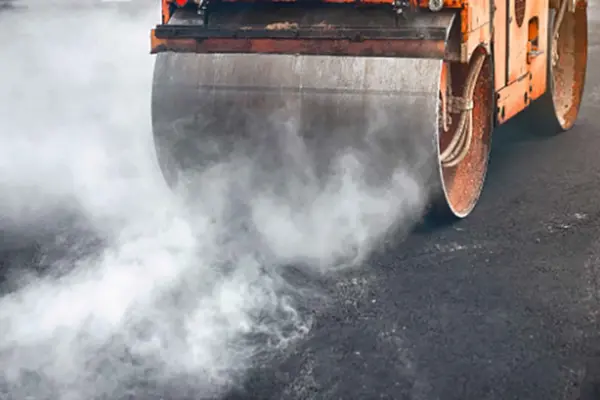
The amount of workable time for asphalt is a direct function of the ambient temperature, ground temperature, wind speed, and the thickness of the asphalt layer being placed. A thicker layer will retain its heat much longer than a thin one. This is often referred to as the "time to compaction."
The Asphalt Institute provides charts that estimate this window. For example, a 1.5-inch layer of asphalt laid when the air temperature is 40°F might give a crew as little as 8-10 minutes to complete compaction before the mat cools below the critical temperature of 185 degrees Fahrenheit. In contrast, on a 70°F day, the same layer might provide over 40 minutes of workable time. This dramatic difference highlights why scheduling your asphalt project during the right season is so vital. The limited time in cold conditions puts immense pressure on the paving crew and increases the risk of a flawed job.
| Ambient Temperature | Pavement Thickness | Estimated Time for Compaction |
|---|---|---|
| 40°F (4°C) | 1.5 inches | ~10 minutes |
| 50°F (10°C) | 1.5 inches | ~16 minutes |
| 70°F (21°C) | 1.5 inches | ~42 minutes |
| 50°F (10°C) | 3 inches | ~35 minutes |
Can You Repair or Patch Asphalt in the Winter?
While large-scale paving is off the table during freezing temperatures, essential repairs cannot always wait until spring. Potholes are a safety hazard, and leaving them open all winter can lead to much bigger problems as water and ice expand the damage. This is where cold patch asphalt becomes indispensable.
As mentioned, cold mix asphalt is specifically designed for these situations. It can be shoveled directly from a bag or truck into a pothole, compacted with a hand tamper or by driving over it, and will gradually harden over time. It's a durable temporary patch that can keep a road functional through the winter. Some municipalities also use infrared technology to heat a damaged section of asphalt, making it workable enough to patch with hot mix on a cold day, but this is a specialized and more expensive process. For the average homeowner or property manager, cold patch is the go-to solution for winter asphalt repairs.
What Other Weather Conditions Can Affect Asphalt Paving?
Temperature is king, but it's not the only weather factor to consider when you schedule asphalt work.
- Rain: You can never lay asphalt in the rain. Water on the sub-base will turn to steam when the hot asphalt hits it, creating pockets that prevent bonding. Rain will also rapidly cool the asphalt and wash away the liquid bitumen, preventing proper compaction and adhesion.
- Wind: A strong, cold wind acts like a convection oven in reverse. It will strip heat from the surface of the asphalt mat much faster than calm air, significantly reducing the available time for compaction.
- Extreme Heat: While we've focused on cold, extreme heat can also pose challenges. It can make the asphalt too soft, making it difficult to get a smooth finish and potentially causing the roller to leave marks. It also presents health and safety challenges for the paving crew. The ideal climate is one with moderate, stable temperatures.
How Can You Ensure a Quality Paving Job in Cooler Conditions?
If a paving job absolutely must be done in the marginal temperatures of late fall or early spring, there are steps a professional asphalt contractor will take to mitigate the risks. First, they will insist on paving only on bright, sunny days and will wait until mid-morning to start, allowing the sun to warm the ground. They will work with their local asphalt plant to ensure the mix asphalt is delivered to the construction site at the higher end of its temperature specification to maximize the heat available.
Furthermore, the logistics must be flawless. Trucks should be scheduled to arrive one after another to keep asphalt paving continuous, preventing cold joints. The crew must work efficiently and without delay, getting the asphalt spread and compacted as quickly as possible. They might also choose to pave in thicker lifts (layers), as this helps retain heat longer. Using a high-quality material, like a polymer modified asphalt, can also help as these mixes often have better workability. A commitment to these best practices is what separates a professional from a corner-cutter and is the only way to ensure proper installation when the weather is less than ideal.
Post time: 09-29-2025