
Raw materials power the entire global supply chain. For procurement managers focusing on large-scale chemical or metallurgical sourcing, understanding the origins of these dense materials is absolutely critical. This article breaks down the complex operations that create these essential resources, their primary manufacturing applications, and the vital safety guidelines involved. You will discover exactly why these heavy industrial outputs matter for maintaining product consistency and protecting workers on the factory floor. We will explore how these specific materials drive everything from metal smelting to specialized manufacturing.
If you purchase raw materials by the container load, you know that batch-to-batch consistency is everything. A single bad shipment can shut down an entire production line, costing thousands of dollars per hour. By learning the science behind these foundational materials, buyers can make much smarter, cost-effective decisions.
What exactly is this fuel and how is it created?
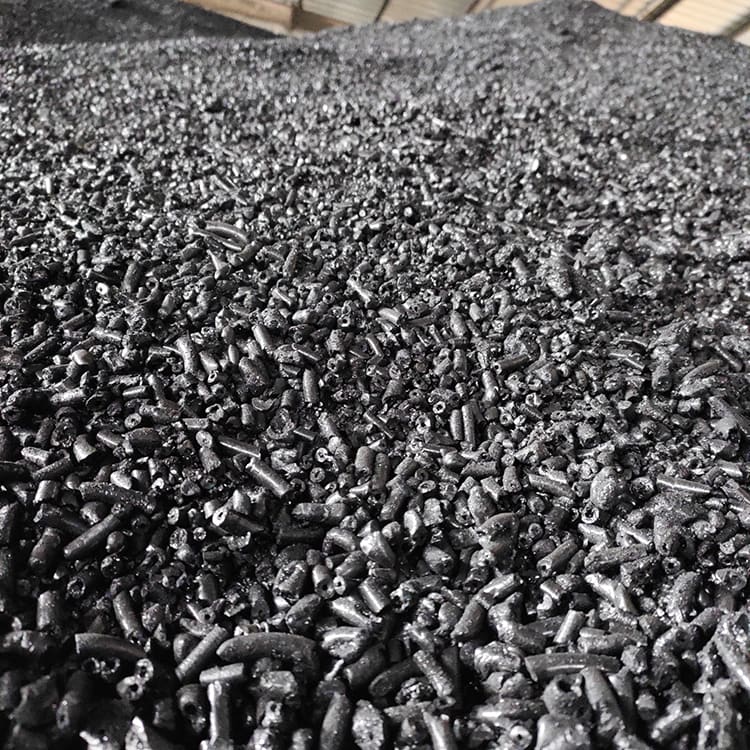
When we talk about heavy manufacturing, we often start with raw earth materials extracted from deep mines. The production of coke begins right here at the source. But what exactly is it? It is a hard, porous material that burns extremely hot. Factories create it by heating coal to a high temperature in massive, specially designed ovens. This intense baking takes place in the strict absence of air, so the raw material does not just burn up into useless ash. Instead, the raw rock is thoroughly carbonized.
This precise, controlled method removes all the water and trapped gas, leaving behind a highly dense solid fuel. Because it lacks moisture and volatile gases, it burns much hotter than regular mined rocks. During this intense baking cycle, a thick, black liquid is produced as a byproduct. This liquid is crucial for countless other manufacturing sectors worldwide. Procurement experts highly value this primary material because it is incredibly stable during transit and storage. It provides the massive, reliable energy needed for heavy industrial work in large quantities.
How are these raw materials produced in a process called coking?
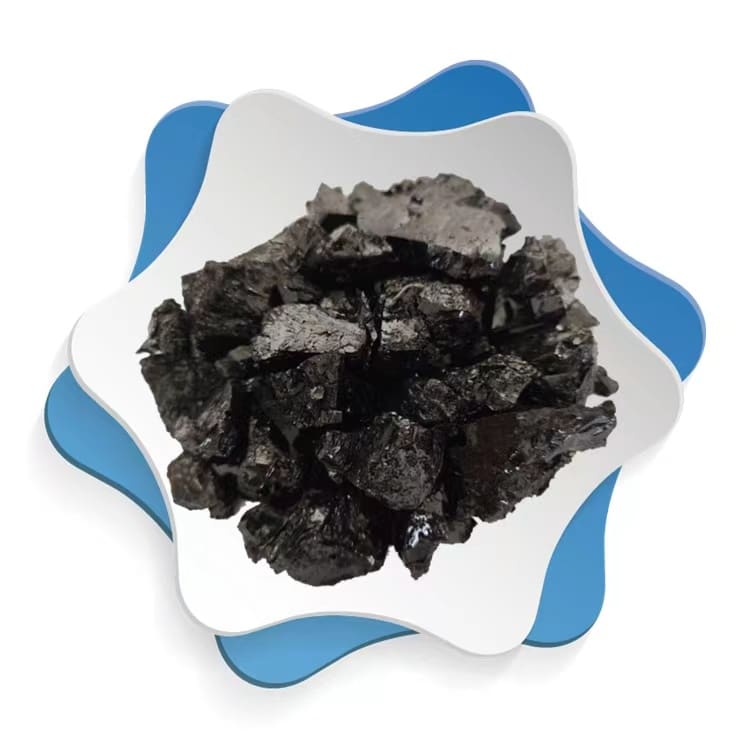
The journey from raw earth to an industrial powerhouse involves a truly fascinating transformation. The distillation of coal happens in specialized, highly monitored coke ovens. Inside these giant, airless brick chambers, the raw material undergoes severe thermal decomposition. This heavy industrial baking is often called coking by engineers and factory workers.
As the internal heat rises over several hours, the material breaks down physically and chemically. The volatile parts turn into vapor and gas. What remains at the bottom is the hard, grey fuel that steelmakers need. But the vapor does not just disappear into the sky. Factories capture and cool this vapor carefully using massive condensation towers. When cooled appropriately, the vapor condenses into a heavy liquid. It is a perfect example of industrial efficiency where absolutely nothing goes to waste. Every single part of the raw material finds a new, highly profitable purpose. For example, some buyers also look into specialized block materials for unique heavy construction needs.
Why is the distillation of coal tar a crucial step?
Once you have captured the thick liquid from the ovens, the work is still not finished. The raw liquid is a very complex mixture of hundreds of different chemicals. To make it truly useful for specific industries, factories must separate it carefully. They boil the liquid in extremely tall, specialized towers. Different chemicals naturally boil at different temperatures. This basic scientific principle separates the light, watery oils from the heavy, sticky residues. In this phase, a worker might be exposed to coal derivatives if a pipe leaks or a valve breaks.
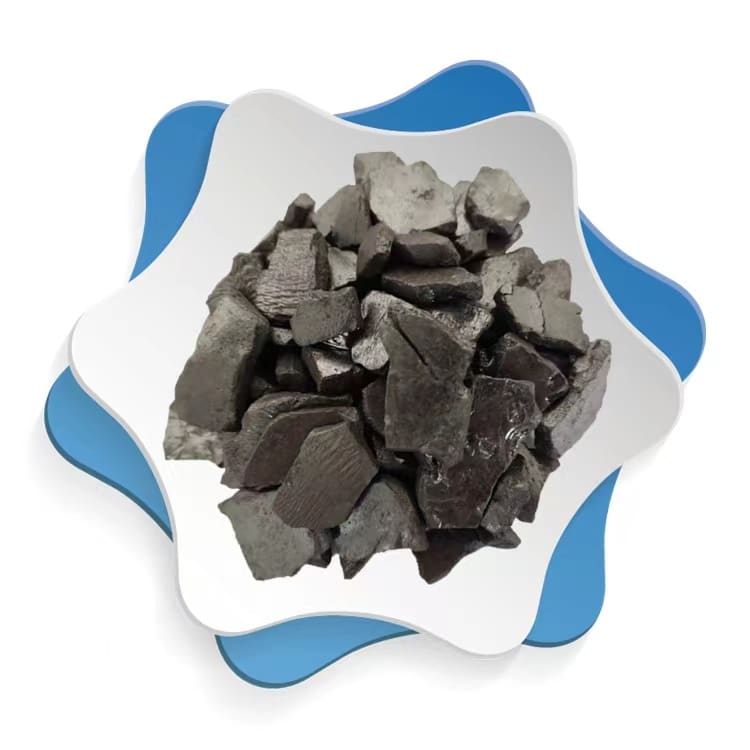
The non-volatile residue left at the very bottom of the tower is coal tar pitch. This dark, sticky material is highly valued globally for its unique binding properties. The separation process successfully removes many light oils, including benzene and phenol. What remains is a tough, durable binder that is incredibly waterproof. This makes it a fantastic base for coatings used to protect underground metal pipes from rusting. We also see a specific classification of this binder used to glue carbon blocks together for electrical applications.
What are the main workplace hazards and exposure risks?
Health and safety are paramount on the factory floor. Working with these dense carbon materials is not without severe danger. Workers face daily risks primarily through the inhalation of toxic, invisible fumes. When the giant ovens open or when hot liquid is poured into cooling molds, dangerous vapors escape into the immediate air. These specific, heavy vapors are known as coal tar pitch volatiles.
These fumes contain very dangerous, complex chemicals known as polycyclic aromatic hydrocarbons, or PAHs. Because these specific chemicals are highly carcinogenic, strict safety rules apply everywhere in the modern world. If a worker breathes them in daily without protection, the risk of serious disease spikes dramatically. The national toxicology program clearly lists these specific emissions in its latest report on carcinogens. Responsible factory managers must install massive ventilation fans and provide top-tier respirators to their entire teams to ensure a safe working environment.
How does occupational exposure to coal tar impact health and safety?
Long-term, unprotected contact with these heavy vapors can lead to severe, life-altering medical issues. Lung cancer is a heavily documented risk for long-term oven workers who operated in the decades before modern safety gear was invented. Furthermore, direct skin contact with the raw, hot material is extremely dangerous and can cause severe chemical burns. The occupational safety and health administration closely monitors this entire industry to prevent past tragedies from ever happening again.
There is also a grave, hidden risk of accidental ingestion. If toxic dust settles on lunchbox food or bare hands, it can easily enter the digestive tract of an unsuspecting worker. This is exactly why eating, drinking, and smoking are strictly banned anywhere near the factory floor. Proper safety and health protocols demand mandatory, thorough showers immediately after a shift ends. They also require specialized, heavy-duty protective clothing at all times. The safety and health of the dedicated workforce must always come before sheer production speed or daily output quotas.
How is this by-product utilized in modern aluminum production?
It surprises many people to learn that producing lightweight, shiny aluminum requires massive amounts of heavy, black carbon. In the modern smelting plants, intense electrical currents tear aluminum away from its natural rock ore. This massive amount of electricity flows straight through huge carbon blocks called anodes. To make a functioning electrode, factories mix crushed carbon dust with a very sticky binder.
That crucial binder is the heavy residue from our distillation towers. The coal-tar pitches include the perfect chemical properties to glue the fine carbon dust together tightly without burning away too quickly. Once baked in a special kiln, the finished block conducts electricity beautifully. Industrially, millions of tons of this specific material ship worldwide every single year just to keep aluminum smelters running smoothly. If you are sourcing specialized binders for similar high-demand applications, check out ourspecialized industrial flakes for high-quality, lab-tested options.
Can a substance derived from coal be used to treat skin conditions?
Yes, and this is perhaps the most fascinating, unexpected twist in the entire industrial story. While factory fumes are highly dangerous, highly refined versions of this liquid actually have legitimate medical uses. For well over a century, a specially purified liquid has been utilized by doctors and dermatologists to treat skin conditions. In its strictly medicinal, low-concentration form, coal tar is used to soothe stubborn, itchy rashes that resist normal creams.
When carefully processed by a top-tier pharmaceutical company under pristine laboratory conditions, it becomes entirely safe for human use. It is actively utilized around the world to manage psoriasis and severe, flaking eczema. It physically slows down the rapid, uncomfortable overgrowth of skin cells. You can even find it listed as an active ingredient in special, over-the-counter shampoos designed to aggressively fight dandruff. While the raw industrial compound is dangerous, the refined version provides immense relief to millions of people. This stark contrast shows just how incredibly versatile the underlying chemistry truly is.
What OSHA standards protect workers from exposure?
In the U.S., the government sets incredibly strict, non-negotiable legal limits on airborne dust and chemical fumes. The federal law states exactly how many microscopic milligrams of particulate a worker can safely breathe over a standard eight-hour shift. If a factory fails to purify the indoor air to meet these standards, it faces massive financial fines and immediate, forced shutdowns.
These stringent, necessary regulations are backed by rigorous science from the National Institute for worker health. Floor managers must routinely measure the air quality near the hot ovens using highly sensitive equipment. They must test for dangerous heterocyclic compounds and other toxic, lingering vapors. By strictly following these comprehensive safety rules, modern plants have drastically reduced the historic rates of skin cancer and severe respiratory illnesses among their dedicated staff. If you are handling related heavy roofing components, you might evaluate custom additives for oilfields to see how different safety specs apply across various chemical engineering products.
How does coke fuel massive melters and smelt metals in a foundry?
Without this incredibly hot-burning fuel, the modern steel industry simply would not exist as we know it today. When you need to melt raw iron ore, regular wood or standard heating coal will not work at all. They contain way too much trapped water and too much unpredictable impurity. You absolutely need a fuel that burns pure, clean, and incredibly hot. This is why coke production remains so vital globally.
You dump the hard carbon fuel into massive blast furnaces lined with heat-resistant brick along with iron ore and crushed limestone. As it burns, it does two massive jobs simultaneously. First, it generates the insane heat needed to smelt the solid rock. Second, it chemically strips oxygen away from the iron ore itself. This chemical reaction leaves pure, bubbling molten iron behind. Every major steel foundry on earth relies entirely on this proven method. It is the absolute backbone of building tall skyscrapers, heavy cars, and long suspension bridges.
What modern facility measures manage pollution and toxic risks?
The historical legacy of these old factories is unfortunately tied to heavy pollution. In the past, thick black smoke poured directly into the sky, and chemical runoff poisoned local rivers and streams. Today, the modern story is entirely different. Strict laws force massive companies to aggressively capture and treat their waste before it ever leaves the property line. A modern coking process is incredibly clean compared to the facilities operating a century ago.
The heavy machinery is now tightly sealed against invisible leaks. Wet scrubbers wash and clean the exhaust gas before it ever reaches the top of the chimney. The dangerous toxic and volatile chemicals are trapped and safely disposed of or smartly recycled into secondary markets. Instead of dumping the heavy tars, we now refine them into useful products like a waterproof sealant for a commercial roof or a durable pavement. We even use them to pave new interstate highways and create advanced asphalt products. Some advanced processes even capture the escaping coal gas to generate electricity and power the plant itself. By turning dangerous waste into high value, the industry protects the natural environment and boosts its profit margins simultaneously. If a buyer needs to avoid certain chemicals entirely for a green building project, they might switch to petroleum derivatives depending on the exact engineering spec. You can explore heavy thermal materials to see how different industrial bases compare.
Summary and Key Takeaways
To make things abundantly clear for your next procurement cycle, here are the vital key takeaways to remember:
- This coke is a dense, hot-burning fuel made by baking coal in completely oxygen-free ovens to remove moisture.
- During this intense baking, a highly useful byproduct is generated that serves as the foundation for countless other chemical processes.
- Through careful distillation in tall towers, we extract heavy binders that are absolutely vital for global aluminum smelting and strong coating applications.
- While these materials have many uses, they contain dangerous chemicals, requiring strict, legally enforced safety protocols to protect workers.
- Surprisingly, highly refined, purified versions are used medically around the world to treat skin disorders.
- Modern, responsible factories use advanced wet scrubbers and sealed pipes to capture gas and prevent environmental damage to local communities.
- A mixed material like creosote and coal-tar pitch finds incredible utility in preserving industrial wood, like railroad ties, and binding carbon dust.
- Sometimes these advanced materials supplement or directly compete with petroleum by-products in heavy industrial applications, depending on global pricing.
- Understanding the deep carbonization and complex coal gasification processes helps smart buyers secure reliable, high-quality materials that won't disrupt their supply chains.
- Always ensure your chemical suppliers adhere strictly to legal exposure limits to protect their workers. Any coal tar or coal-tar product you purchase must come with proper, updated safety data sheets.
Post time: 03-06-2026