

When it comes to paving, the choice between hot mix and cold mix asphalt is one of the most fundamental decisions a project manager or procurement officer has to make. While both materials serve to create durable surfaces, their properties, applications, and installation processes are vastly different. Understanding these nuances is not just a matter of technical knowledge; it's crucial for budget management, project longevity, and overall success. As a factory owner with over a decade of experience in producing high-quality coal tar and petroleum coke products, I've seen firsthand how selecting the appropriate asphalt can make or break a project. This guide is designed to cut through the complexity, offering a clear, comprehensive comparison to help you make informed decisions, whether you're paving a major highway or repairing a simple driveway.
What Exactly is Asphalt and How is it Produced?
At its core, asphalt is a simple yet powerful material. It's a composite material commonly used for surfacing roads, parking lots, and airports. The basic recipe for asphalt is a mixture of aggregates—crushed stone, sand, and gravel—which act as the structural skeleton, and a binder. This binder is typically bitumen, a sticky, black, and highly viscous liquid or semi-solid form of petroleum. My factory specializes in producing high-grade binders like coal tar pitch flakes, which are essential for creating durable and reliable asphalt mixtures.
The production process is where the different types of asphalt diverge. To produce asphalt, the aggregates are first dried to remove moisture and then screened into various sizes. For hot mix asphalt, the aggregate and the bitumen binder are heated to high temperatures (typically 150-175 degrees Celsius) in a specialized asphalt plant before being mixed. This heating process reduces the viscosity of the bitumen, allowing it to thoroughly coat the aggregate particles. The resulting hot mix asphalt is then transported to the paving site, where it must be laid and compacted before it cools and hardens. This thermal process is what gives hot mix asphalt its renowned strength and durability.
Understanding Hot Mix Asphalt (HMA): The Industry Standard?
Hot Mix Asphalt (HMA) is, without a doubt, the most widely used type of asphalt for major construction projects. Think of highways, main roads, and large-scale commercial parking lots; these are almost exclusively paved with HMA. Why? The answer lies in the production process. When hot mix asphalt is heated and mixed at such high temperatures, the bitumen binder forms an incredibly strong bond with the aggregate as it cools. This creates a dense, resilient, and weather-resistant surface capable of withstanding heavy, continuous traffic and harsh environmental conditions.
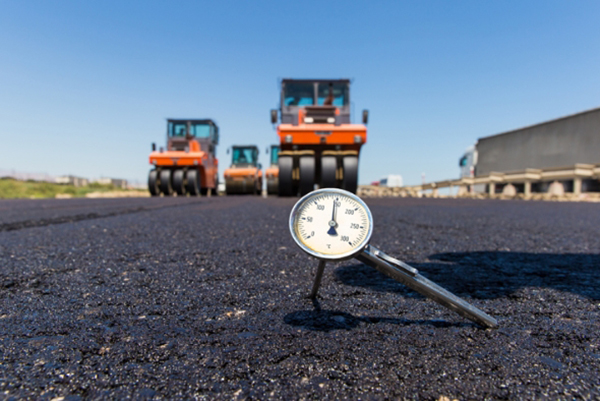
The quality of an HMA pavement is directly linked to the precision of its installation. The hot mix asphalt installation process is time-sensitive and requires a skilled crew and specialized machinery. The asphalt must be delivered to the job site at a specific temperature, laid down by a paving machine, and then compacted by heavy rollers while it is still hot and pliable. As the hot mix asphalt cools, it hardens into a solid, seamless surface. Due to hot mix asphalt’s superior strength and smooth finish, it remains the go-to choice for new construction and major resurfacing projects where longevity and performance are paramount.

What are the Key Advantages of Using Hot Mix Asphalt?
When you choose to use hot mix asphalt, you are investing in a premium paving solution with a proven track record. The advantages and disadvantages are clear, but the benefits often outweigh the drawbacks for large-scale applications. My customers in the road construction industry consistently choose HMA for their most demanding projects because of these key benefits:
- Exceptional Durability: The thermal bonding process creates a robust pavement that can last for 20 years or more with proper maintenance. It effectively resists rutting, cracking, and damage from heavy loads, making it ideal for any high-traffic area.
- Superior Weather Resistance: HMA forms a dense, water-resistant surface. This prevents water from penetrating the base layers, which is a primary cause of pavement failure, especially in freeze-thaw cycles. Its dark surface also aids in heat absorption, helping to melt snow and ice faster in winter.
- Smooth and Safe Surface: The application process results in a very smooth and even road surface. This not only provides a comfortable ride but also improves safety by reducing road noise and enhancing skid resistance.
- Versatility: HMA can be engineered into various formulations, such as stone matrix asphalt (SMA) or superpave mixes, to meet specific performance requirements for different climates and traffic levels. This includes creating a modified asphalt for enhanced flexibility and durability.
Exploring Cold Mix Asphalt: A Viable Alternative?
Cold mix asphalt offers a different approach to paving. Unlike its hot counterpart, cold mix asphalt does not require heating before it's used. Instead, it is produced by using a softer bitumen or by emulsifying the bitumen with water and an emulsifying agent. This process creates a binder that is workable at ambient temperatures. The asphalt is a mixture that can be produced in a central plant or even mixed on-site for smaller jobs. Once the cold-mix asphalt is applied and compacted, it cures as the water evaporates from the emulsion, causing the material to harden.
This type of asphalt mix is incredibly convenient. It can often be purchased in bags or stockpiled for extended periods, making it readily available for quick repairs. Because it doesn't need to be kept hot, the transportation and application logistics are far simpler and less expensive. You don't need the massive, insulated trucks or the large paving crews associated with HMA projects. This makes cold asphalt an excellent solution for specific situations where the scale, budget, or timing of a project makes HMA impractical.
When is Cold Mix Asphalt the Smarter Choice for a Paving Project?
While it may not be as strong as hot mix asphalt, cold mix asphalt has its own set of unique advantages and is the superior choice in several scenarios. Its primary application is for repair and maintenance work. It is the perfect material for filling a pothole or patching cracks on a roadway or driveway. The convenience of being able to open a bag and immediately apply the material makes it invaluable for municipal crews performing quick fixes to prevent further pavement deterioration.
Furthermore, cold mix asphalt is ideal for paving in remote or hard-to-reach locations where an asphalt plant is not nearby. Transporting HMA over long distances is not feasible because the asphalt cools quickly. Cold mix asphalt, on the other hand, can be transported and stockpiled without issue. It's also the go-to option for projects in colder weather. While HMA requires temperatures above 40 or 50 degrees Fahrenheit for proper installation, cold mix can often be applied in much cooler and even damp conditions, extending the paving season. For low-traffic areas like rural roads, residential driveways, or temporary paths, cold mix asphalt is used as a cost-effective and practical solution.
Hot Mix vs. Cold Mix Asphalt: A Head-to-Head Comparison
To truly understand the differences between hot mix asphalt and cold mix asphalt, a direct comparison is helpful. As a procurement officer, seeing the specifications laid out side-by-side can clarify which product fits your client's needs.
| Feature | Hot Mix Asphalt (HMA) | Cold Mix Asphalt |
|---|---|---|
| Production Temperature | Heated to 150-175°C (300-350°F) | Mixed at ambient temperature |
| Primary Application | New construction, major resurfacing, highways | Pothole repair, patching, low-traffic areas |
| Durability & Strength | Very high; long-term solution (20+ years) | Lower; often a temporary or short-term fix |
| Installation Weather | Requires warm, dry weather (>10°C / 50°F) | Can be applied in colder, damp conditions |
| Installation Equipment | Requires specialized, heavy machinery | Can be applied with basic hand tools |
| Curing Time | Cures quickly as it cools (hours) | Cures slowly as water evaporates (days/weeks) |
| Cost | Higher initial material and installation cost | Lower upfront material and labor cost |
| Environmental Impact | Higher energy consumption and emissions | Lower energy consumption and emissions |
This table highlights the core trade-offs. The difference between the two is clear: HMA is a high-performance, long-term investment, while cold mix asphalt is a convenient, flexible, and affordable solution for specific repair and low-stress applications.
How Do Weather Conditions Affect Asphalt Paving with HMA and Cold Mix?
Weather is a critical, non-negotiable factor in any asphalt paving project. For HMA, the constraints are significant. The asphalt is heated to a high temperature and must maintain that heat until it is fully compacted. Paving in cold or wet weather is a recipe for disaster. If the base is cold, the hot mix asphalt cools too rapidly, preventing the rollers from achieving the required density. This results in a weaker pavement with voids that allow water to penetrate, leading to premature failure. This is why the asphalt paving season is generally limited to the warmer months of the year.
This is where cold mix asphalt truly shines. Because it doesn't rely on heat for workability, it can be successfully applied in a much wider range of weather conditions. It can be used when temperatures are as low as 40 degrees Fahrenheit (around 4 degrees Celsius) and can even tolerate some moisture in the area being repaired. This flexibility is a huge operational advantage for maintenance crews who need to address issues like a pothole year-round. It allows them to make critical repairs during the off-season, preventing small problems from becoming large, expensive ones.
Durability and Longevity: Which Asphalt Type Lasts Longer?
When it comes to durability, there is no contest: hot mix asphalt is the most durable option. The process of heating and mixing the bitumen and aggregate creates a powerful chemical and physical bond that is difficult to replicate with cold processes. As the hot mix asphalt is poured and compacted, it forms a dense, monolithic slab that distributes loads evenly and stands up to the stresses of traffic and weather for decades. The finished asphalt pavement is strong, flexible, and built for the long haul.
Cold mix asphalt, by its very nature, is a less permanent solution. The binder in cold mix cures through evaporation rather than thermal setting, and the resulting bond is not as strong. The material is more porous than HMA, which can allow water and air to penetrate, leading to faster oxidation and degradation of the bitumen. While modern cold-mix asphalt formulations have improved significantly, they are still primarily considered a patch or a temporary surface. A cold mix patch on a busy road will likely need to be replaced with a permanent HMA repair when the weather allows. For a private driveway with light traffic, a cold mix application might suffice for several years, but it will not match the lifespan of an HMA installation.
Cost Analysis: Is Cold Mix Asphalt Always More Affordable?
On the surface, cold mix asphalt appears to be the more budget-friendly option. The material cost per ton is often lower, and because it doesn't require heating and specialized equipment, the labor and installation costs are significantly reduced. You can buy bags of asphalt for small repairs, avoiding the minimum tonnage orders required for HMA from an asphalt plant. For small-scale patching, the economic choice is clearly cold mix. Mix asphalt is generally a more economical repair solution.
However, for larger projects, a lifecycle cost analysis tells a different story. While the initial investment for an HMA paving project is higher, its superior durability means it will last much longer and require fewer repairs over its lifespan. A road paved with HMA might last 20 years, whereas a road surfaced with cold mix asphalt under the same traffic load might need resurfacing in less than half that time. Therefore, the long-term cost of the cold mix asphalt option could end up being significantly higher due to repeated maintenance and replacement. The key is to match the asphalt type to the application to achieve the best value. Some projects may even benefit from specialized materials like our special asphalt for oilfield additives, which is engineered for unique performance demands.
Choosing the Right Asphalt Mix for Your Specific Needs
Selecting the appropriate asphalt for your project is a critical decision that balances performance, budget, and logistics. There is no single "best" type of asphalt; the right choice depends entirely on the specific application. Choosing the right material requires you to answer a few key questions:
- What is the application? Is it a new highway construction, a commercial parking lot, a residential driveway, or a simple pothole repair?
- What is the expected traffic load? Will the surface need to withstand heavy trucks daily, or just light passenger vehicles?
- What are the prevailing weather conditions? Is the project taking place in the middle of summer, or do you need a solution that works in colder temperatures?
- What is the budget and timeline? Are you looking for the most durable long-term solution, or do you need a quick, cost-effective fix right now?
"As someone who supplies the foundational materials for these products, I always advise my clients to look beyond the upfront cost. The true value of an asphalt product is measured in its performance and longevity in the field. A high-quality hot mix asphalt, for example, is an investment in infrastructure that pays dividends for years to come." - Allen, Factory Owner
Ultimately, for any new construction or high-traffic surface, hot mix asphalt is the undisputed champion. Its strength, durability, and smooth finish provide the best long-term value. For repairs, temporary surfaces, remote locations, and cold-weather applications, cold mix asphalt offers unparalleled convenience and flexibility. For projects requiring enhanced performance, exploring options like modified asphalt can provide a customized solution that offers the best of both worlds. Understanding these hot and cold options empowers you to source the perfect material for every paving challenge.
Key Takeaways to Remember
- Hot Mix Asphalt (HMA) is produced and applied at high temperatures, creating an incredibly strong, durable, and weather-resistant surface ideal for highways and high-traffic areas.
- Cold Mix Asphalt is applied at ambient temperatures, making it a convenient, flexible, and cost-effective solution for pothole repairs, patching, and low-traffic surfaces.
- Weather is a deciding factor. HMA requires warm, dry conditions for proper installation, while cold mix can be applied in a much wider range of temperatures, including colder and damp weather.
- Durability vs. Convenience. HMA is the superior choice for long-term durability and longevity. Cold mix offers unmatched convenience for quick repairs and off-season work.
- Cost should be evaluated based on lifecycle. While cold mix has a lower upfront cost, HMA provides better long-term value for major paving projects due to its extended lifespan and lower maintenance needs.
- The right choice depends on the application. Always match the asphalt type to the specific needs of the project, considering traffic, budget, and climate.
Post time: 08-18-2025