

Welcome to a comprehensive guide about a material that quietly powers our modern world. Today, we will explore petroleum coke, widely known in the industry as petcoke. This dense, carbon-rich solid is much more than just a leftover from the oil refining process. It is a critical material for energy and manufacturing. Understanding the ins and outs of coke can drastically improve how you source materials, manage costs, and keep your supply chain running smoothly. In this article, you will learn why this product matters to savvy procurement managers. We will look at how facilities refine oil and produce petcoke. Procurement experts know that securing reliable raw materials is the key to maintaining profit margins in volatile global markets. When you master the specifications and logistics of your supply chain, you position your entire manufacturing operation for long-term success.
What exactly is petroleum coke and how do we produce this solid fuel?
Let's start with the basics of material science. Petroleum coke is a solid byproduct created during the refining of crude oil. When a facility works to refine liquid fuels from raw materials, there is always a fraction of the liquid that is simply too dense and heavy to be distilled normally. This leftover part is often called the residual or residue. To convert this heavy oil, such as heavy crude oil or even bitumen, the facility heats the substance to extreme temperatures. Under this immense thermal pressure, heavy molecular chains break apart. Lighter parts become usable gas and liquids, while the solid material left behind is petcoke. This solid phase is vital because it captures the dense elements that otherwise could not be utilized, turning a waste stream into a highly valuable commodity.

Essentially, coke is produced as the final solid state of the hydrocarbon chain. While most people think of a refinery producing only clear liquids for cars and airplanes, petcoke is also produced in massive volumes right alongside those liquids. Every year, a typical oil refinery might generate thousands of tons of petcoke. The global output is truly staggering, with over a hundred million metric tons produced annually worldwide. They produce it continuously as they refine the world's crude oil. As a procurement manager, seeing the sheer scale of this production helps you realize just how established and secure this supply chain actually is. The sheer volume available means that savvy buyers can negotiate favorable terms if they understand the market dynamics and the seasonal shifts in global demand.
How is fuel grade petcoke used to power an industrial plant?
There are two main categories of this material, and the first is fuel grade petroleum coke. As the name suggests, this type is primarily used as a fuel to generate immense amounts of heat. In a large-scale industrial plant, energy costs dictate whether the company makes a profit or suffers a loss. That is why fuel grade material is exceptionally popular among buyers. The petroleum coke used here often replaces natural gas or coal because it delivers more energy per pound than traditional options. You will frequently see it burned in huge cement kilns, where the extreme temperatures required to bake limestone and clay demand a very potent energy source. By utilizing this robust material, factory managers can keep their kilns running hotter and longer without overspending on expensive liquid alternatives.
Beyond cement manufacturing, petcoke is used heavily in other settings requiring steady, powerful energy input. Because the content of petcoke is so high in carbon, it provides a very stable combustion profile. When facilities burn this petcoke material, they get reliable performance that does not fluctuate wildly. This allows an industrial facility to maintain output at peak levels. Utilizing this petroleum coke effectively helps them manage high thermal needs safely and efficiently. If a factory relies on inconsistent energy sources, their final product quality will suffer. Consistent temperatures mean consistent manufacturing, which is exactly why this material is favored by operational directors who cannot afford any downtime or temperature drops during their critical shifts.
Why do coal-fired power systems mix coal with coke?
You might wonder how this fits into traditional power generation networks. Often, a coal-fired utility will blend traditional coal with petcoke. This blending strategy manages costs and maximizes heat output simultaneously. Because coke has a higher heating value than most standard coal, adding it to the mix boosts the overall efficiency of the boiler. They cannot use 100% petroleum coke in older systems, so they blend it to reduce mechanical strain during combustion. The older infrastructure was designed for softer materials, so finding the perfect mixing ratio is an engineering marvel that extends the life of aging equipment while simultaneously lowering the monthly operating budget for the utility provider.
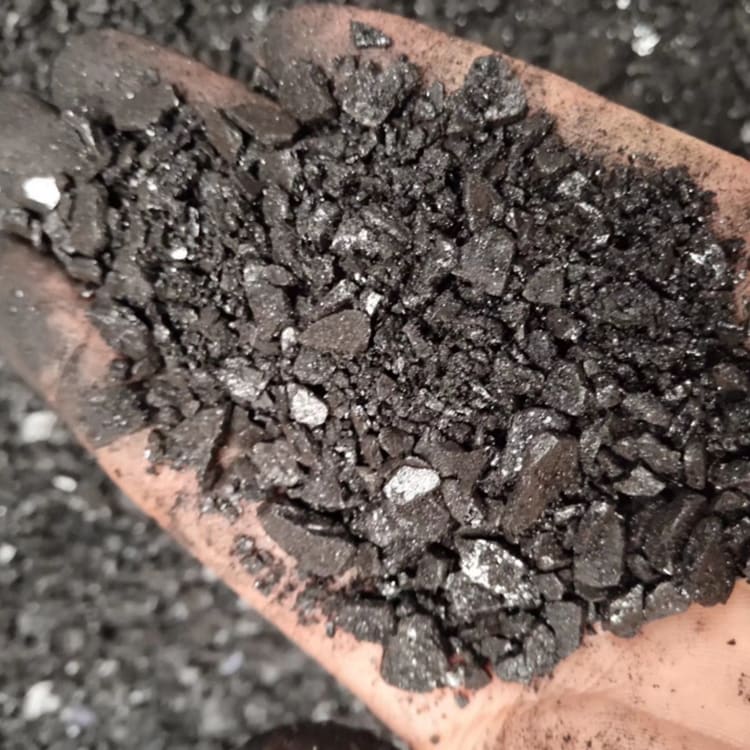
The mix allows older power plants to generate more electricity without undergoing a complete and expensive redesign. It is a delicate balancing act between the energy density of the fuel and the physical machinery limits. Using it used as fuel alongside coal stabilizes the flame and ensures consistent burning. This is an accepted process to squeeze every drop of efficiency out of legacy infrastructure, lowering raw material costs. They produce stable energy for the grid, relying heavily on coke and coal blends. By utilizing high temperature coal tar insights and other thermal metrics, operators learn exactly how to calibrate their systems. This careful calibration guarantees that the community receives uninterrupted power while the utility company maintains a healthy financial sheet.
What is the calcine process and how does it upgrade the carbon?
Let's shift our focus to the higher-value side of the industry: calcining. If the raw material possesses the right initial properties, it undergoes a calcine operation. This means heating the raw petcoke in a massive rotary kiln. This specialized process is designed to drive off remaining moisture and volatile matter. As the temperature inside the kiln soars to extreme levels, the coke becomes physically denser. Its carbon purity increases dramatically during this phase. We convert a basic byproduct into an advanced industrial material. The transformation is remarkable, changing a simple energy source into a highly engineered structural component that forms the backbone of modern metallurgical operations.
After cooling down, the resulting product is known as calcined petcoke. It is no longer just a simple fuel; it has become a critical raw material. The ability to calcine it properly requires great skill, precise timing, and advanced laboratory testing. The resulting purity dictates whether it can be sold to high-tech manufacturing sectors or if it stays relegated to the lower-tier energy pile. A facility might refine its process continuously over many years to produce the absolute best quality petroleum coke possible. Buyers who understand this transformation know exactly what questions to ask their suppliers regarding the specific lab tests and quality assurance protocols used at the origin site.
Where is calcined petroleum coke applied in metal and aluminum production?
Once upgraded, calcined petroleum coke is used extensively in the metal and steel sectors. The absolute largest consumer of this premium grade is the aluminum industry. For the production of aluminum, massive electrical currents are required to separate the raw metal from its base ore. To deliver this intense electricity, they use a giant carbon electrode. These electrodes are made almost entirely from calcined petcoke because it conducts electricity incredibly well, and its low ash content make it ideal to prevent chemical contamination. Without this specific grade of coke, producing everyday aluminum items would be mechanically impossible. It is heavily used in the production of high-grade goods that require absolute material purity.
Furthermore, this high-grade petcoke coke is also used to make graphite electrodes for electric arc furnaces that recycle and smelt scrap steel. It acts as a primary carbon additive to carefully adjust the chemistry of the molten metal. So, the next time you see a shiny new vehicle rolling down the highway, remember that petroleum coke played a crucial role in manufacturing its sturdy frame. They constantly produce modern steel using this material. Understanding the chemical requirements of your metallurgical clients helps you source the right materials, such as evaluating options like coal tar pitch flakes or specialized carbons to ensure your supply meets the rigorous demands of the modern foundry.
Can fuel grade petcoke reduce costs compared to alternative energy?
Cost control is a vital pain point for any procurement professional. When evaluating fuel grade petcoke, its economic advantage becomes incredibly clear. On a per-BTU basis, it is often significantly cheaper than natural gas and standard coal. For companies using massive energy to create heat or drive a furnace, making the switch can reduce operational expenses instantly. The petcoke market is dynamic, offering seasonal buying opportunities. In the chemical sector, this material is sometimes used as a foundational feedstock. Smart purchasing managers keep a close eye on global price indexes, allowing them to lock in long-term contracts when prices dip, thereby securing millions of dollars in savings for their manufacturing divisions over the fiscal year.
Through a complex gasification setup, it can be broken down to produce synthesis gas (a unique mixture of co and hydrogen). This synthesis gas synthesizes other vital chemicals or even synthetic crude oil (often called syncrude). It functions not only as a fuel but as a primary chemical building block. Whether using petroleum coke to heat a boiler or acting as a feedstock, this residual product provides tremendous economic leverage to reduce costs. Factories that diversify their raw material intake are far more resilient against global supply chain shocks. When traditional commodities spike in price, having an alternative setup ready to go ensures that the production lines never stop moving.
What are the environmental realities, including carbon dioxide, when we burn coke?
We must address the environmental realities of petroleum coke. When you burn any carbon-rich material, you inevitably emit carbon dioxide. Because coke is incredibly dense in carbon, combustion releases a large amount of this greenhouse gas. Another major concern is sulfur. The petcoke raw material often has a high sulfur content. Without proper scrubbing technology installed at the facility, the emissions of sulfur lead to severe air pollution. Modern industries face intense scrutiny from regulatory bodies, making it absolutely imperative that buyers ensure their end-users have the correct emission capture technologies before finalizing any bulk shipment agreements.
Strict environmental controls are mandatory across the board. Facilities invest heavily to capture sulfur before it leaves the smokestack. Also, physically handling the product generates significant dust. Organizations like oilchange international have pointed out the localized impacts of this pollution. Proper management is absolutely required to reduce the release of trace heavy metals and control the concentration of particulate dust in the air. This rigorous oversight ensures they can safely burn the fuel without harming the surrounding communities. By implementing enclosed conveyor systems and dampening protocols, suppliers can deliver the product cleanly, protecting both the workers on site and the broader ecological landscape.
How does a refinery produce and export millions of tons of petcoke?
The logistics of handling these shipments are massive. An average oil refinery is designed to process liquids, so handling a solid residue requires special infrastructure. As they are refining heavy oils, the coke accumulates inside giant coker drums. Once removed via high-pressure water jets, this residual material is stockpiled. A single refinery can produce thousands of tons of petcoke daily. The global trade involves loading it onto massive bulk carrier ships for export. The u.s is a major exporter of petroleum coke. Watching these giant vessels load up at deep-water ports is a testament to the immense scale of the global energy and materials trade, connecting producers in one hemisphere with manufacturers in another.
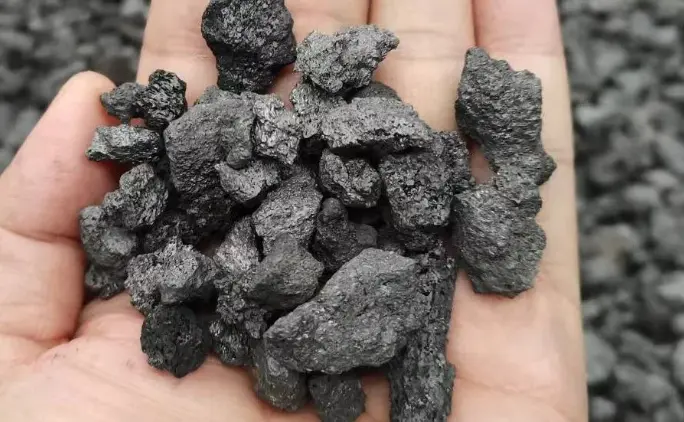
We estimate that the supply chain moves millions of tons annually. From the plant to the port, it requires dedicated logistics, including specialized rail cars and barges, to move this byproduct. It ensures the heavy industrial engines keep running smoothly. They continuously refine crude oil and generate petcoke to export worldwide. This process never stops as long as the world needs liquid fuel. For those involved in B2B chemical and materials supply, understanding the freight and shipping routes is just as important as knowing the chemical specs. Utilizing resources properly, much like incorporating petroleum asphalt flakes into specific logistical planning, allows for seamless international distribution.
How is petcoke utilized in power generation and boiler systems?
Let's dive deeper into power generation techniques. When using petcoke in a boiler, facilities usually utilize advanced Circulating Fluidized Bed technology. These boilers handle fuels that are notoriously hard to burn with high sulfur levels. Inside the boiler, crushed limestone reacts with the sulfur during combustion, preventing it from becoming a dangerous gas. This highly efficient process allows power plants to safely use the fuel for generating high-pressure steam. Without this specific bed technology, the environmental impact would be too great, but with it, the economic benefits are unlocked, allowing regions with tight budgets to power their electrical grids securely.
The steam spins a massive turbine to generate electricity. This method is a lifeline for developing nations needing affordable power to elevate their standards of living. It turns an otherwise problematic refinery byproduct into a vital energy component. The petroleum coke is a powerful petcoke fuel that, when managed correctly, drastically improves the economics of power generation. This synergy between the oil sector and the power sector exemplifies modern industrial efficiency. Waste from one operation becomes the lifeblood of another, creating a closed-loop economic advantage that benefits both the supplier and the end consumer relying on an affordable electric bill.
What must buyers know about moisture, volatile matter, and sulfur in petroleum coke?
For a buyer, purchasing petcoke or petroleum coke is all about strict specifications. Pay close attention to sulfur. High sulfur lowers the purchasing price significantly, but it requires expensive scrubbers to handle the resulting gas. Next, look at volatile matter and moisture. High moisture simply means you are paying to ship water, which lowers the heating value. High volatile matter affects how it burns in your furnace or behaves during the calcine stage. Being diligent about these metrics prevents catastrophic failures on the factory floor. Procurement managers must demand independent lab testing before signing off on any bulk cargo delivery.
The concentration of trace elements (like heavy metals) is critical, especially if the petcoke is used to produce aluminum, where chemical purity is paramount. Always demand a thorough analysis certificate. Whether sourcing petcoke to refine metal, generate power, or fuel a kiln, knowing the precise chemical makeup ensures you get the right carbon material for your specific industrial application. It safeguards your manufacturing process and your bottom line. Just as buyers meticulously inspect ball pitch for quality assurance, they must apply the same rigorous standards to every ton of material they bring into their facilities to ensure uncompromising operational excellence.
Key Takeaways to Remember
- Petroleum coke (or petcoke) is a dense, carbon-rich residue produced from the refining of crude oil.
- Fuel grade coke is heavily used as a fuel in industrial kilns and power plants to generate immense heat cost-effectively.
- The raw material is processed in a massive kiln to calcine it, completely removing moisture and volatile matter to rapidly increase its carbon purity.
- Calcined petroleum coke is used as a critical electrode in the production of aluminum and steel.
- Burning this solid fuel releases carbon dioxide and sulfur, requiring strict environmental controls to prevent severe pollution.
Post time: 05-18-2026