
Tracking global commodity trends is crucial for your procurement budget. If you buy industrial chemical supplies, you already know that changes in the raw materials market directly impact your bottom line. Today, we are exploring the coal tar pitch market size, reviewing critical data, and looking closely at the size and forecast leading up to 2030. Every procurement manager managing heavy USD expenditures needs a reliable supply of industrial binders. Read on to discover how these shifting trends affect your sourcing strategy.
Coal Tar Pitch Market Size and Forecast: A Deep coal tar pitch market analysis of Binder Growth Trends in the Coal Tar Market from 2022 to 2030
Since recent data collection points, the coal tar market has transformed significantly. Suppliers and buyers are closely monitoring the market size and forecast to lock in stable contracts.
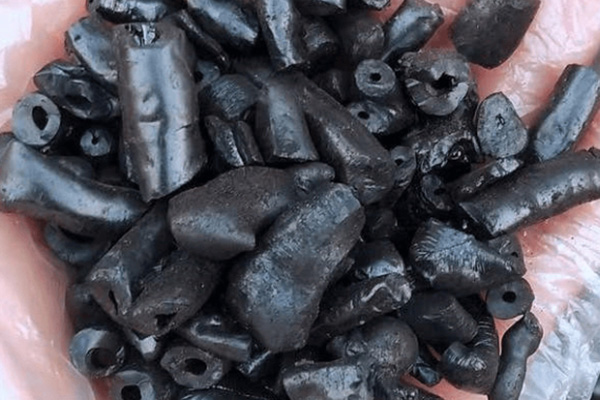
What is the current size of the coal tar pitch market and what does the forecast period tell us?
The global industry was evaluated carefully by leading financial experts. The market size was valued at around 3.8 billion USD in recent years. Analysts expect this market size to expand steadily as industrial consumption increases. The market size and forecast look very promising for top-tier suppliers. Over the next decade, experts project a steady CAGR that reflects consistent industrial demand.
When we look at the size and forecast, we see the market size is expected to hit nearly 5.2 billion USD by the end of the decade. This rapid market growth means buyers must plan their budgets ahead of time. The size of the coal tar industry expands directly in line with global infrastructure projects. Our size and forecast data show consistent, uninterrupted expansion. The global coal tar pitch segment is definitely on a strong upward path.
How is the global coal tar pitch market segmented for our market report scope?
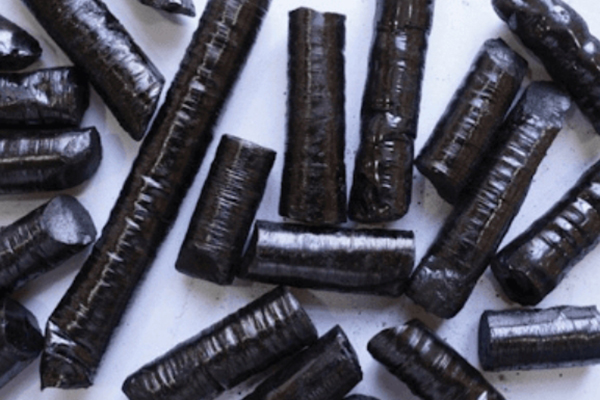
To properly understand this heavy industry, the market report scope divides products into logical categories. The market is segmented mainly by product type, form, and final application. For example, buyers often choose between liquid coal tar pitch and solid forms like Coal tar pitch flakes. Each unique form has a highly specific industrial use. A comprehensive market report covers all these variations to help buyers decide.
The applications of coal tar pitch range widely across heavy manufacturing sectors. We also analyze the global coal tar pitch by end-user to see who is buying the most volume. This careful segmentation provides deep market insights for strategic buyers who need exact specifications. You can easily source specialized materials from a reliable High Quality Coal Tar Pitch Factory and Supplier to perfectly match your technical needs.
Why does aluminum grade coal tar pitch command the largest market share?
When we look at the share of the market, one particular sector dominates the charts. The aluminum grade coal tar pitch holds the largest market share globally. Why is this specific grade so important? Because global aluminum production requires massive, continuous amounts of this material. It serves as an absolutely crucial binder for the smelting process.
Specifically, it acts as a binder pitch for the carbon anode used in heavy smelting pots. Without this reliable binder, making pure aluminum is chemically impossible. This drives intense demand for coal tar pitch worldwide. The high daily consumption in global smelters ensures that this specific grade remains the top selling product. The use of coal tar here is fundamental and chemically irreplaceable.
What role does graphite electrode demand play in market growth?
The modern steel industry loves using electric arc furnaces to melt scrap metal quickly. These incredibly hot furnaces melt scrap steel using a massive graphite electrode. To successfully manufacture a durable graphite electrode, factories absolutely need high-quality pitch binders. This specific graphite application fuels massive market growth globally. The industrial supply chain relies on these materials to keep steel mills running safely.
Every time global steel recycling increases, it is very good for the coal tar market. The graphite sector significantly boosts the global coal tar pitch market year over year. The electrode manufacturing process relies heavily on pitch to bind the carbon particles together. Therefore, the coal tar market expands right alongside the graphite market. We see a very strong CAGR tied directly to this powerful industrial synergy.
Who are the major industrial leaders shaping the coal tar pitch industry?
Several giant market players control the global landscape and set the pricing standards. Companies like Koppers Inc and Rain Carbon Inc hold significant production capacities in western nations. In the rapidly expanding Asian sectors, Himadri Speciality and Epsilon Carbon produce massive volumes daily. Other highly notable entities include Mitsubishi Chemical and JFE.
These major companies drive the sector higher and invest millions of USD each year into facility upgrades. For instance, Himadri and Epsilon Carbon heavily influence the Asian market access. Mitsubishi Chemical and JFE push technological boundaries in advanced material science. Meanwhile, Koppers Inc and Rain Carbon Inc maintain strong footholds in traditional manufacturing. Monitoring these global coal tar leaders helps you intelligently anticipate shifts in the global market.
How do economic shifts and cost fluctuations impact the price of coal tar pitch?
The market dynamics of this industry are complex and tied to several independent variables. First, we look at the production of coal globally. The primary source material literally comes from making coke from coal for steel blast furnaces. When you heat coal without air, you get coke and raw heavy tar. The subsequent distillation of coal tar yields the final pitch product.
This coal tar distillation process requires precise engineering and massive heat. Because it deeply depends on the steel industry's need for coke, the raw materials supply fluctuates wildly. This creates price volatility across the board. Consequently, the price of coal tar pitch can change rapidly, often costing a higher USD per ton during steel booms. Furthermore, strict environmental rules regarding polycyclic aromatic hydrocarbons drastically affect production costs and handling procedures.
What are the key growth drivers and challenges in this sector?
Every sector assessment must evaluate the opposing forces at work. What are the growth drivers and challenges? On the positive side, the refractory industry is a massive, unstoppable driver. Refractory bricks need incredibly strong binders to survive inside molten blast furnaces. This boosts the growth rate significantly. Another powerful driver is the heavy production of carbon black, which is vital for making car tires durable.
However, distinct challenges do exist. Stricter environmental regulations limit some fast growth opportunities. Yet, the overall growth analysis remains overwhelmingly positive. Despite the regulatory hurdles, the market for coal tar pitch continues to find new, highly profitable avenues. The compound annual growth rate stays resilient year after year. Our growth analysis proves that heavy industrial demand strongly outweighs the current regulatory challenges.
How does a geographic breakdown of China and India highlight growth opportunities?
A thorough regional analysis highlights Asia as an unstoppable industrial powerhouse. Specifically, China and India drive the most significant new market growth globally. Both nations are aggressively building massive infrastructure projects, from bridges to new cities. They constantly produce huge, record-breaking amounts of aluminum and steel. Therefore, China and India consume the most pitch by a wide margin.
This creates immense opportunities for the coal tar industry in Asia. The global coal tar pitch market centers heavily on these two developing giants. They offer the absolute best growth opportunities for aggressive global suppliers. Their massive domestic consumption pushes the market forecast higher every single quarter. For procurement managers, sourcing high-quality products like Ball pitch directly from these regions often provides the best possible cost advantage. The size and forecast in Asia dwarf other continents easily, reaching into the billions in USD.
Will the rise of energy storage create demand for new coal tar pitch and advanced formulations?
The future of this industry looks highly technical and very exciting. We are currently seeing a massive surge in energy storage solutions, particularly large lithium-ion batteries. These advanced batteries require highly specialized carbon materials to function efficiently. This urgent requirement creates a direct need for new coal tar pitch formulations that are incredibly pure.
Advanced formulations are used to safely coat battery anode materials. Additionally, creating strong, lightweight carbon fiber heavily relies on these refined tar products. Coal tar pitch derivatives are no longer just for heavy smelting; they are now actively used for high-tech energy storage. This modern technological shift adds incredible long-term value to the global coal tar sector. High-end carbon fiber and battery tech will completely redefine the market size and forecast soon. The global coal tar pitch market is evolving rapidly into the profitable green energy sector.
What do financial projections reveal about market revenue up to 2030?
Our extensive market research report provides a clear, highly actionable roadmap for buyers. According to the latest data, the tar pitch market is projected to grow at a reliable CAGR, reaching an estimated 5.8 billion USD. The market size and forecast indicate robust health for the next several years.
By 2030, the global coal tar pitch market will look vastly different, heavily influenced by battery tech and green energy initiatives. If you want to safely secure your supply chain, looking at premium options like High temperature coal tar is a very smart move today. The market forecast confirms that early planning actively secures far better pricing for your company.
Summary of Key Insights
Understanding these complex supply trends will easily help you negotiate far better raw material contracts in the future.
- Financial Growth: The coal tar pitch market size continues to grow, confidently aiming for high billions in USD.
- Future Outlook: The size and forecast through 2030 confidently predict a highly stable CAGR.
- Main End Users: Aluminum grade coal tar pitch and graphite electrode manufacturing heavily dominate the total volume.
- Top Suppliers: Industry giants like Koppers Inc, Rain Carbon Inc, Himadri, and Epsilon Carbon lead the financial charts.
- Crucial Role: The coal tar pitch remains vital for smelting and cannot be easily replaced.
- Emerging Sectors: Advanced derivatives for modern energy storage and carbon fiber are the absolute newest growth patterns to watch.
Post time: 07-01-2026