
This article provides a comprehensive overview of coal tar and coal-tar pitch, exploring their composition, properties, production processes, and diverse industrial applications. Whether you're a procurement officer like Mark Thompson, sourcing materials for aluminum smelters, or simply curious about these essential industrial products, this guide offers valuable insights. Reading this will equip you with a deeper understanding of coal tar and coal-tar pitch, enabling you to make informed decisions regarding their sourcing and utilization.
What Exactly is Coal Tar?
Coal tar is a complex byproduct generated during the carbonization of coal, primarily in the production of coke for the steel industry. It's a thick, black, viscous liquid with a characteristic odor. But what makes it so valuable?
Coal tar is a complex mixture of thousands of chemical compounds, primarily aromatic hydrocarbons. These include compounds like benzene, toluene, xylene, naphthalene, anthracene, and phenol. The specific composition of coal tar varies depending on the type of coal used and the coking process conditions. The distillation of coal tar yields various fractions, including light oil, middle oil (containing phenol and cresols), heavy oil (containing naphthalene), and anthracene oil. The residue remaining after this distillation is what we call coal-tar pitch.
How is Coal-Tar Pitch Different from Coal Tar?
While coal tar is the initial byproduct, coal-tar pitch is the residue remaining after the distillation of coal tar. This distillation process removes the more volatile components, leaving behind a solid or semi-solid material with a higher softening point.
Coal-tar pitch is essentially the concentrated, less volatile fraction of coal tar. It is composed mainly of polycyclic aromatic hydrocarbons (PAHs) and has a higher molecular weight than the components found in the lighter coal tar fractions. The yield of pitch from coal tar can vary, but it typically constitutes around 50-55% of the original crude coal tar. Think of it like this: coal tar is the "crude oil," and coal-tar pitch is one of the refined products, like asphalt.
What is the Chemical Composition of Coal Tar Pitch?
Understanding the chemical makeup of coal-tar pitch is crucial to grasping its properties and applications. As mentioned, it primarily consists of PAHs.
These PAHs are complex molecules containing multiple fused aromatic rings. Examples include pyrene, chrysene, benzopyrene, and benzofluoranthene. The presence of these complex, fused-ring structures gives coal-tar pitch its characteristic properties, such as its high softening point, binding ability, and resistance to water. Google Patents can provide in-depth information on the specific chemical analysis and characterization techniques used for coal-tar pitch. The proportions of these compounds vary, impacting the final properties of the coal-tar pitch.
How is Coal-Tar Pitch Produced?
The production of coal-tar pitch is intrinsically linked to the coking process used in the steel industry.
Coking coal, a specific type of coal, is heated in the absence of air (a process called carbonization) in coke ovens. This high-temperature process drives off the volatile components, leaving behind coke, a porous, solid carbon material used in blast furnaces. The volatile components, released as gases, are then cooled and condensed, yielding crude coal tar. This crude coal tar is then further processed through distillation to separate it into various fractions, with coal-tar pitch being the residue. The precise temperature and duration of the coking and distillation processes significantly influence the final properties of the resulting pitch.
What are the Key Properties of Coal-Tar Pitch?
The properties of coal-tar pitch are what make it suitable for a wide range of applications. These properties include:
- Softening Point: This is the temperature at which the pitch transitions from a solid to a more fluid state. Different grades of pitch have different softening points, ranging from low-temperature to high-temperature pitch.
- Viscosity: This measures the pitch's resistance to flow. Viscosity is crucial in applications like electrode manufacturing, where the pitch acts as a binder.
- Coking Value: This indicates the amount of coke residue that remains after the pitch is heated to high temperatures. A high coking value is desirable for applications like electrode production.
- Quinoline Insoluble (QI): This refers to the percentage of pitch that is insoluble in quinoline. QI content relates to its purity.
- Toluene Insoluble (TI): TI signifies insoluble matter when tested with Toluene.
These properties are carefully controlled during the manufacturing process to meet the specific requirements of different applications. For instance, modified asphalt, produced by blending coal-tar pitch with other materials, offers enhanced properties for road construction.
What are the Major Industrial Applications of Coal-Tar Pitch?
Coal-tar pitch finds widespread use across numerous industries, including:
- Aluminum Smelting: It's a crucial binder in the production of carbon anodes used in aluminum electrolysis.
- Graphite Electrode Manufacturing: Similar to aluminum smelting, pitch serves as a binder in the production of graphite electrodes used in electric arc furnaces.
- Steel Mills: Used in the production of refractory materials and as a binder in some steelmaking processes.
- Road Construction: Modified coal-tar pitch is used as a binder in asphalt pavements, enhancing their durability and water resistance.
- Roofing Materials: Used in the production of roofing felts and coatings.
- Carbon Black Production: Can be a source of feedstock.
These applications highlight the versatility of coal-tar pitch and its importance to various sectors of the global economy. Consider checking our product page for medium temperature asphalt block as an example.
What are the Different Grades of Coal-Tar Pitch?
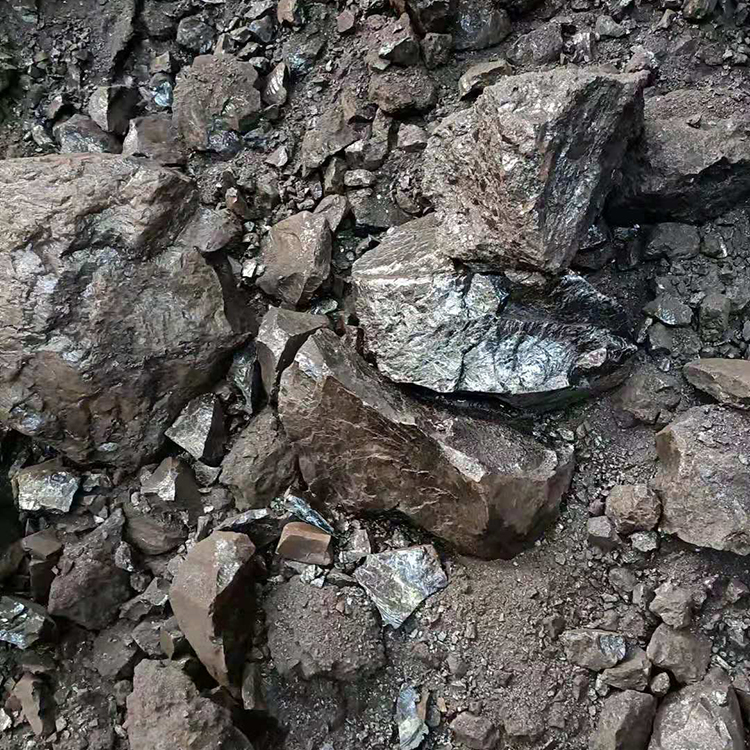
Coal-tar pitch is not a single, uniform product. It's available in various grades, each tailored to specific applications.
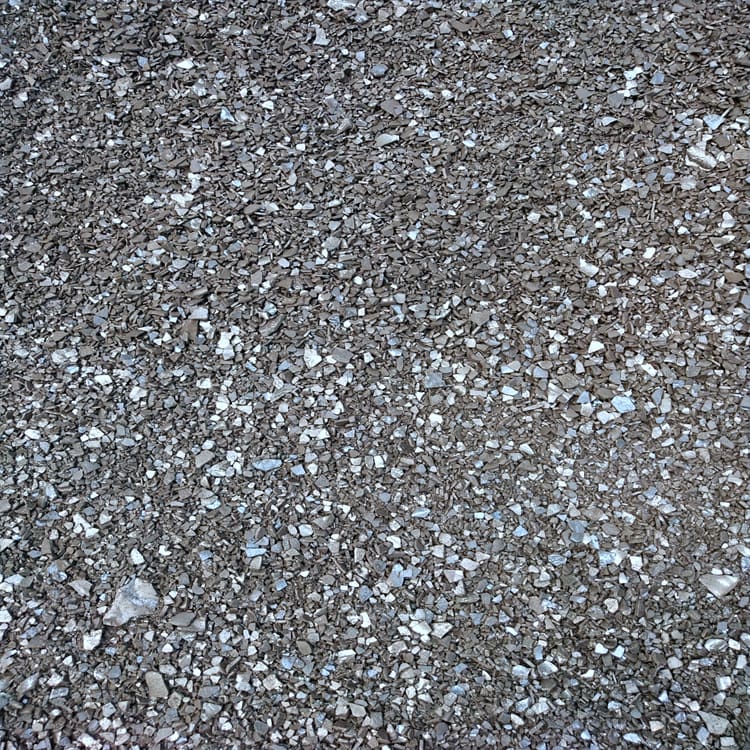
These grades are primarily differentiated by their softening point. High-temperature coal tar pitch has a higher softening point than medium-temperature asphalt or low-temperature pitch. The choice of grade depends on the application's temperature requirements. For example, aluminum smelting requires high-temperature pitch due to the extreme heat involved in the process, while road construction might use a medium or modified pitch. At FTY, we offer a range of products, including coal tar pitch flakes, to meet diverse industry needs.
What are the Health and Environmental Concerns Associated with Coal-Tar Pitch?
Coal-tar pitch, due to its PAH content, is classified as a carcinogen. Exposure to coal-tar pitch, particularly its volatiles (coal tar pitch volatiles), can pose health risks.
Google has not performed a legal analysis on the full health implications and makes no representation as to the complete accuracy of all associated risks. However, it is widely recognized that prolonged exposure to coal-tar pitch can lead to skin conditions, respiratory tract irritation, and an increased risk of certain cancers. Therefore, strict safety measures, including proper ventilation, personal protective equipment (PPE), and adherence to established safety protocols, are essential when handling coal-tar pitch. According to claim 1 of various safety regulations, workers should minimize dermal contact and inhalation of fumes. The environmental impact is also a concern, as PAHs can persist in the environment and contaminate soil and water. Responsible handling and disposal are crucial.
How Does the Global Market for Coal-Tar Pitch Look?
The global market for coal-tar pitch is closely tied to the industries it serves, particularly aluminum and steel production.
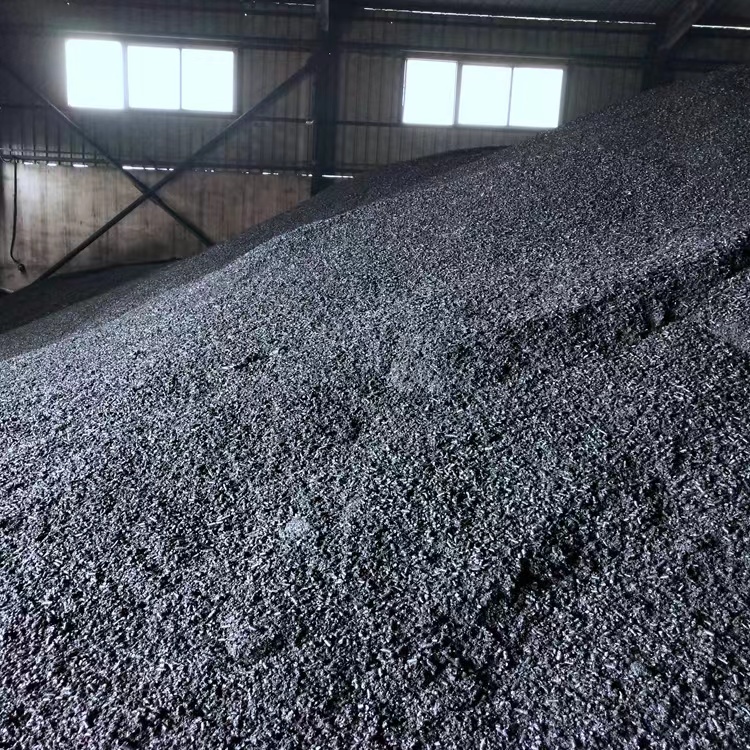
Demand for coal-tar pitch fluctuates with the growth of these industries. The Asia-Pacific region, particularly China, is a major producer and consumer of coal-tar pitch, driven by its large aluminum and steel industries. Other significant markets include North America and Europe. Factors influencing the market include raw material (coal) prices, economic growth, and technological advancements in the consuming industries. Companies like FTY, with multiple production lines, play a vital role in meeting global demand. You can review our main page: High Quality Coal Tar Pitch Factory and Supplier.
What are the Advantages of Sourcing Coal-Tar Pitch from China?
For procurement officers like Mark Thompson, sourcing coal-tar pitch from developing countries like China can offer several advantages:
- Competitive Pricing: Chinese manufacturers often offer competitive pricing due to lower production costs.
- Large Production Capacity: China has a substantial coal-tar pitch production capacity, ensuring a reliable supply.
- Variety of Grades: Chinese suppliers offer a wide range of coal-tar pitch grades to meet diverse needs.
- Established Export Infrastructure: China has well-developed export infrastructure, facilitating efficient logistics.
However, it's crucial to address concerns like quality control, certifications (ISO standards, environmental compliance), and communication. Choosing a reputable supplier with a proven track record, like FTY, can mitigate these risks. We at FTY are commited to clear, consistent communication, and offer complete certifications for all of our products, including items like our special asphalt for oilfield additives.
Key Takeaways: Coal Tar and Coal-Tar Pitch Essentials
- Coal tar is a byproduct of coal carbonization, while coal-tar pitch is the residue remaining after coal tar distillation.
- Coal-tar pitch is primarily composed of polycyclic aromatic hydrocarbons (PAHs).
- The properties of coal-tar pitch, such as softening point and viscosity, determine its suitability for various applications.
- Major applications include aluminum smelting, graphite electrode manufacturing, and road construction.
- Coal-tar pitch is available in different grades, categorized by softening point.
- Exposure to coal-tar pitch can pose health risks, necessitating strict safety measures.
- The global market for coal-tar pitch is driven by the aluminum and steel industries.
- Sourcing from China can offer competitive pricing and a reliable supply, but due diligence is essential.
- FTY is a reliable supplier of high-quality coal tar products, with a focus on quality, customer service, and international standards compliance.
- Always prioritize verified certifications and clear communication when dealing with international suppliers.
Post time: 03-10-2025