

If you walk onto a heavy industrial site, you might see piles of black, carbon-rich rocks. To the untrained eye, they all look identical. However, knowing the difference between these materials is the difference between a successful melt in a steel mill and a production disaster. In the world of energy and metallurgy, these black rocks are distinct commodities with unique chemical fingerprints. They are coal, coke, and petroleum coke. Understanding how they are made, their cost structures, and their specific uses is vital for procurement officers and plant managers alike. This guide breaks down the essential comparisons to help you navigate the market.
What is the Difference Between Coke and Coal?
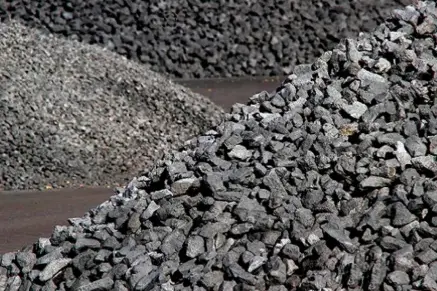
The relationship between coke and coal is similar to the relationship between bread and flour. Coal is a raw mineral mined from the earth. It is a fossil fuel composed of ancient plant matter that has been compressed over millions of years. While there are many types of coal, bituminous coal is the specific grade most often used in the manufacturing sector. It is full of impurities, moisture, and volatile components like tar and gas.
Coke, on the other hand, is a manufactured product. To create it, we take coal and put it through a destructive distillation process. The coal is loaded into massive ovens and heated to extreme temperatures (often over 1000°C) without any oxygen. This process, known as carbonization, bakes the coal. It forces out the volatile gas, water, and tar, leaving behind a hard, grey, porous material that is almost pure carbon. This high carbon substance is coke. The primary purpose of converting coal into coke is to create a fuel that burns with intense heat but very little smoke, which is crucial for the steel industry.
How is Petroleum Coke Produced from Crude Oil?
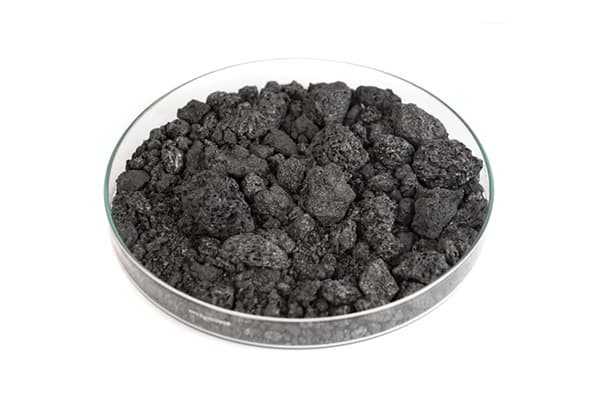
While coke comes from coal, petroleum coke (often called petcoke) has a completely different origin. Petroleum coke is a by-product of the crude oil refining process. When crude oil arrives at a refinery, it goes through distillation to separate valuable liquid products like gasoline, diesel, and jet fuel.
After these light fuels are boiled off, a heavy, thick residual oil remains at the bottom of the barrel. This residual oil is sent to a unit called a "coker." Here, the oil is heated to high thermal levels, causing the heavy hydrocarbon molecules to crack or break apart. This process yields more gas and liquid fuels, but it also leaves behind a solid, rock-like material. This solid is petcoke. Because it is derived from oil rather than a mined mineral, petcoke typically has higher heavy metal concentrations and a different chemical structure than coal-based coke.
Comparing the Characteristic Differences of Coal and Petroleum Coke
When deciding between coal and petroleum coke for fuel or manufacturing, you have to look at their characteristic properties. The most significant difference is the heating value. Generally, petcoke burns hotter than coal. It has a higher calorific value, meaning you get more energy per unit of weight. This makes it an incredibly efficient fuel for power generation and industrial kilns.
However, purity is a major factor. Coal usually contains a significant amount of ash—the non-combustible residue left after burning. Ash content in coal can range from 10% to 20% or more. In contrast, petcoke has a very low ash content, often less than 1%. This sounds great, but petcoke has its own downsides. It typically contains much higher levels of sulfur and heavy metal contaminants like vanadium and nickel compared to coal. These impurities can cause corrosion in boilers and require special handling to manage emission levels.
| Feature | Coal | Petroleum Coke (Petcoke) | Coke (Metallurgical) |
|---|---|---|---|
| Origin | Mined Mineral | Oil Refinery By-product | Manufactured from Coal |
| Carbon Content | Moderate (45-86%) | High (90%+) | Very High (90-95%) |
| Ash Content | High | Very Low | Moderate |
| Sulfur | Variable | Typically High | Low (after processing) |
| Primary Use | Power Generation | Fuel / Anodes | Steel / Iron Smelting |
The Industrial Uses of Coke and Petcoke
Because they have different properties, these materials are used for different purposes across the heavy industry sector. Coal is still the primary base load fuel for many power plants around the world due to its abundance. However, many facilities now blend coal and petroleum coke to increase efficiency.
Petroleum coke has a dual life. "Fuel grade" petcoke (high sulfur) is ground into a fine powder and used in cement kilns. The cement production process is unique because the limestone in the kiln reacts with the sulfur, effectively neutralizing it. This makes the cement industry a massive consumer of petcoke. On the other hand, "anode grade" petcoke (low sulfur/metal) is calcined and used to manufacture carbon anodes for the aluminum metal industry and graphite electrodes.
Coke made from coal is almost exclusively used in the metallurgical sector. In a blast furnace, coke serves three roles: it acts as a fuel to generate heat, a chemical reducing agent to convert iron ore into iron, and a permeable support structure for the burden inside the furnace. Coal cannot replace coke here because raw coal would crush under the weight and block the airflow.
Cost and Economic Factors in the Market
For a buyer, the choice often comes down to cost. Historically, petcoke has traded at a discount to coal on a heat-adjusted basis. Because petcoke is a by-product that refineries must get rid of to keep running, the supply is constant, which can depress the price. Coal prices are more linked to mining costs and global energy demand.
However, transportation costs play a huge role. Petcoke is produced in specific refinery hubs (like the US Gulf Coast or parts of China). If your plant is far from a refinery but near a coal mine, the logistics cost might make coal the cheaper option. Furthermore, because petcoke has a higher energy density, you can ship less material to generate the same amount of heat, which can help reduce freight bills. As demand for aluminum and steel rises, the price of high-quality coke and calcined petcoke tends to increase.
Environmental Impact and Emissions
The environmental footprint is the biggest challenge for both materials. The combustion of both coal and petcoke releases carbon dioxide, a greenhouse gas. However, the specific pollutants differ. Burning petcoke can release significantly more sulfur dioxide and nitrogen oxides than coal if not properly managed. This is why power plants burning petcoke must have advanced scrubbers to clean the smoke.
However, petcoke has an advantage regarding ash. Because it produces so little ash, there is less solid waste to dispose of in landfills compared to coal. In industries like cement, the high sulfur is chemically trapped in the product, preventing it from becoming an air contaminant. This makes petcoke a viable option in specific chemical environments. Companies are constantly looking for ways to make the process safer and more sustainable, often using additives like Asphalt powder or Ball pitch to tweak the combustion properties or binding capabilities in industrial applications.
Why Coke is Essential for Steel and Metal Production
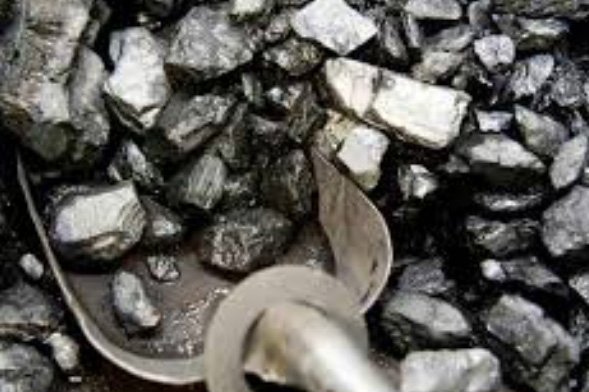
While petcoke can sometimes replace coal as a fuel, nothing can fully replace metallurgical coke in the blast furnace. The production of steel relies on the physical strength of coke. It must support tons of iron ore and lime without crumbling. Petcoke is generally too soft and dense for this specific purpose.
However, petcoke is the king of the aluminum world. To smelt aluminum, you need carbon anodes that conduct electricity. These are made from high-quality calcined petcoke and High temperature coal tar pitch. The electrical conductivity of calcined petcoke is superior, making it the standard material for electrode manufacturing. Additionally, in the production of synthetic graphite for electric arc furnaces, specialized needle coke (a premium type of petcoke) is required.
In summary, coal is the raw energy source, coke is the structural backbone of iron making, and petroleum coke is the versatile powerhouse for heat, aluminum, and cement. Each has its place in the industrial ecosystem. By understanding the coke vs petcoke dynamic, buyers can make smarter decisions that balance efficiency, cost, and product quality.
Key Takeaways
- Origin Matters: Coal is mined; Petroleum coke is a refinery by-product; Coke is manufactured from coal.
- Heat vs. Ash: Petcoke burns hotter with less ash than coal but often contains more sulfur.
- Steel vs. Aluminum: Coke is essential for steel blast furnaces; Petcoke is essential for aluminum anodes and graphite electrodes.
- Cost Efficiency: Petcoke is often cheaper per unit of heat, but environmental regulations regarding sulfur must be considered.
- Cement Industry: The cement industry is a major user of high-sulfur petcoke because the kiln process absorbs the sulfur.
Post time: 01-20-2026