

As a manufacturer of coal tar products for the global market, I’ve seen countless materials come and go. My name is Allen, and from my factory in China, I supply the core ingredients that build and protect infrastructure all over the world, including for discerning clients like Mark Thompson in the USA. Mark knows that to succeed, you need to trust your materials. When it comes to protecting a building, few materials have the long-standing, proven track record of coal tar pitch for roofing. This guide is for business owners and procurement officers who need to understand not just what roofing tar is, but why it remains a top-tier choice for a durable, waterproof roof. We'll explore its properties, compare it to asphalt, and give you the knowledge you need to make an informed decision for your projects.
What Is Coal Tar and How Is It Used for a Roof?
At its core, coal tar is a thick, dark liquid that is a byproduct of coal processing. When coal is heated in an oxygen-starved environment to produce coke (a key material for steelmaking), the volatile gases are collected and condensed to create coal tar. This raw substance is then refined to produce various products, including coal tar pitch, the key ingredient in roofing tar. For centuries, this material has been recognized for its incredible water-resistant and preservative properties. It's a time-tested technology that modern chemistry has refined but not replaced.
When used on a roof, coal tar acts as a robust sealant and adhesive. It’s the binder in a multi-layered system, holding together reinforcing fabrics and creating a monolithic, seamless membrane over the entire roof surface. This tar is a thick, powerful substance that can seal small cracks and create a continuous waterproof barrier that is second to none. Its primary job is simple but critical: keep water out of the building. The unique composition of coal tar allows it to withstand some of the harshest environmental conditions, making it a go-to choice for protecting valuable commercial assets.
Coal Tar vs. Asphalt: Which is the Better Roofing Material?
This is a common question, as both coal tar and asphalt are black, sticky materials used to waterproof a roof. Both are types of bitumen, but they originate from different sources—coal tar from coal, and asphalt from the refining of petroleum oil. While they look similar, their chemical properties lead to significant differences in performance, especially on a roof. Asphalt is a fantastic roofing material, but coal tar has unique advantages in certain situations.
The primary difference lies in their molecular structure. Coal tar is what’s known as an aromatic hydrocarbon, while asphalt is aliphatic. In simple terms, this makes coal tar inherently more resistant to oil, grease, and many industrial chemicals. It is also naturally more resistant to UV ray degradation from the sun. Asphalt, on the other hand, can soften when exposed to oils and may require more frequent application of a protective coating to shield it from uv rays. For a roof on a restaurant with greasy exhaust vents or an industrial facility with chemical fumes, coal tar provides superior, long-lasting protection.
Here's a quick comparison:
| Property | Coal Tar Pitch | Asphalt (Bitumen) |
|---|---|---|
| Origin | Byproduct of coal coking | Byproduct of petroleum refining |
| Water Resistance | Excellent; can withstand pooling water | Good, but can degrade with pooling |
| UV Resistance | Excellent; self-healing properties | Good, but often requires a protective coating |
| Chemical Resistance | Superior resistance to oils, fuels, and solvents | Vulnerable to petroleum-based substances |
| Flexibility | Less flexible in cold weather | Generally more flexible than coal tar |
| Installation | Requires skilled labor due to fumes and temperature | Widely understood and practiced |
Why Is Coal Tar Pitch So Effective as a Waterproof Roof Coating?
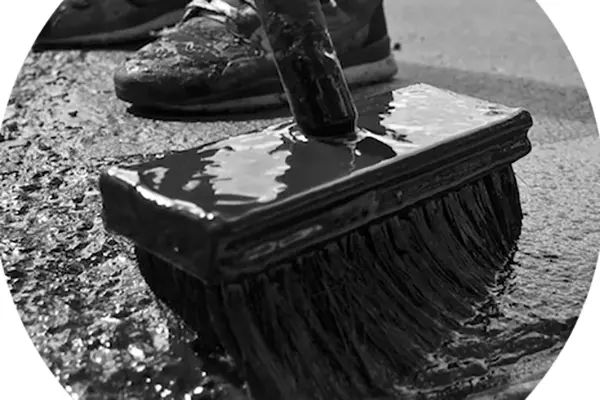
The primary job of any roof is to be waterproof, and this is where coal tar pitch truly excels. Its effectiveness comes from a combination of its inherent properties. First, its composition is naturally hydrophobic, meaning it repels water at a molecular level. Unlike some materials that simply block water, coal tar actively pushes it away. This creates an incredibly effective waterproof seal that can last for decades. This unique property is why it has been a trusted roofing material for generations.
Second, coal tar has a "cold flow" or self-healing capability. If a small crack or puncture develops on the roof surface, the coal tar will slowly flow over time, especially when warmed by the sun, to reseal the damaged area. This is a remarkable feature that helps the roof self-repair minor damage from dropped tools, hail, or foot traffic, preventing a small issue from turning into a major leak. This self-healing nature reduces the need for constant minor repair and provides building owners with long-term peace of mind.
How Durable Is a Coal Tar Roof System?
Durability is a hallmark of a properly installed coal tar roof. These roofing systems are known for their exceptional longevity, often lasting 30 years or more with proper maintenance. This long lifespan is due to the material's ability to resist the main enemies of a roof: water, sunlight, and chemical attack. Because it doesn't oxidize or break down easily under uv rays, the protective layer remains intact and effective for a very long-term period.
The system's durability is also enhanced by its multi-layered construction. It's not just a single coating of tar; it's a built-up roof (BUR) system with alternating layers of coal tar pitch and reinforcing fabrics like polyester or fiberglass. This creates a thick, robust membrane that is highly resistant to puncture and tearing. The final layer of gravel or a mineral cap sheet adds another level of defense, protecting the underlying layers from direct impact and weather. This layered approach ensures the roof can withstand heavy rainfall, foot traffic, and other physical stresses for decades.
What Goes into Building a Multi-Layered Coal Tar Roof?
A coal tar roof isn't simply painted on; it's a meticulously constructed system. The installation is a critical factor in its performance and must be handled by an experienced contractor. The process typically involves building up several layers to create a strong, waterproof membrane. It all starts with a clean, dry roof deck.
The typical layers of a built-up coal tar roof include:
- Base Sheet: A foundational layer is attached to the roof deck to provide an initial water-resistant base and a stable surface for the subsequent layers.
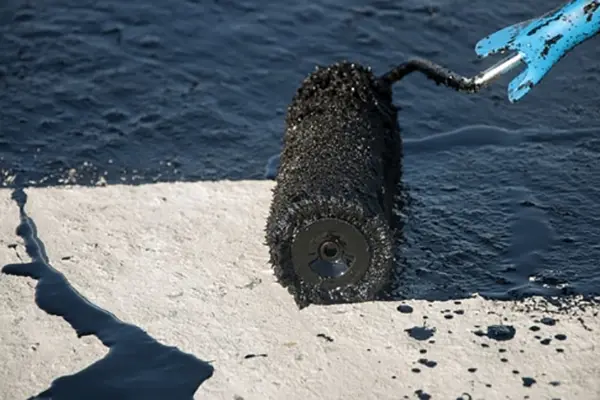
- Layers of Coal Tar Pitch and Felt: This is the core of the system. A layer of hot-mopped coal tar is applied, followed immediately by a layer of reinforcing felt (a heavy, flexible sheet of fibers). This process is repeated several times (typically 3-5 plies) to build up thickness and strength. The coal tar acts as the adhesive and the waterproof agent, while the felt provides tensile strength.
- Flood Coat: Once the layers are complete, a final, thicker flood coating of coal tar pitch is applied over the entire surface. This top coat acts as the primary barrier and holds the surfacing material in place.
- Surfacing: To protect the black tar products from direct sun and mechanical damage, a layer of aggregate, such as gravel or slag, is embedded into the hot flood coat. This surfacing reflects sunlight, provides fire resistance, and protects the membrane from foot traffic and dropped objects.
What Kind of Maintenance Does a Coal Tar Roof Require?
While a coal tar roof is exceptionally durable, no roof is truly "maintenance-free." Regular inspections and proactive maintenance are key to maximizing its long lifespan and ensuring it continues to protect the building effectively. The good news is that the maintenance required is typically minimal and straightforward. It's about being proactive to prevent a small issue from becoming a large, expensive repair.
Maintenance for a coal tar roof should include semi-annual inspections, typically in the spring and fall. During these checks, a professional should look for things like clogged drains, accumulated debris like leaves and branches, and any signs of damage to the surface from a severe storm. Proper drainage is critical for any roof. Any areas where the gravel surfacing has been displaced should be addressed to ensure the underlying membrane remains protected. If a leak does occur, the repair is often straightforward, involving cleaning the area and applying new layers of coal tar and fabric to seal the damage.
What Types of Roofs Benefit Most from Roofing Tar?
Coal tar roofing systems are specifically designed for flat or low-slope roofs. These are the types of roofs most commonly found on commercial buildings, industrial facilities, and large institutional buildings. Why? Because flat roofs don't shed water as quickly as a steep, pitched shingle roof. Water can pool or "pond" on the surface after heavy rainfall, creating a constant hydrostatic pressure.
This is a scenario where many roofing material options might fail over time, as standing water can find its way through tiny imperfections and break down the material. However, this is where coal tar excels. Due to its chemical nature, coal tar pitch is highly resistant to the degrading effects of standing water, making it the ideal solution for flat roofs. For commercial properties where a roof leak can damage expensive inventory or disrupt operations, the superior waterproof protection of roofing tar is a wise investment.
Addressing the Environmental and Safety Aspects of Coal Tar Products.
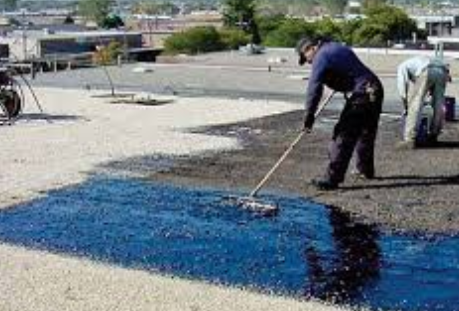
It's important to acknowledge the environmental and safety considerations associated with coal tar. As a byproduct of coal processing, it contains compounds that require careful handling. During installation, the hot-mopped coal tar releases a distinct fume. For this reason, installation must be performed by trained professionals who use appropriate personal protective equipment (PPE) and follow strict safety protocols to manage fume exposure.
From an environmental standpoint, modern regulations govern the manufacture and application of tar products. Once the coal tar has cooled and set—a process called the cure—it becomes an inert, stable solid. It effectively locks the chemical compounds in place, creating a safe and extremely effective waterproof barrier for the roof. The key is responsible handling during application and choosing a product from a manufacturer who adheres to international quality and safety standards.
Why the Quality of Your Raw Tar Products Dictates Roof Performance.
As a manufacturer, I can tell you unequivocally that not all coal tar pitch is created equal. The performance of the final roof is directly tied to the quality of the raw materials used. A high-quality pitch will have the right softening point, a consistent viscosity, and low levels of impurities. This ensures strong adhesion between layers, proper flow during application, and ultimate longevity.
Using a subpar roofing material can lead to a host of problems, from premature cracking in cold weather to a weak membrane that is easily punctured. This is why it’s critical for businesses that buy or specify these materials to partner with a reputable source. A supplier who can provide consistent, high-grade coal tar products is essential for building a roof that will deliver reliable, long-term protection. The quality of the tar products is the foundation upon which a durable roof is built.
Finding a Reliable Partner for Your Coal Tar and Asphalt Needs.
For businesses involved in roofing services or material distribution, choosing the right supplier is a critical business decision. You need a partner who not only provides a quality product but also understands your needs for reliability and clear communication. A good supplier acts as an extension of your team, ensuring you get the materials you need, when you need them.
Whether your project calls for the superior chemical resistance of coal tar or the flexibility of Modified asphalt, partnering with an experienced manufacturer provides a significant advantage. A factory with a long history of production, like ours, has the expertise to deliver consistent quality and navigate the complexities of international logistics. As a High Quality Coal Tar Pitch Factory and Supplier, we are committed to providing the robust materials that protect our clients' most valuable assets.
Key Takeaways to Remember
- Superior Waterproofing: Coal tar is exceptionally waterproof and is the best choice for flat or low-slope roofs where water may pond.
- Self-Healing Properties: It has a unique ability to self-seal minor cracks and punctures, reducing the need for frequent repair.
- Excellent Durability: A properly installed coal tar roof is highly resistant to UV rays, chemicals, and oils, and can last for 30 years or more.
- It's a System: A coal tar roof is a multi-layered system built with alternating layers of pitch and reinforcing felts for maximum strength.
- Quality Matters: The performance and longevity of the roof depend directly on the quality of the raw coal tar pitch used in its construction.
Post time: 12-16-2025