
Welcome to a comprehensive deep dive into the industry. Today, we unpack the latest data on the coal tar pitch market. We will explore its vast forecast, analyze the shifting market size, and uncover how environmental regulations are reshaping the coal tar market. You will also discover the critical role of carbon and graphite electrode production. Additionally, we provide a robust industry analysis covering regulatory frameworks, binder pitch advancements, and the burgeoning opportunities across the Middle East and Africa. Understanding the exact coal tar pitch market size and coal tar market size is essential for procurement leaders to maintain strong, cost-effective supply chains.
What is driving the coal tar pitch market size and forecast in aluminum smelting?
The global demand for lightweight metals is surging. As a result, aluminum smelting operations are running at full capacity. This intense activity directly fuels the need for high-quality binders. You cannot produce aluminum without carbon anodes, and you cannot make carbon anodes without reliable binders. The size and forecast of this sector depend heavily on how fast the aluminum industry expands.
Let's look at the numbers. The global market was valued at usd several billion dollars recently. Experts suggest that the market size and forecast will follow a strong upward trajectory. The cagr (Compound Annual Growth Rate) is impressive. Why? Because the aluminum and steel industries are hungry for raw materials. Specifically, aluminum-grade pitch dominated the market last year, proving its vital role.
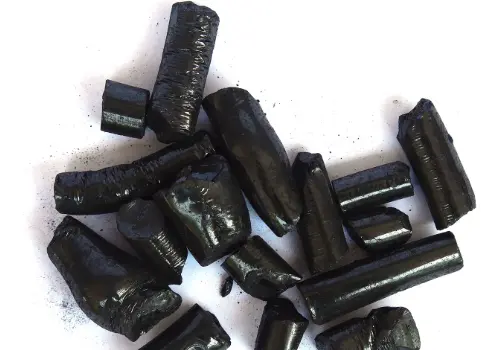
When procurement managers source materials, they look at the forecast. They need stability. The global market for these binders is massive. We see that the overall coal tar pitch market size is expanding because emerging economies are building new infrastructure. If you are buying in bulk, tracking the forecast helps you lock in prices before peak seasons hit.
How do market dynamics impact the coal tar market and competitive landscape?
Understanding the market dynamics is crucial for anyone managing a large-scale supply chain. The competitive landscape is fiercely contested. Major players, including companies like Himadri Speciality Chemical Ltd, are constantly upgrading their facilities. They want to capture a larger market share. This competition is good news for buyers. It drives innovation and stabilizes pricing across the coal tar market.
However, the supply chain is sensitive. Fluctuations in raw coal prices can ripple down to the final product. Procurement teams must stay alert. A strong supply chain ensures you get consistent material, avoiding those dreaded yellow or off-spec batches that ruin production runs. The market growth depends on these stable logistics.
To secure the best deals, you must understand the global coal tar pitch market. Knowing which pitch producers have the capacity to deliver full container loads on time is half the battle. In this key market, securing long-term contracts based on a solid market forecast protects your profit margins from unexpected shocks.
Will environmental regulations and regulatory changes reshape pitch in industrial applications?
Yes, absolutely. Environmental regulations are changing how factories operate worldwide. Using pitch in industrial applications requires high purity and careful handling. The main concern revolves around polycyclic aromatic hydrocarbon (PAH) emissions. Polycyclic aromatic compounds are naturally occurring in these materials, but strict rules control how we use them.
Because stringent environmental regulations enforce cleaner production, suppliers are forced to adapt. Older, dirtier methods of coal tar distillation are being phased out. Now, regulatory bodies demand advanced scrubbing and capturing technologies. These stringent environmental policies mean that only the most compliant factories survive.
What does this mean for your pricing? Compliance costs money. Strict regulations on coal tar alter supply lines. However, it also guarantees a safer, higher-quality product. The properties of coal tar pitch must meet exact specifications to pass modern environmental audits. This shift ensures that the material you buy today is cleaner and more consistent than a decade ago.
What is the coal tar pitch market regional and tar pitch market regional outlook?
Geography matters. Looking at the coal tar pitch market regional breakdown reveals fascinating trends. Asia holds the largest share of the market, driven by massive manufacturing hubs. China, in particular, is the largest coal tar pitch consumer. But we cannot ignore other emerging areas.
The tar pitch market regional outlook highlights the Middle East and Africa as a hotspot. As nations in these regions invest in infrastructure and metal smelting, their demand skyrockets. Each regional market behaves differently. Some prioritize low costs, while others demand premium aluminum-grade pitch.
Currently, the tar pitch market is projected to expand significantly in these developing zones. Furthermore, the tar pitch market is expected to stabilize in mature markets like Europe and North America, focusing more on high-tech applications. Tracking these regional shifts helps procurement managers decide where to source their next bulk order.
How does graphite electrode and carbon production drive the coal tar?
Let's discuss the electric revolution. The rise of the electric vehicle has sent shockwaves through the supply chain. To build an electric vehicle, you need vast amounts of advanced materials. This includes high-grade carbon. Producing these materials requires electrode manufacturing on an unprecedented scale.
Here is the connection: graphite electrode manufacturing requires premium binders. This demand directly drive the coal tar industry forward. The graphite electrode acts as a conductor in electric arc furnaces, which are essential for modern steel production. Without a stable supply of binders, these furnaces go cold.
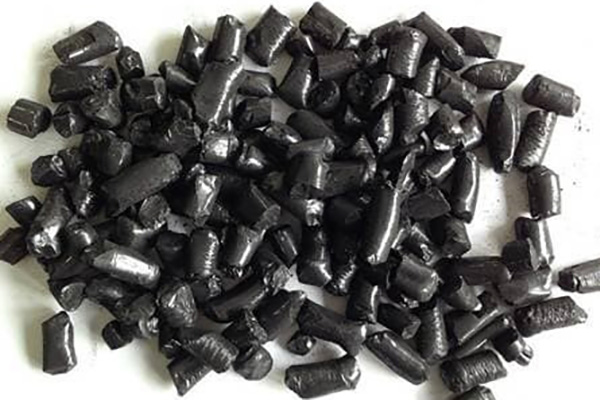
This intense need drives market expansion. As the growing demand for clean steel and EV batteries rises, so does the demand for the raw materials that bind them. The coal tar pitch market exhibits strong resilience because it is tied to these future-proof industries. We see massive potential in sourcing high temperature coal tar for these specific high-heat applications.
What market trend and market opportunities are defining the forecast period?
The industry is never static. A dominant market trend right now is the shift toward highly refined, customized products. Buyers no longer want generic materials; they want specifications tailored to their exact machinery. We see massive market opportunities in creating specialized blends that reduce fumes and improve binding strength.
During the current forecast period, the annual growth rate remains steady. The global market is projected to grow rapidly as these new technologies come online. We expect strong growth during the forecast period as infrastructure projects worldwide secure their funding.
According to a recent market research report, sustainability is becoming a core focus. The production of coal tar pitch involves extreme heat, but modern pitch processing reduces waste. These efficiency gains represent significant market opportunities for suppliers who can keep their overhead low while maintaining batch-to-batch consistency.
What does market research reveal about the demand for coal tar pitch?
Data is power. Our latest market research indicates a fascinating shift. The demand for coal tar pitch is no longer just about volume; it is about precision. Procurement managers are scrutinizing the market size and forecast to predict when shortages might occur. They know that a sudden spike in market demand can lead to price gouging.
Our analysis of the global coal tar landscape shows that production capacities are tight. The wide use of coal tar spans many sectors, creating competition for the raw resource. The coal tar pitch production cycle is complex, and any disruption—from weather to regulatory shutdowns—can cause ripples.
To combat this, buyers are exploring different grades. Some are testing medium temperature coal tar blocks for specific applications where extreme heat isn't required. By understanding the data behind the demand for coal tar, buyers can pivot their sourcing strategies to maintain their profit margins.
The competitive landscape of the market is shifting rapidly. Decades ago, a few massive conglomerates controlled everything. Today, agile, technologically advanced suppliers are securing a large share of the market. These nimble companies offer better customer service and stricter quality controls.
Focusing on long-term growth ensures stability for both buyers and sellers. We see immense growth opportunities in forming strategic partnerships. Instead of buying purely on the spot market, savvy procurement teams are locking in long-term contracts. This guarantees supply even when the coal tar market remains volatile.
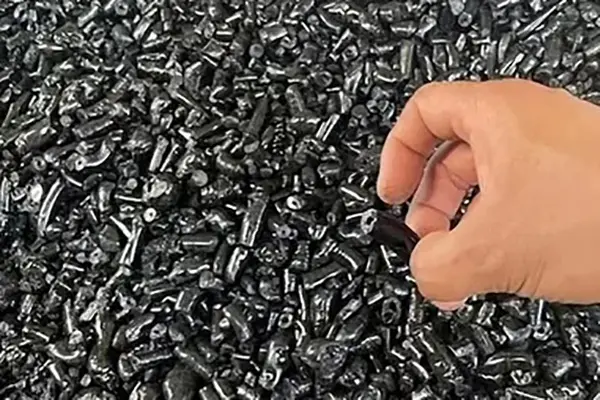
By leveraging coal tar pitch flakes and other innovative form factors, suppliers can reduce shipping weights and improve melting times at the factory level. These small innovations create massive growth opportunities by reducing overall operational costs.
Is the demand for coal tar and coal tar market size linked to new industrial applications?
Absolutely. The overall coal tar market size dictates pricing, and this size is growing because of new uses. The demand for coal tar is expanding beyond traditional smelting. We are seeing it used in advanced composites, aerospace materials, and specialized coatings.
The chemical properties of coal tar make it unique. It offers unmatched weather resistance and binding strength. These chemicals are derived from coal tar, creating a secondary market for specialized pigments and resins. We prefer coal tar-based solutions when we need materials to survive in harsh, corrosive environments.
The direct use of coal tar pitch saves money when formulated correctly for these industrial applications. Global consumption of coal tar keeps rising because engineers keep finding new ways to exploit its natural durability. From roofing to advanced plastics, the versatility is unmatched.
Why is the coal tar pitch market size market analysis critical for buyers, and what market is experiencing rapid growth?
You cannot fly blind. A deep market analysis provides deep insights into future pricing. The overall coal tar pitch market size tells you if the industry is expanding or shrinking. Currently, the market is experiencing unprecedented growth, particularly in the battery and EV sectors.
Factors impacting the coal tar pitch supply chain include geopolitical tensions, energy costs, and shipping logistics. By understanding how the market has been segmented, a buyer can target exactly the right supplier. For instance, the smelting process relies on coal tar pitch heavily, but the grade required is vastly different from that used in roofing.
The global tar pitch market was valued at billions, and in 2023, the market was valued highly. Specifically, the market was valued at usd 3.8 billion in several key reports. Clearly, coal tar pitch plays a vital role. The physical properties of coal tar pitch include high viscosity, which is used in the production of electrodes. Sometimes low temperature coal tar is preferred, but for heavy industrial use, binder pitch is king.
Handling coal tar and its derivatives takes care. Factories using coal tar pitch must ventilate well. Unquestionably, tar pitch is a critical raw material. Ultimately, coal tar pitch serves as the ultimate binder. The market is expected to bounce back stronger from any global downturns. Our industry analysis proves that investing time in understanding this market yields massive cost savings.
Key Takeaways for Procurement Managers
- Monitor the Forecast: The coal tar pitch market and overall coal tar market are projected to grow steadily; use the forecast to lock in long-term pricing.
- Understand Market Size: Track the market size and coal tar pitch market size to anticipate supply bottlenecks and peak market demand.
- Stay Compliant: Environmental regulations and regulatory shifts regarding polycyclic aromatic hydrocarbon emissions will impact the supply chain.
- Watch the EV Sector: The boom in electric vehicle production is driving massive demand for graphite electrode and carbon materials.
- Regional Shifts: Keep an eye on the Middle East and Africa as they represent significant new growth opportunities.
- Demand Consistency: Ensure your pitch producers can maintain batch-to-batch consistency, whether you are buying aluminum-grade pitch or ball pitch.
- Leverage Market Research: Use a robust market analysis and market research report to guide your long-term growth strategies.
Post time: 04-08-2026