
As someone who has spent years managing production lines for calcined petroleum coke right here in China, I've had a front-row seat to the global ebb and flow of this critical industrial material. My name is Allen, and my factory supplies essential carbon products to businesses across the globe, from the USA to Europe. I often speak with procurement officers like Mark Thompson, who are sharp, decisive, and always looking for high-quality materials at a competitive price. They need to understand the market's pulse—not just the current price, but the underlying trends, the forecast, and the key drivers shaping the future outlook. This article is for them. We'll break down the calcined petroleum coke market size, explore the relationship between green petroleum coke and its calcined counterpart, and provide the insights you need to navigate this dynamic industry in the coming years.
What is Calcined Petroleum Coke (CPC) vs. Green Petroleum Coke (GPC)?
Before we dive into the numbers and trends, it's crucial to understand the two main characters in this story: green petroleum coke (GPC) and calcined petroleum coke (CPC). Think of GPC as the raw material. It is a carbon-rich solid byproduct that comes directly from the coker unit of a crude oil refinery. It's called "green" not because of its color (it's black), but because it hasn't been processed further. It still contains a significant amount of residual hydrocarbons and moisture, making it unsuitable for most high-purity applications.
To create the high-value product, this green petroleum coke must undergo a high-temperature transformation in a rotary kiln. This process is called calcining. We heat the GPC to temperatures exceeding 1300°C (about 2400°F). This intense heat burns off the volatile matter, removes moisture, and densifies the material, significantly increasing its carbon content and electrical conductivity. The final product is calcined petroleum coke—a hard, stable, and highly pure form of carbon that is essential for industries like aluminum and steel. In short, GPC is the raw input, and CPC is the refined, high-performance output.
What is the Current Calcined Petroleum Coke Market Size and Forecast?
Now for the big question: how big is this market? The global calcined petroleum coke market size is substantial and poised for steady expansion. According to a recent market report by Fortune Business Insights, the market size was valued at USD 27.56 billion in 2023. Looking ahead, the market is expected to experience healthy market growth, with projections showing the market size reaching USD 44.25 billion by 2032.
This represents a compound annual growth rate (CAGR) of 5.4% during the forecast period (2024-2032). This consistent growth during the forecast period is a strong indicator of the material's enduring importance in global heavy industry. The forecast underscores a resilient demand, primarily fueled by the ever-growing aluminum production and a stable steel industry. As we look at the market size and forecast, it's clear that the demand for calcined petroleum coke is not just stable; it's on a reliable upward trajectory. The calcined petroleum coke market size is a direct reflection of global industrial health.
What are the Primary Market Drivers Boosting Demand for Calcined Petcoke?
The steady market growth of calcined petroleum coke isn't happening in a vacuum. It's being pushed forward by powerful global forces. The single most significant driver is the relentless demand for aluminum. From beverage cans and car parts to aircraft and construction materials, aluminum is everywhere. The process used to create it, aluminum smelting, absolutely requires high-purity carbon anodes, and calcined petroleum coke is the primary raw material for these anodes. As emerging economies continue to urbanize and industrialize, their appetite for aluminum grows, directly fueling the demand for calcined petcoke.
The second major driver is the steel industry. Calcined petroleum coke is used as a recarburizing agent to increase the carbon content in steel production. Furthermore, a specialized, high-value form called needle coke is essential for manufacturing the graphite electrodes used in electric arc furnaces (furnace), which are becoming more common for steel recycling. This dual role in both the aluminum and steel sectors gives the calcined petcoke market a broad and stable foundation for significant growth. These two industries are the pillars supporting the entire market size.
How Does the Aluminum Industry Shape the Calcined Petcoke Market?
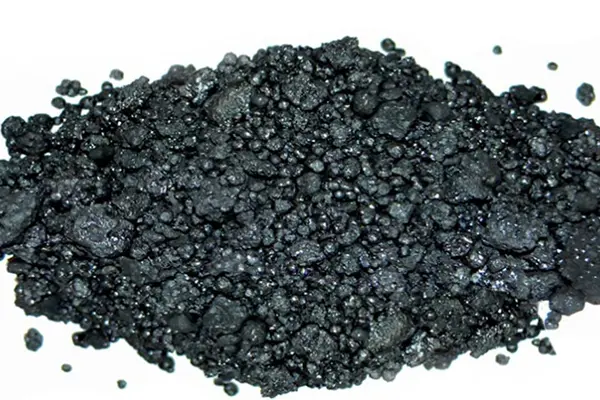
To truly grasp the market dynamics, you must understand the deep connection between calcined petroleum coke and the aluminum industries. The vast majority—around 70-80%—of all CPC produced globally is consumed by aluminum smelters. The primary aluminum production process, known as the Hall–Héroult process, involves running a powerful electric current through a molten bath of alumina. This current is delivered via large carbon blocks called anodes.
These anodes are made almost entirely from high-quality calcined petroleum coke. During the smelting process, the carbon anode is consumed, releasing the oxygen from the alumina and leaving behind pure liquid aluminum. For every ton of aluminum produced, roughly 0.4 tons of carbon anode is used up. This makes calcined petroleum coke a consumable, not a piece of equipment. Consequently, as long as the world needs new aluminum, the demand for calcined coke will remain strong and consistent, making it the most critical factor in the calcined petcoke market's health and market size.
What Role Does the Steel Industry Play in Market Growth?
While the aluminum sector is the largest consumer, the steel industry provides a crucial and growing secondary market for calcined petroleum coke, contributing significantly to its market growth. The primary use of calcined petroleum coke in this sector is as a carbon additive, or recarburizer. During steelmaking, producers must precisely control the carbon content of the final product to achieve desired properties like strength and hardness. CPC, with its high purity and low levels of sulfur and ash, is an ideal material for this purpose. It allows for clean and efficient carbon addition in the furnace.
Moreover, the rise of electric arc furnace (EAF) steelmaking, which focuses on recycling scrap steel, has boosted the demand for graphite electrodes. These massive electrodes, which can weigh several tons, are used to melt the scrap metal. The primary raw material for these high-performance electrodes is needle coke, a premium grade of calcined petroleum coke. As the global push for recycling and more sustainable steel production grows, the EAF method is gaining market share, which in turn drives the demand for needle coke, adding another layer of stability to the overall calcined petroleum coke industry.
What are the Key Market Trends and Recent Developments?
The calcined petroleum coke market is not static; it's continually evolving. One of the most significant market trends we're seeing from our factory floor is a "flight to quality." End-users, particularly in the aluminum industries, are increasingly demanding higher-grade calcined coke with very low sulfur and metal content. Why? Because higher-purity CPC leads to more efficient smelting, lower energy consumption, and reduced emission levels, which is critical in a world with tightening environmental regulations. This trend favors producers who can source high-quality green petroleum coke and have advanced calcining technology.
Another recent development is the growing focus on supply chain stability. Fluctuations in crude oil price and geopolitical events can impact the supply of GPC, prompting major consumers to seek long-term partnerships with reliable suppliers. We are also seeing more investment in technologies that can process a wider range of green petroleum coke types, including lower-quality coke produced from heavier crude oil. These innovations are key to ensuring the market's growth remains stable during the forecast period. This focus on efficiency and stability is a core part of the calcined petroleum coke market insights.
How is the Calcined Petroleum Coke Market Segmented?
Understanding the market segmentation helps clarify where different types of CPC are used. The market can be broken down in a few key ways:
By Coke Type:
- Sponge Coke: This is the most common type, characterized by its porous structure. It is the workhorse of the aluminum industries for anode production.
- Needle Coke: A premium, crystalline form of calcined petroleum coke with excellent electrical conductivity and thermal resistance. Its primary use is in the manufacturing of graphite electrodes for the steel industry.
- Shot Coke: A lower-quality type with a spherical, pellet-like shape. It has fewer applications due to its physical properties but can be used in the cement industry as a fuel or in specific blending applications.
By Application:
- Aluminum Smelting: The dominant market sector, consuming the majority of sponge coke used for anode production.
- Steel and Foundry: A significant segment using calcined coke for recarburizing and needle coke for electrode manufacturing.
- Titanium Dioxide: CPC is used as a reducing agent in the production of TiO₂, a white pigment used in paints, plastics, and paper.
- Chemical Industry: Used in the production of various chemicals and as a fuel source.
This market segmentation shows the diverse roles calcined petroleum coke plays in the global economy.
What Challenges Influence the Market Dynamics of Calcined Coke?
Despite the positive forecast, the calcined petcoke market faces several challenges that influence the market dynamics. The most significant is the volatility of the raw material supply. Green petroleum coke is a byproduct of oil refining, so its supply and quality are tied to the type of crude oil being processed and the operational priorities of refineries. A shift in global crude oil markets can directly impact the availability and price of GPC, which in turn affects the calcined petroleum coke market.
Environmental regulations are another major factor. The calcining process itself produces emissions, and governments worldwide are imposing stricter limits on pollutants like sulfur dioxide (SO₂). This pushes producers to invest in expensive scrubber technology and source low-sulfur green petroleum coke, which can increase coke production costs. These environmental pressures are a key part of the market dynamics and present both challenges and opportunities for market growth for those who can adapt.
What is the Future Outlook for the Global Green Petroleum Coke Market?
The future outlook for calcined petroleum coke is intrinsically linked to the global green petroleum coke market. As the source material, the size of the green petroleum coke market and its quality characteristics set the stage for the entire downstream industry. A major trend is the global shift in oil refining. As many developed countries move towards lighter, sweeter crude oil, the production of high-quality, low-sulfur green petroleum coke suitable for calcining may become more concentrated in specific regions.
This puts a premium on high-quality green petroleum coke. The green petroleum coke market is witnessing a bifurcation, where low-sulfur GPC commands a higher price and is sought after for CPC production, while high-sulfur GPC is relegated to use as fuel in the cement industry. Sourcing strategy for green petroleum coke is becoming a critical competitive advantage for CPC producers. The health and market size of the calcined petroleum coke sector will depend heavily on securing stable, long-term supplies of the right quality of GPC.
For buyers like Mark, navigating this market means finding a partner, not just a seller. The pain points are real: communication barriers, shipment delays, and concerns over quality. From my perspective as a factory manager, here is what you should look for in a supplier of calcined petroleum coke.
First, seek expertise and transparency. A reliable supplier should understand the technical specifications you need for your application, whether it's for aluminum smelting or steel production. Ask for detailed specification sheets and third-party analysis reports. Second, prioritize communication. In a B2B relationship, clarity is key. A supplier with an experienced export team that can provide timely updates on production and shipping is invaluable. Finally, look for a proven track record. An established factory with multiple production lines, like ours, has the experience to manage complex international logistics and ensure consistent quality. While price is important, a supplier who helps you avoid delays and guarantees a high-quality calcined product like our Asphalt powder provides far greater value in the long run. Building a relationship with a trustworthy High Quality Coal Tar Pitch Factory and Supplier is the best way to secure your supply chain.
Key Takeaways to Remember
- Strong Growth Ahead: The calcined petroleum coke market size is projected to grow at a healthy CAGR of 5.4%, driven by strong demand from the aluminum and steel industries.
- Aluminum is King: The aluminum industry is the primary consumer of CPC, using it to make the carbon anodes essential for smelting.
- Quality is a Key Trend: There is a growing demand for higher-purity, low-sulfur calcined petroleum coke to improve efficiency and meet environmental standards.
- Raw Material is Crucial: The supply and quality of green petroleum coke are the biggest factors influencing the market's stability and price.
- Choose Your Supplier Wisely: When sourcing calcined coke, look for a reliable partner with proven expertise, excellent communication, and a commitment to quality to ensure a stable supply chain.
Post time: 11-11-2025