

In my years as a supplier of industrial materials, I've noticed one thing consistently causes confusion for even seasoned professionals: the terms bitumen, tar, and asphalt. People often use them interchangeably, but for someone like my client, Mark Thompson, who sources materials for major infrastructure projects, knowing the precise difference is critical. It impacts cost, performance, safety, and the ultimate success of a project. Are you mixing bitumen with stone, or is it tar? And is that final product called asphalt? The answer is more than just semantics. This article will demystify these terms once and for all. We will explore the origins, chemical makeup, and modern applications of each, giving you the clarity you need to source the right materials and speak with authority in the world of road construction and industrial coatings.
What Exactly is Bitumen? The Sticky Binder from Crude Oil
Let's start with the foundation of modern paving: bitumen. Bitumen is a black, sticky, and highly viscous liquid or semi-solid form of petroleum. Think of it as the heavy, dense residue left over after the lighter fractions of crude oil (like gasoline, diesel, and kerosene) have been boiled off during the refining process. It is a naturally occurring substance and can be found in deposits like bitumen from lakes (pitch lakes), but the vast majority used today is a by-product of crude oil refining.
The process to produce bitumen is called fractional distillation. In a refinery, crude oil is heated to very high temperatures, causing it to separate into different components based on their boiling points. The heaviest material that doesn't boil off, known as the vacuum bottom, is processed to create bitumen. Its primary characteristics are its exceptional adhesive and waterproofing properties. It is this natural stickiness that makes it the perfect binder. When heated, bitumen becomes a workable liquid, but as it cools, it returns to a more solid state, firmly holding everything it's mixed with together. This is the simple yet brilliant property that makes it indispensable for road construction and waterproofing.
What is Tar and Where Does it Come From? A Product of Distillation
Now let's turn to tar. While it may look similar to bitumen—both are dark, thick liquids—its origin is completely different. Tar is not derived from petroleum. Instead, tar is a thick, dark black liquid produced through the destructive distillation of organic materials. This is a process where materials are heated to high temperatures in the absence of air. The most common sources are coal, wood, or peat. The type of tar is named after its source; for example, tar produced from distilling coal is called coal tar, and tar made from wood is called pine tar.
The process of destructive distillation breaks down complex organic materials into simpler substances. For coal tar, this happens during the production of coke from coal for the steel industry. This fundamental difference in origin—crude oil for bitumen, coal or wood for tar—results in a very different chemical composition. While bitumen is primarily composed of aliphatic hydrocarbons, tar is rich in aromatic hydrocarbons, including a significant amount of polycyclic aromatic hydrocarbons (PAHs). This chemical distinction is the main reason why their properties, applications, and safety considerations are so different.
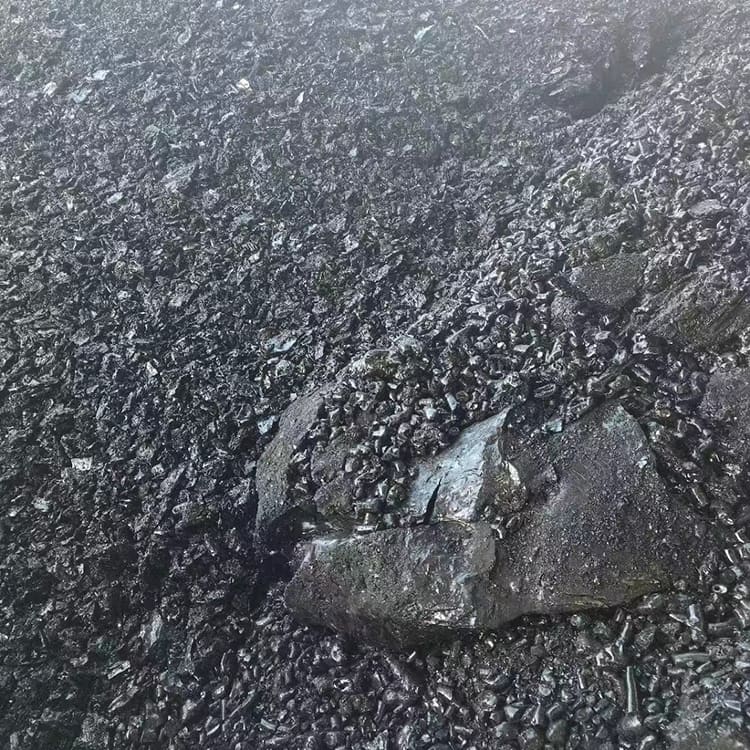
So, What is Asphalt Then? The Final Pavement Product
This brings us to the most commonly misused term: asphalt. In the United States and many other parts of the world, asphalt is not the binder itself; it is the finished composite material used to pave roads. Simply put, asphalt is a mixture of bitumen and aggregates. To make asphalt, hot bitumen (acting as the glue) is mixed with a carefully proportioned blend of aggregates like crushed stone, sand, and gravel at a plant. This hot mixture, properly called asphalt concrete, is then transported to the construction site, spread onto the roadbed, and compacted with heavy rollers to create a smooth, durable road surface.
So, when you see a paving crew laying down that hot, black material, they are laying asphalt. The bitumen is just one component of it—typically about 5% by weight, but it's the most critical one. It's the asphalt cement that binds the 95% of stone aggregate together. To use an analogy, if you were baking a cake, the bitumen would be the eggs and oil that hold the flour and sugar (aggregate) together. You eat the cake (asphalt), not a bowl of raw eggs (bitumen). Understanding this distinction—that bitumen is an ingredient in asphalt—is the most important step to clearing up the confusion.
Bitumen vs. Tar: The Head-to-Head Comparison
To truly grasp the key differences between bitumen and tar, it's helpful to see their properties side-by-side. While they might both be black and sticky, they are worlds apart in their chemistry and performance.
| Feature | Bitumen | Tar |
|---|---|---|
| Origin | A residue from the fractional distillation of crude oil (petroleum). | A by-product of the destructive distillation of organic materials such as coal, wood, or peat. |
| Chemical Makeup | Primarily aliphatic hydrocarbons. | Primarily aromatic hydrocarbons, including PAHs. Has a higher carbon content. |
| Solubility | Soluble in carbon disulfide and carbon tetrachloride. | Soluble in toluene. |
| Color | Tends to be a dark brown to black color. | Typically a matte black color. |
| Temperature Sensitivity | Modern bitumen (especially modified grades) is engineered for good performance across a range of temperatures. | More sensitive to temperature changes; can become brittle in cold and soft in heat. |
| Health & Safety | Generally considered safer to handle. | Contains carcinogens (PAHs), leading to significant health and environmental concerns. |
| Primary Use Today | The primary binder in asphalt for road construction, roofing, and waterproofing. | Use in roads is now rare. Used for specialized coatings, sealants, and chemical production. |
Why is Bitumen Preferred Over Tar for Modern Road Construction?
For most of the 20th century, both tar and bitumen were used in road construction. However, over the past several decades, bitumen has become the undisputed material of choice, and the use of tar as a primary road binder has been almost completely phased out in many parts of the world. There are two overarching reasons for this shift: performance and safety.
From a performance standpoint, bitumen offers better durability and aging characteristics. The properties of bitumen can be precisely engineered by refiners to meet specific climatic and traffic demands. It is more resistant to weathering from sun and water and maintains its flexibility over a wider temperature range compared to bitumen. Tar, on the other hand, is more susceptible to temperature fluctuations. It tends to soften excessively in the summer heat and become brittle and crack in the winter cold.
The second and more decisive factor is health and environmental safety. Coal tar contains high levels of PAHs, which are classified as carcinogenic. The fumes released during the heating and application of tar posed health risks to workers, and the potential for these chemicals to leach into soil and groundwater raised significant environmental concerns. Due to this toxicity, regulations in many countries have banned or severely restricted the use of tar for road construction, making bitumen the safer and more responsible choice.
What is Coal Tar and How is it Different from Bitumen?
As a supplier of coal tar products, it's important for me to be very specific here. Coal tar is the specific type of tar obtained from the destructive distillation of coal. It is a byproduct of converting coal into coke, which is essential for steel production. While its use as a primary binder for new roads has ceased, coal tar remains a valuable industrial material with important niche applications. It is chemically distinct from petroleum-derived bitumen.
Modern uses of coal tar leverage its unique chemical properties. It is processed into materials like coal tar pitch and creosote oil. These are used in applications where high resistance to chemicals and water is needed. You will find coal tar-based products used as:
- Sealants: High-performance sealcoats for airport tarmacs and parking lots that need to resist jet fuel and oil spills.
- Coatings: Protective coatings for industrial pipes and tanks.
- Specialty Binders: Coal tar pitch is a key component in the production of carbon electrodes for the aluminum and steel industries.
- Chemical Production: It serves as a raw material for producing chemicals like naphthalene and anthracene.
So, while you won't see new roads being paved with coal tar, it's a critical feedstock for other vital industries. My company specializes in producing high-grade Coal tar pitch flakes for exactly these types of demanding industrial applications.
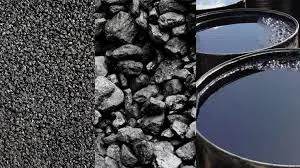
Are Bitumen and Asphalt the Same Thing? Clearing Up the Confusion
Let's address this common point of confusion directly: No, bitumen and asphalt are not the same. This is the single most important takeaway. Bitumen is a liquid binder. Asphalt is the composite material created when bitumen is mixed with stone aggregates.
This confusion is partly due to regional language differences. In British English, the word "bitumen" is used correctly to describe the binder. In American English, the binder is often called "asphalt cement" or "asphalt binder," while the final road pavement is called "asphalt concrete" or just "asphalt." So, in the US, someone might say "we're paving with asphalt," which is correct, but they might also refer to the liquid binder as "asphalt," which can be confusing. Regardless of the terminology, the principle remains the same: one is a single substance (the glue), and the other is a composite mixture (the final product). When you purchase material to pave a road, you are purchasing asphalt. The bitumen is the essential, active ingredient within that mix.
Key Applications of Bitumen Beyond Road Construction
While bitumen is most famous for its role in road construction, its excellent adhesive and waterproofing capabilities make it a versatile material in many other areas of construction and industry. Its ability to seal out water is second to none, making it a go-to choice for protecting structures from the elements.
Some of the key non-road applications include:
- Roofing: Bitumen is the primary waterproofing agent in roofing felt and shingles. It's used to saturate felt paper or fiberglass mats to create a durable, water-resistant barrier.
- Waterproofing: It is used as a coating or membrane for basements, foundations, bridges, and tunnels to prevent water ingress. Bitumen emulsion and other liquid-applied forms are common for these tasks.
- Pipe Coatings: Bitumen-based enamels are used to protect steel pipelines from corrosion, both underground and underwater.
- Soundproofing: Its dense, viscous nature makes it an effective material for sound dampening in automotive panels and building materials.
- Adhesives and Sealants: Pure bitumen or modified forms are used to create a wide range of industrial sealants and mastics.
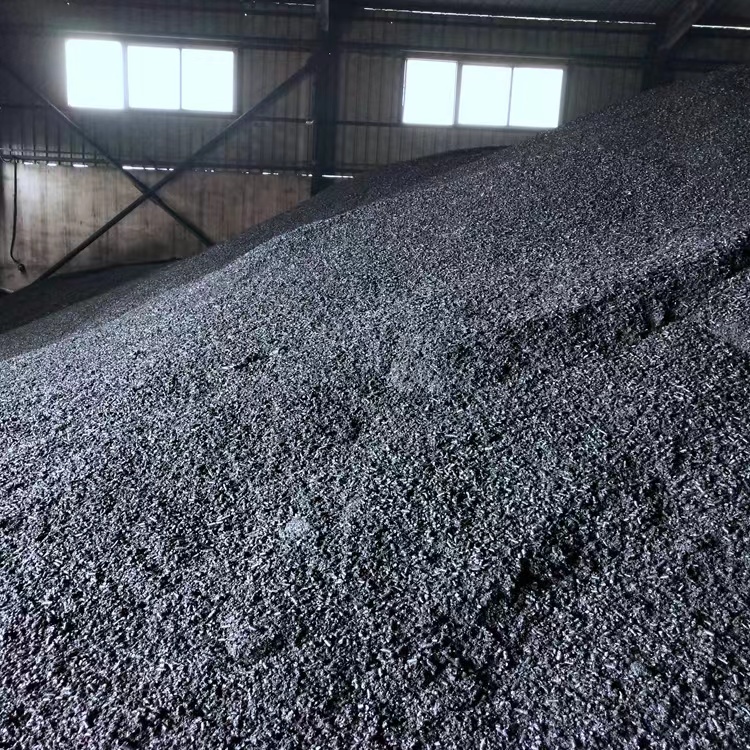
How is the Quality of Bitumen and Coal Tar Products Ensured?
For a procurement officer like Mark, ensuring the quality and consistency of materials is a top priority. A bad batch of bitumen or coal tar can compromise an entire project, leading to costly failures. As a High Quality Coal Tar Pitch Factory and Supplier, my reputation rests on the quality of my output. The quality of these bituminous materials is controlled through a series of standardized laboratory tests.
For bitumen, key quality indicators include:
- Penetration Grade: This tests the hardness or consistency of the bitumen by measuring how far a standard needle penetrates a sample under specific conditions.
- Viscosity: This measures the fluid properties of the bitumen at high temperatures, indicating how workable it will be during the mixing and paving process.
- Softening Point: This determines the temperature at which bitumen starts to soften, which is crucial for performance in hot climates.
- Ductility: This measures the ability of bitumen to stretch without breaking, indicating its flexibility and resistance to cracking.
Similarly, coal tar products are tested for properties like specific gravity, viscosity, and chemical composition to ensure they meet the strict specifications required for their industrial applications. By adhering to international standards like ISO, a reliable supplier provides certificates of analysis with each shipment, guaranteeing that the material meets the required performance criteria.
Choosing the Right Material: Bitumen for Roads, Tar for Specialties
Understanding the difference between bitumen, tar, and asphalt is fundamental to choosing the right material for any project. The modern world is paved with asphalt, a durable and reliable composite made possible by its key ingredient: petroleum-derived bitumen. Its performance, safety profile, and cost-effectiveness have made it the global standard for used for road construction. For even greater performance, producers have developed products like Modified asphalt, which enhance the properties of bitumen for extreme conditions.
Tar, and specifically coal tar, has transitioned from a road-building material to a specialized product for industrial applications that demand its unique chemical resistance. When you need to seal a surface against aggressive chemicals or create high-strength carbon binders, coal tar is still an invaluable resource. The key is to recognize that these are not interchangeable materials. Each has a distinct origin, chemical makeup, and purpose. Knowing this difference is the mark of a true industry professional.
Key Takeaways to Remember
- Bitumen is a sticky, black liquid binder derived from the distillation of crude oil.
- Tar is a similar-looking liquid binder created by the destructive distillation of organic materials like coal or wood.
- Asphalt is the final composite product used for paving roads. It is made by mixing bitumen (the glue) with aggregates like stone and sand.
- Bitumen is the preferred material for modern road construction due to its superior performance, durability, and safety profile compared to tar.
- Coal Tar is no longer used for paving but remains a critical material for specialized industrial applications like high-resistance sealants and carbon electrode production.
Post time: 11-05-2025