

In the complex world of oil refining, the process is designed to squeeze every last drop of value from a barrel of crude oil. While gasoline and diesel fuel grab the headlines, the journey doesn't end there. At the very bottom of the barrel lies a dense, carbon-rich byproduct known as petroleum coke, or petcoke. But this material is not a single, uniform substance. It is a family of products with vastly different characteristics and uses, ranging from a potent industrial fuel to a highly engineered material essential for modern metallurgy. Understanding the different types of petroleum coke is key to appreciating its role in the global economy.
The Starting Point: Green Petroleum Coke
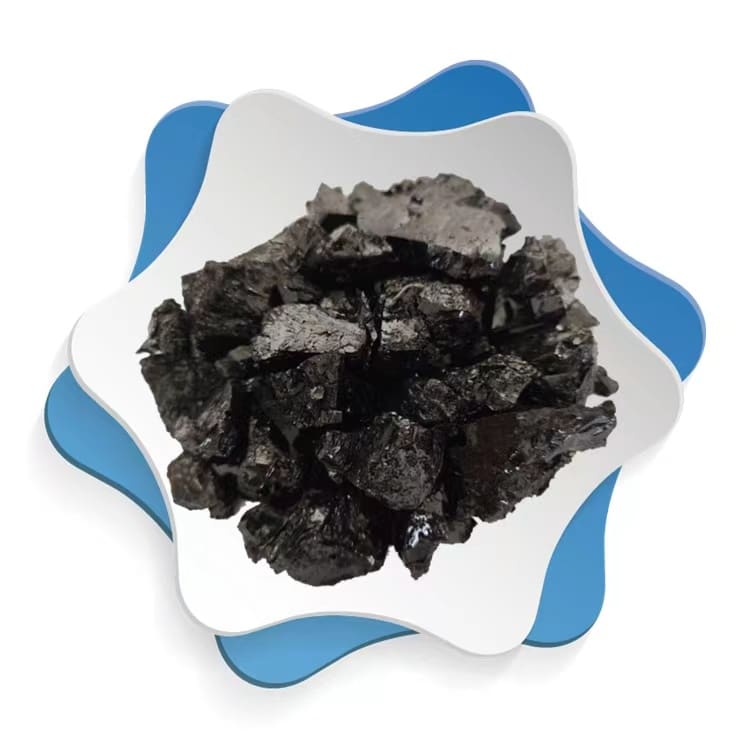
The journey for all petroleum coke begins in a coker unit at a refinery. Here, the heaviest, most residual oil fractions undergo intense coking processes like delayed coking. The solid material that results is called green petroleum coke, or sometimes raw coke. The term "green" doesn't refer to its color but to the fact that it is unprocessed. It still contains a significant amount of residual hydrocarbon volatile matter and moisture, which must be removed before it can be used in high-performance applications. This green coke is the primary feedstock for all other grades of petroleum coke.
Fuel Grade Coke: A Potent Energy Source
In its raw, "green" state, petroleum coke is often used as fuel grade coke. Its primary advantage is its high calorific value; it contains more energy per pound than most types of coal. This makes it an inexpensive and powerful fuel source for industrial applications, particularly in cement kilns and large power plants. Each year, millions of metric tons of this coke are used for power generation.
However, the use of fuel grade petcoke is not without controversy. The content of petcoke, depending on the source crude, can be high in sulfur and metals. The combustion of this raw coke can lead to significant emissions of sulfur dioxide and other pollutants, which contributes to acid rain and air quality issues. The environmental impact means that its use in a boiler or furnace is often tightly regulated, and plants must invest in expensive scrubber technology to capture harmful emissions.
The Transformation: Why We Calcine Petroleum Coke
For most industrial applications beyond fuel, green coke is simply too impure. To create a higher-value product, the coke must be purified through a process called calcining. To calcine the coke, it is heated to very high temperatures—often exceeding 1300°C (2400°F)—in a large rotary kiln. This intense heat drives off the remaining volatile matter and moisture, densifies the material, and significantly increases its carbon content and electrical conductivity. The resulting product is calcined petroleum coke (CPC), a hard, stable, and highly pure form of carbon. This process is the critical step that upgrades a low-value byproduct into a high-performance industrial material.
Sponge Coke: The Anode Workhorse
Once the petroleum coke is calcined, its physical structure becomes important. The most common form is sponge coke. As its name suggests, it has a porous, honeycomb-like appearance. This structure is a result of the coking processes used to create it. Sponge coke is the workhorse of the aluminum production industry. Calcined petroleum coke is used almost exclusively as the primary raw material to manufacture large carbon anodes. These massive anode blocks are used to conduct the huge electrical current needed to smelt alumina into pure aluminum. For every ton of aluminum made, nearly half a ton of carbon anode is consumed, making sponge coke an indispensable commodity.
Needle Coke: The Premium Graphite Precursor
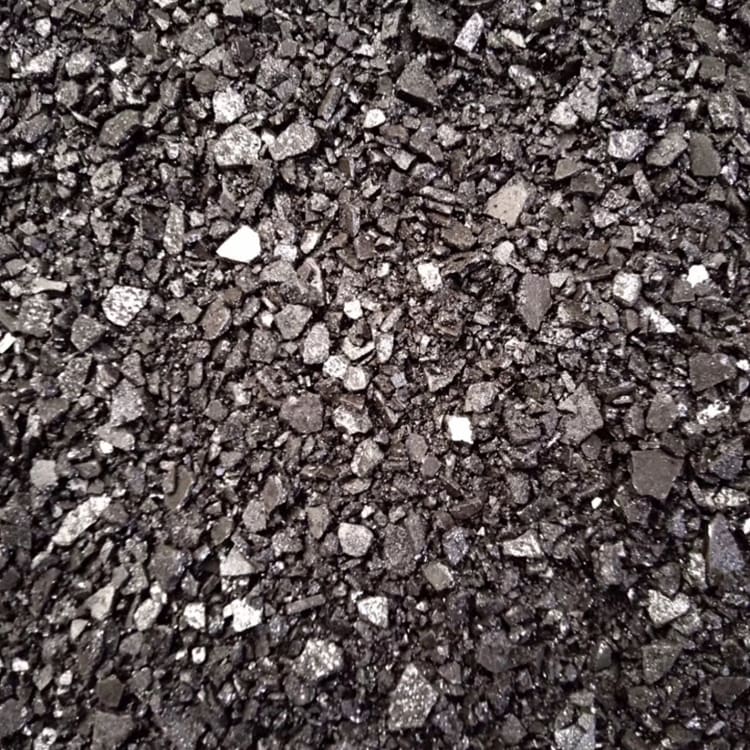
A much rarer and more valuable type of coke is needle coke. This premium grade is named for its unique, highly crystalline, needle-like structure, which forms only when specific, highly aromatic feedstocks are used in the coking of heavy oils. This structure gives needle coke superior properties, including very low electrical resistance and high resistance to thermal shock.
Because of these characteristics, needle coke is the essential raw material for manufacturing high-performance graphite electrodes. These massive electrodes are used in electric arc furnace operations within the steel industry to melt scrap metal. As the world moves towards more recycling-based steel production, the demand for these high-quality electrodes, and therefore for needle coke, continues to grow. This premium petroleum coke is a critical component in making the steel that builds our world. In some cases, coke is used to make synthetic graphite for other high-tech applications.
Shot Coke: The Unruly Byproduct
The third main type of petroleum coke is shot coke. This type of coke is an outlier, formed from very heavy, low-quality residual oil feedstocks. It consists of small, hard, spherical pellets that resemble buckshot, hence the name. Shot coke is generally considered the lowest quality of petcoke. Its physical form makes it difficult to handle and crush, and it doesn't calcine into a useful structure for creating anodes or electrodes. While some innovative uses are being explored, shot coke has very limited industrial applications and is often seen as a problematic byproduct by the refinery that produces it.
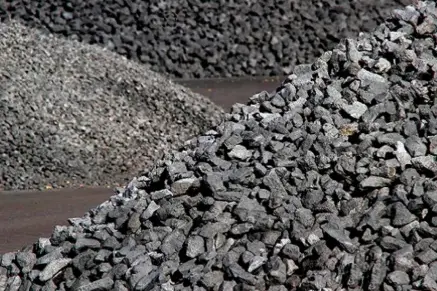
From a simple fuel source to the precursor for advanced graphite materials, petroleum coke is far more complex than it first appears. The journey from the bottom of a crude oil barrel through the refining process results in a diverse range of coke products. The decision to use it as a raw fuel grade petcoke or to calcine it into a valuable material like sponge coke or needle coke depends entirely on its initial chemistry and the needs of a world built on aluminum and steel.
- Petroleum coke (petcoke) is a solid carbon-rich byproduct of the oil refining process, and there are several different types of petroleum coke.
- Green coke is the raw, unprocessed coke that comes directly from the refinery's coker and contains volatile impurities.
- Fuel grade coke is essentially green coke used for its high energy content in power plants and cement kilns, but it can produce significant emissions.
- To create higher-value products, green coke must be calcined—heated to high temperatures to remove impurities and create calcined petroleum coke (CPC).
- Sponge coke is the most common type of calcined coke, used primarily to make carbon anodes for the aluminum production industry.
- Needle coke is a premium, crystalline coke used to manufacture graphite electrodes for the steel industry.
- Shot coke is a lower-quality, pellet-like coke with limited industrial uses.
Post time: 01-14-2026